How to Build a Habit That Actually Sticks

Most new habits die within the first few weeks, not because the person lacked willpower, but because the habit was never designed to survive a busy or off day. Motivation gets you started; a good system is what keeps you going after the motivation fades. This guide walks through a practical, research-informed approach to building … Read more


How Reward Systems Help You Build Habits That Stick

Most people try to build a new habit with willpower alone, then wonder why it falls apart by week three. The habits that actually last aren’t powered by discipline — they’re powered by a reward loop your brain recognizes and wants to repeat. This guide breaks down how reward systems work in habit formation, which … Read more

How to Build a Habit When You Have Zero Motivation

Motivation is the least reliable ingredient in habit building. It spikes on January 1st and evaporates by January 10th, which is exactly why so many good intentions die within two weeks. If you’re waiting to “feel like it” before you start exercising, journaling, or reading, you’ll be waiting a long time. The good news: you … Read more

How to Build New Year Habits That Actually Last

Every January, gyms fill up and journals get new first pages — and by February, most of that energy has quietly evaporated. The problem usually isn’t willpower. It’s that most resolutions are designed to fail: they’re too big, too vague, and too dependent on motivation that was only ever going to last a few weeks. … Read more

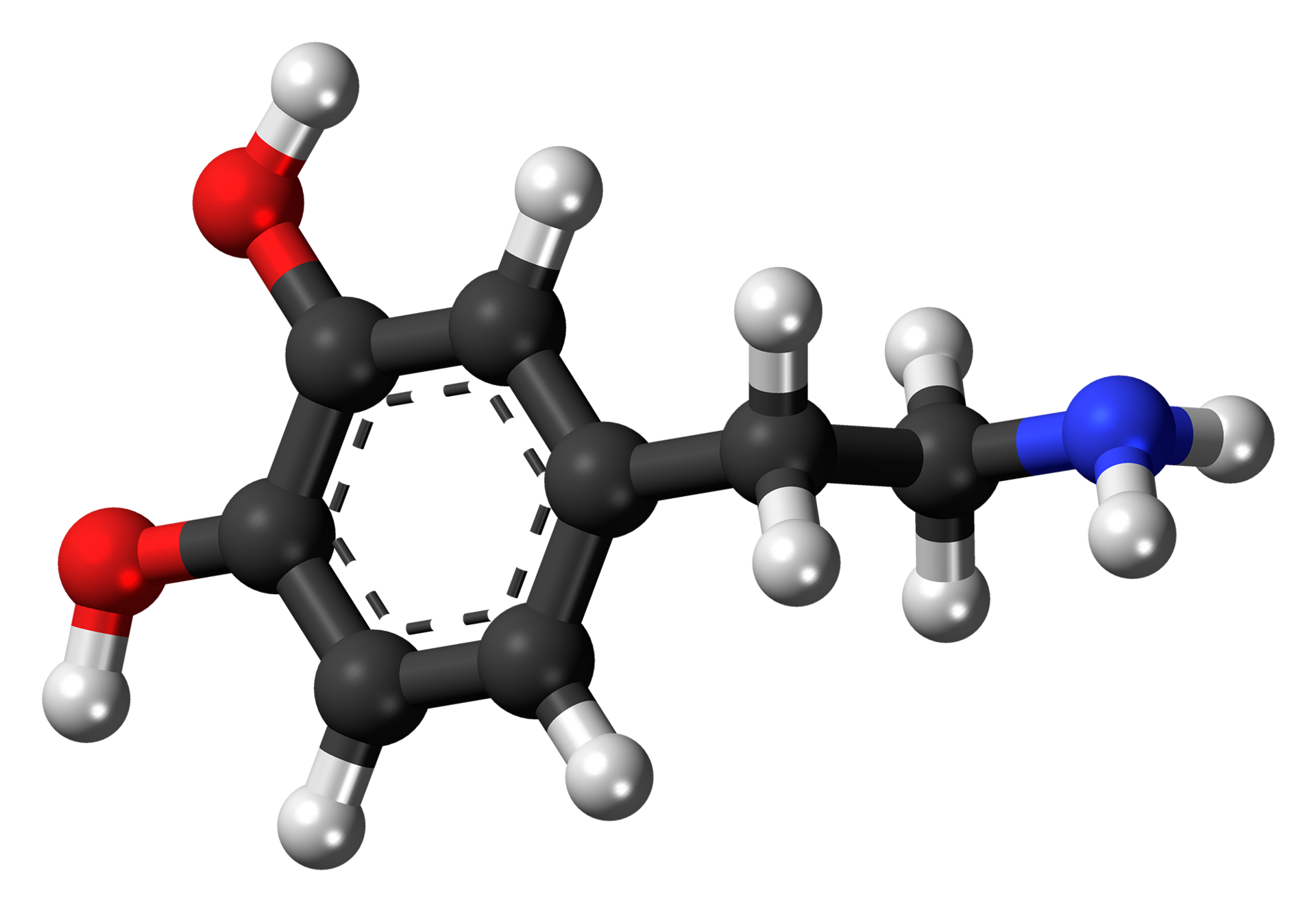
How Dopamine Drives Your Habits (and How to Use It)

Most people think of dopamine as a pleasure chemical: do something good, get a hit of dopamine as a reward. That model is close to backwards. Dopamine spikes mostly happen before the reward, in response to the cues that predict it – which is exactly why habits feel automatic and why certain triggers (a notification, … Read more

How to Set Habit Goals You Will Actually Achieve

Most habit goals die within a few weeks, not because you lack willpower, but because they were set up wrong from the start. A goal like “exercise more” or “read daily” gives your brain nothing concrete to grab onto — no trigger, no location, no obvious next action. This guide walks through a simple, research-backed … Read more

Self-Compassion After a Setback: What the Research Shows

You skip the gym for a week, eat the whole bag of chips, or forget your habit tracker for three days straight — and the inner voice kicks in: you always do this, you have no discipline, why bother starting again. That harsh self-talk feels like accountability, but a growing body of behavior-change research says … Read more

How to Stop Mindless Snacking With a Simple Habit Swap

You open the pantry, grab a handful of something, and you’re three chips in before you even remember standing up. Mindless snacking rarely happens because you’re actually hungry — it happens because a cue (boredom, stress, a 3pm slump, walking past the kitchen) has been paired with a snack for so long that your brain … Read more

How to Identify Bad Habit Triggers (5 Types + Examples)

You don’t slip into a bad habit out of nowhere. Something sets it off — a time of day, a feeling, a place, a person, or whatever you just finished doing. That something is a trigger (also called a cue), and most people never actually see it, because by the time they notice the habit, … Read more

How to Make Exercise a Daily Habit (Even If You Hate It)

If the word “workout” makes you want to close the laptop, you’re not broken and you’re not lazy — you just haven’t built the habit loop that makes exercise automatic instead of a daily negotiation with yourself. This guide skips the motivational pep talk and gives you the actual mechanics: how habits form, why tiny … Read more

Implementation Intentions: The Simple “If-Then” Formula That Makes Goals Stick

Implementation intentions are the reason some people follow through and others keep restarting the same goal every Monday. If you set intentions but rarely act on them, the problem usually isn’t willpower or wanting it enough. It’s that you never decided the exact moment your good intention becomes an action. Implementation intentions fix that by … Read more

Why Habits Fail in the First Two Weeks (and How to Fix It)

You start strong. You wake up early, hit the gym, open the journal. By day ten, the alarm feels cruel and the notebook stays shut. If that sounds familiar, you’re not weak-willed — you’re running into the most predictable obstacle in behavioral science: the early-habit valley, the stretch between starting something new and the point … Read more

Habit Stacking for Beginners: Build Habits Without Overwhelm

Looking for the complete, updated guide? Read Habit Stacking Examples: 20+ Ways to Build Better Routines. If you’ve ever tried to overhaul your entire routine at once — meditate, exercise, journal, eat better, drink more water — and crashed hard by day three, you’re not alone. The problem isn’t willpower. It’s the approach. Habit stacking … Read more

The Habit Loop Explained: Cue, Routine, Reward

Every habit you have—morning coffee, evening scroll, gym visit or lack of one—runs on the same three-part engine: a cue that fires, a routine you execute, and a reward your brain registers. Understand that engine and you can rewire it. Popularized by Charles Duhigg in The Power of Habit (2012) and later refined by James … Read more

How to Get Back on Track After Breaking a Habit Streak

You were on a roll — ten days, twenty days, maybe longer — and then life happened. A skipped workout, a missed journaling session, or a late-night snack derailed your streak. The number resets to zero and suddenly the whole effort feels wasted. That shame spiral is real, and it is one of the biggest … Read more

Habit Friction Reduction: How to Make Change Effortless

Friction reduction is the practice of identifying and removing the small obstacles that stand between you and the behavior you actually want to do. Most people try to overcome friction with willpower and motivation, and both fail predictably under stress, fatigue, or a disrupted schedule. The smarter approach is habit friction reduction: engineering the obstacle … Read more

What Is a Micro Habit and How to Start One Today

Most people fail at building new habits not because they lack motivation, but because they start too big. A micro habit flips that approach — instead of overhauling your routine overnight, you build change through one tiny, almost effortless action at a time. In this guide you’ll learn exactly what a micro habit is, the … Read more

How to Break a Bad Habit in 5 Practical Steps

Bad habits rarely feel like choices — they feel automatic. Whether it’s reaching for your phone the moment you’re bored, stress-snacking in the late afternoon, or procrastinating on the things that matter most, these patterns run largely on autopilot. The good news is that the same brain machinery that locked the habit in can be … Read more

How Long Does It Really Take to Form a Habit?

You’ve probably heard it dozens of times: stick with something for 21 days and it becomes a habit. It’s on motivational posters, in self-help books, and repeated by coaches everywhere. There’s just one problem — it’s not true. The 21-day rule was never based on habit science at all, and believing it sets millions of … Read more

Item added to cart.
0 items - $0.00