Most people think of dopamine as a pleasure chemical: do something good, get a hit of dopamine as a reward. That model is close to backwards. Dopamine spikes mostly happen before the reward, in response to the cues that predict it – which is exactly why habits feel automatic and why certain triggers (a notification, a vending machine, an open browser tab) can pull you into a behavior before you’ve consciously decided to do it.
Table of Contents
Once you understand what dopamine is actually doing, you can use it on purpose. This guide breaks down the real neuroscience of dopamine and habits in plain language, then walks through concrete, practical ways to use that system to build habits you want and loosen the grip of ones you don’t.
Quick Answer
Dopamine drives habits by creating anticipation, not satisfaction. It spikes when you encounter a cue that predicts a reward – not when you actually receive the reward – which is what pulls you toward a behavior and, with repetition, makes it feel automatic. To use this to your advantage, attach clear cues to the habits you want, make the payoff small and immediate, and reduce exposure to cues tied to habits you’re trying to drop.
Wanting vs. Liking: What Dopamine Actually Does
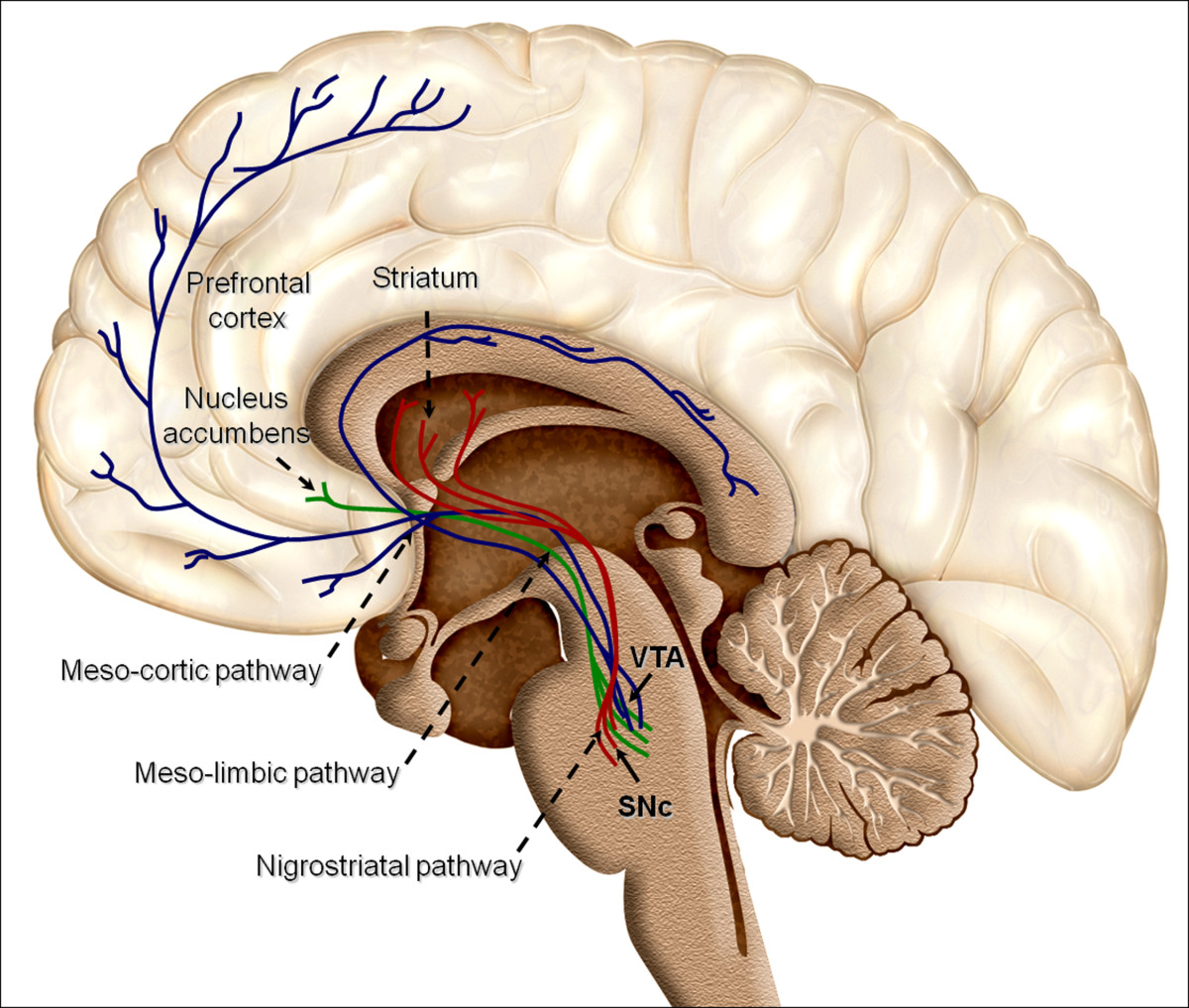
Neuroscientist Wolfram Schultz’s research on reward prediction error showed that dopamine neurons don’t fire most strongly for rewards themselves – they fire for the gap between what you expected and what you got. An unexpected reward produces a big dopamine spike; a fully predicted reward produces almost none. Over time, as a cue reliably predicts a reward, the dopamine spike shifts from the reward to the cue itself. That’s the mechanism behind cravings: the ping of a phone, the smell of coffee, or the sight of a gym bag can trigger a dopamine surge on its own, before anything rewarding has actually happened.
Separately, psychologist Kent Berridge’s work on ‘wanting’ versus ‘liking’ found that dopamine mainly drives wanting (motivation and pursuit), while a different system – largely opioid-based – governs liking (the actual pleasure of consuming something). That’s why you can feel a strong pull to check social media or eat another handful of chips (high wanting) even when the activity itself isn’t especially enjoyable in the moment (low liking). Dopamine is the engine that gets you moving toward a reward; it isn’t the reward itself.
This wanting/liking split also explains why habits become semi-automatic. Repetition transfers control from the more deliberate, goal-directed parts of the brain to habit circuitry in the dorsolateral striatum, so the cue-to-action link fires with less and less conscious input each time. The behavior stops feeling like a choice and starts feeling like something that just happens.
How to Use Dopamine to Build Habits That Stick
Attach a specific, unmissable cue to the habit. Dopamine responds to predictors, so a vague intention like ‘I’ll exercise more’ gives it nothing to latch onto. Tie the new habit to a fixed time, location, or existing routine (for example, ‘after I pour my morning coffee, I put on my running shoes’) so the cue reliably precedes the action every time.
Keep the reward close to the behavior. Dopamine reinforcement is strongest when the payoff – even a small one, like checking off a tracker, a two-minute win, or a moment of visible progress – happens right after the action, not days or weeks later. If the only reward for going to the gym is a result that shows up in two months, there’s nothing for your dopamine system to reinforce today.
Make the first step small enough that starting doesn’t require willpower. Motivation tends to show up after you start moving, not before, because the cue-triggered dopamine spike happens on approach to the behavior. Lowering the barrier to the first two minutes gets that spike working for you instead of waiting for it to arrive on its own.
Redesign your environment to control which cues you’re exposed to. Since dopamine responds to cues automatically and largely below conscious awareness, willpower is a weak tool against a strong cue (a phone on the desk, snacks in sight). It’s far more effective to remove or hide the cues for habits you’re trying to break, and to make the cues for habits you want more visible and convenient.
Tips and Common Mistakes
Don’t wait to ‘feel motivated’ before starting. Because dopamine fires on cues and action, not the other way around, the fix for low motivation is usually to act on the cue anyway – motivation frequently follows the first step rather than preceding it.
Don’t put the reward too far from the action. A habit tracker, a checkmark, or a short mental acknowledgment of progress works better as reinforcement than a reward you’ll only get weeks later, because dopamine reinforcement weakens the more delayed and uncertain the payoff feels.
Don’t confuse craving a behavior with actually enjoying it. If you notice you ‘want’ to check your phone constantly but don’t feel particularly satisfied afterward, that’s the wanting/liking gap in action – a useful signal that the habit is running on cue-driven autopilot rather than genuine reward.
Be skeptical of a ‘dopamine detox’ as a literal reset. You can’t meaningfully deplete or reset dopamine over a day of abstinence, but deliberately reducing exposure to high-stimulation cues (constant notifications, endless scrolling) for a stretch of time can make everyday cues and slower rewards feel more satisfying by comparison – it’s the removal of competing cues that helps, not a biochemical ‘reset.’
Explore more: more habit-building guides.
Dopamine and habit formation FAQs
Is dopamine the same thing as pleasure?
Not exactly. Dopamine is mainly tied to ‘wanting’ – the motivation and drive to pursue a reward – while the actual pleasure of experiencing it (‘liking’) is governed more by a separate opioid-based system in the brain. You can strongly want something without liking it much once you get it.
How long does it take to build a new habit using this approach?
It varies a lot by person and by how complex the habit is – simple habits can start to feel automatic within a few weeks, while more complex ones can take a few months of consistent repetition. What matters more than any fixed timeline is how reliably the cue and the action are paired each time.
Can I use dopamine to break a bad habit, like phone scrolling?
Yes – the most effective lever is usually reducing exposure to the cue itself (moving the app off your home screen, turning off notifications, leaving your phone in another room) rather than relying on willpower to resist the urge once the cue has already triggered a dopamine spike.
What is a ‘dopamine detox’ and does it actually work?
It’s a popular term for temporarily cutting out high-stimulation activities like social media, sugar, or gaming. There’s no evidence it ‘resets’ dopamine biologically, but removing those competing cues for a while can make lower-stimulation activities feel more rewarding by comparison, which is where any real benefit comes from.
Build Better Habits With ZenDuel
Track your habits and mood, stay accountable, and build a calmer routine — get the ZenDuel app. Get ZenDuel.
Photo: Jynto (talk) / CC0, via Wikimedia Commons.
