How to Track Mood, Sleep, Food, and Energy in One Log

Most people track mood on its own, which is why it rarely tells them anything useful. A number from 1 to 10 scribbled in isolation doesn’t explain why yesterday felt heavy and today feels lighter. Mood doesn’t move by itself — it’s pulled around by how you slept, what you ate, and how much energy … Read more
Weekly Mood Check-In Template: A Simpler Alternative

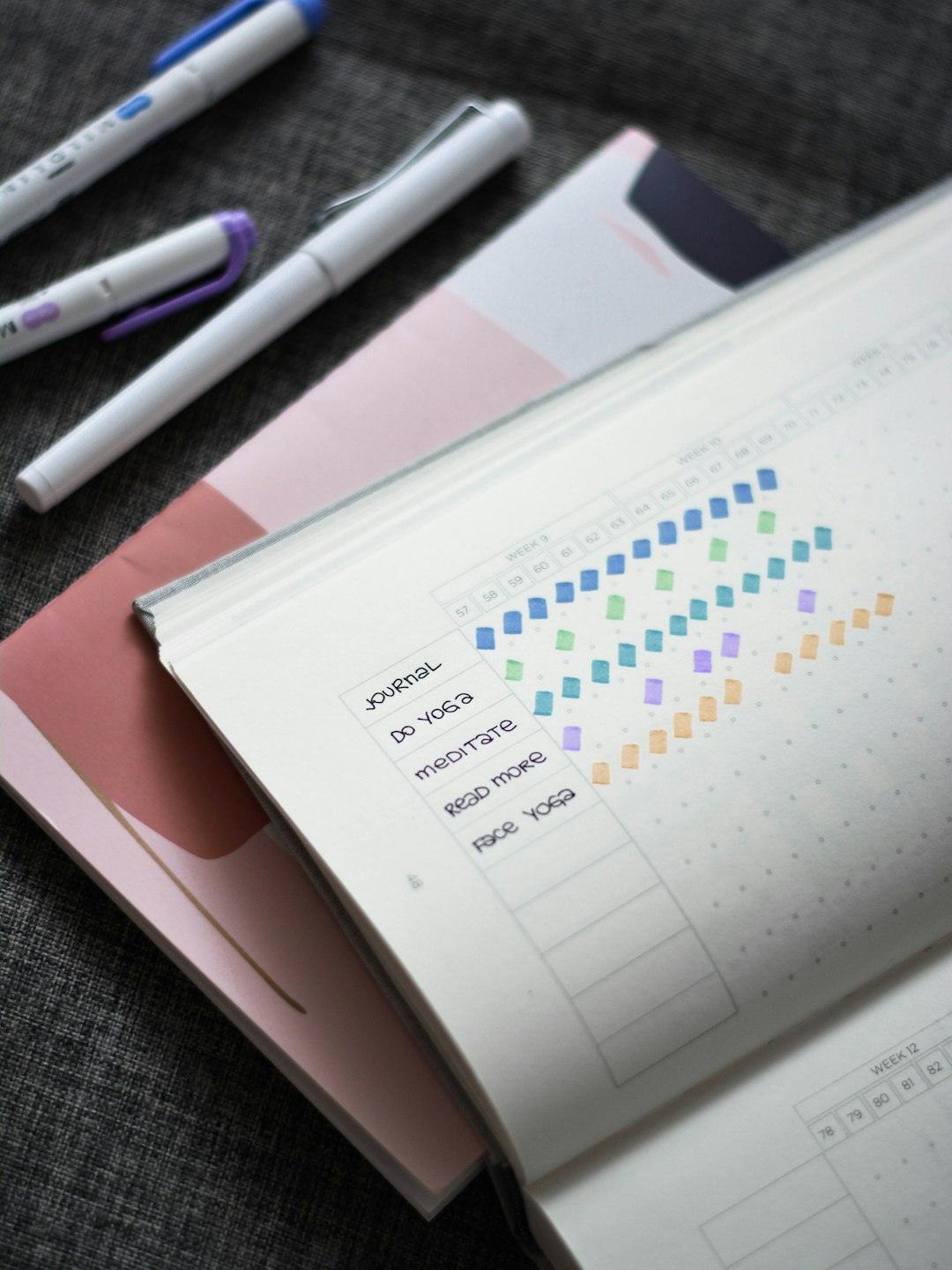
Daily mood trackers are great in theory, but most people abandon them within a couple of weeks because filling in a grid every single day starts to feel like homework. If that’s happened to you, the problem usually isn’t you — it’s the format. A weekly mood check-in keeps the parts of mood tracking that … Read more

How to Keep a Mood Tracking Streak Going Without Burnout

You started mood tracking with good intentions, and for a while the streak counter felt like a little trophy. Then you missed a day, the number reset to zero, and suddenly the whole habit felt pointless. If that cycle sounds familiar, you’re not lacking willpower — you’re running into a design flaw in how most … Read more

How to Turn Mood Tracking Data Into Real Routine Changes

Most people who try mood tracking quit within a few weeks, not because the logging is hard, but because nothing changes afterward. They end up with a phone full of mood ratings and no clearer idea of what to actually do differently. The tracking itself doesn’t improve your mental health — what you do with … Read more

How to Track Mood and Exercise to See What Actually Helps

Most people can feel that exercise changes their mood, but they can’t say which kind, how much, or when it works best — a walk on a stressful Tuesday feels different from a gym session on a calm Saturday, and without a record it’s easy to lose track of the pattern. Tracking mood and exercise … Read more

How to Track Mood Changes From Medication Side Effects

New or adjusted medications can shift your mood in ways that are easy to dismiss as “just a bad week” — until you look back and notice the dip, the irritability, or the flatness started around the time your dose changed. Timing alone can’t prove a medication is responsible, since plenty of other things can … Read more

How to Track Mood and Caffeine or Alcohol Intake

If your energy crashes some afternoons, your anxiety spikes some evenings, or you wake up some mornings feeling foggy and irritable, caffeine and alcohol are often quietly involved. The problem is that the connection isn’t always obvious in the moment — a second coffee at 2pm or a couple of drinks on a Tuesday rarely … Read more

How to Track Mood and Screen Time to Spot the Connection

Most people suspect their phone affects how they feel, but “suspect” isn’t the same as “know.” The only way to find out is to put the two things side by side: how much you used your screen, and how you actually felt that day. This guide walks through exactly how to log both, using the … Read more

How to Track Mood and Weather to See If They’re Linked

You feel foggy on gray days and sharp on sunny ones, so you assume the weather is running your mood. Maybe it is, but memory is a terrible research tool — we tend to notice the one rainy, miserable Tuesday and forget the ten rainy Tuesdays that felt totally fine. The only way to get … Read more

Mood Tracker for ADHD: Why It’s Hard and How to Stick With It

You’ve started a mood journal at least once. Maybe a few times. It worked for three days, then the app went untouched, the notebook got buried under other notebooks, and you felt vaguely guilty every time you remembered it existed. If that’s your pattern, the problem isn’t you — it’s that most mood trackers are … Read more

Bipolar Mood Chart & Scale: Free Printable Template

If you or someone you love lives with bipolar disorder, a daily mood chart is one of the simplest tools for turning a foggy sense of “things have been rough lately” into something concrete you can actually act on. Instead of trying to remember three weeks back at your next appointment, you have a record … Read more

Mood Tracker for Couples: A Simple Weekly Check-In Template

Most couples don’t drift apart over one big fight. It happens through small, unspoken things: a rough week at work, a mood you didn’t explain, a need that never got voiced. A mood tracker for couples gives you a low-pressure way to surface those things before they pile up. This guide gives you a simple … Read more

Johns Hopkins Cracks Habit Speed, THC Erases PTSD Nightmares, Loneliness Redefines Isolation, Suicide Prevention Day Returns: 14 Essential Mental Wellness Stories (September 6, 2026)

This week in mental wellness, researchers rewrote the timeline for how fast habits actually form, a landmark drug trial wiped out nightmares for PTSD patients, and a new study drew a sharper line between loneliness and simple isolation. Add in a shifting meditation-practice landscape, a wave of habit-tracker innovation, and the return of World Suicide … Read more

How Many Mood Tracker Colors Do You Actually Need?

Open any mood tracker app or blank bullet journal grid and the first real decision isn’t what to track — it’s how many colors to use. Too few and every day looks the same shade of “fine.” Too many and you spend more time deciding which of twelve near-identical pastels matches your afternoon than actually … Read more

How to Use Mood Tracking to Improve Your Mental Health

If you’ve ever left a therapy session unable to remember how you actually felt on Tuesday, you already know why mood tracking exists. Emotions shift by the hour, and memory smooths them into a vague blur — “this week was rough” — that’s too fuzzy to act on. Mood tracking fixes that by capturing how … Read more

Item added to cart.
0 items - $0.00