How to Stack Habits When You’re a Freelancer With No Routine

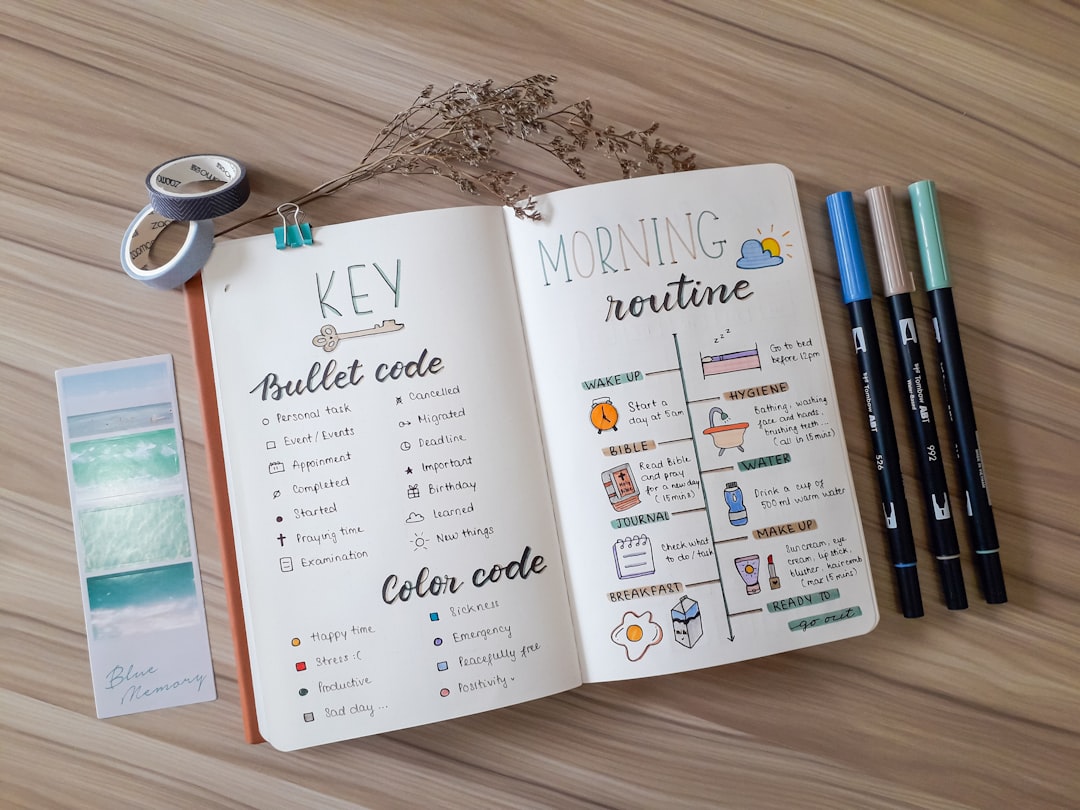
Habit stacking works great when your day has fixed landmarks: wake up at 7, commute at 8, lunch at noon. Freelancers rarely get that. Your first “work block” might start at 6am one day and 11am the next, clients ping you at random hours, and there’s no boss-shaped anchor forcing consistency. The fix isn’t to … Read more

How to Identify Bad Habit Triggers (5 Types + Examples)

You don’t slip into a bad habit out of nowhere. Something sets it off — a time of day, a feeling, a place, a person, or whatever you just finished doing. That something is a trigger (also called a cue), and most people never actually see it, because by the time they notice the habit, … Read more

Micro Habits: How to Build Tiny Habits That Actually Stick

You’ve tried the big overhaul before. New year, new gym membership, new 5 a.m. alarm, new everything. And by February it’s all gone. That’s not a willpower problem. That’s a design problem. Micro habits flip the script. Instead of starting with the outcome you want, you start with an action so small it feels almost … Read more

Temptation Bundling: Pair What You Want With What You Should Do

Temptation bundling is one of the simplest ways to make a good habit stick, and it works because it stops treating discipline as the only fuel. The idea is to link something you want to do with something you should do, so the pleasure of the first pulls you toward the second. Instead of white-knuckling … Read more

Habit Stacking Examples: 20+ Ways to Build Better Routines

If you want new routines to actually stick, habit stacking examples are the fastest way to see how it works. Habit stacking means attaching a new habit to one you already do without thinking, so the old habit becomes the reminder for the new one. No alarms, no sticky notes, no relying on motivation that … Read more

Habit Friction Reduction: How to Make Good Habits Stick

You’ve blamed yourself for the wrong thing. When a habit dies, you assume you lacked willpower, discipline, or motivation. But look closer at the moment the habit actually broke, and you’ll usually find something smaller and dumber: your running shoes were in another room, the app took four taps to open, the journal was buried … Read more

8 Critical Environment Design Tips to Build Better Habits

Environment design is the deliberate shaping of your physical and digital surroundings to make good habits easier and bad habits harder. It is the most underrated lever in behavior change because most people focus on willpower and motivation, both of which are unreliable, while ignoring the environments that quietly determine their daily choices. Behavioral science … Read more

Identity-Based Habits: Strategies to Make Change Stick

Most people set outcome goals like losing 20 pounds or running a marathon, then try to muscle through behavior change with willpower alone. Identity-based habits start with a deeper question instead: what kind of person do I want to be? This approach, popularized by James Clear in Atomic Habits and grounded in decades of behavioral … Read more

Habit Stacking: The Simple Strategy for Better Daily Routines

Looking for the complete, updated guide? Read Habit Stacking Examples: 20+ Ways to Build Better Routines. Habit stacking is a topic that more people are exploring every day. Every morning, you perform a series of actions without thinking about them. You wake up, check your phone, brush your teeth, make coffee, and start your day. … Read more

Item added to cart.
0 items - $0.00