This week’s mental wellness news is dominated by a $300 million meditation-app acquisition, a landmark sleep study tracking nearly 96,000 people, and fresh research on breaking bad habits — proof that the science of feeling better never slows down. From brain-imaging labs to state legislatures drafting AI chatbot safety rules, the mental wellness news cycle this week touched almost every corner of how we track, protect, and improve our minds. Below we round up the mindfulness research, habit science, and mental wellness trends that mattered most for the week of September 20, 2026.
Table of Contents
Mindfulness & Meditation Research
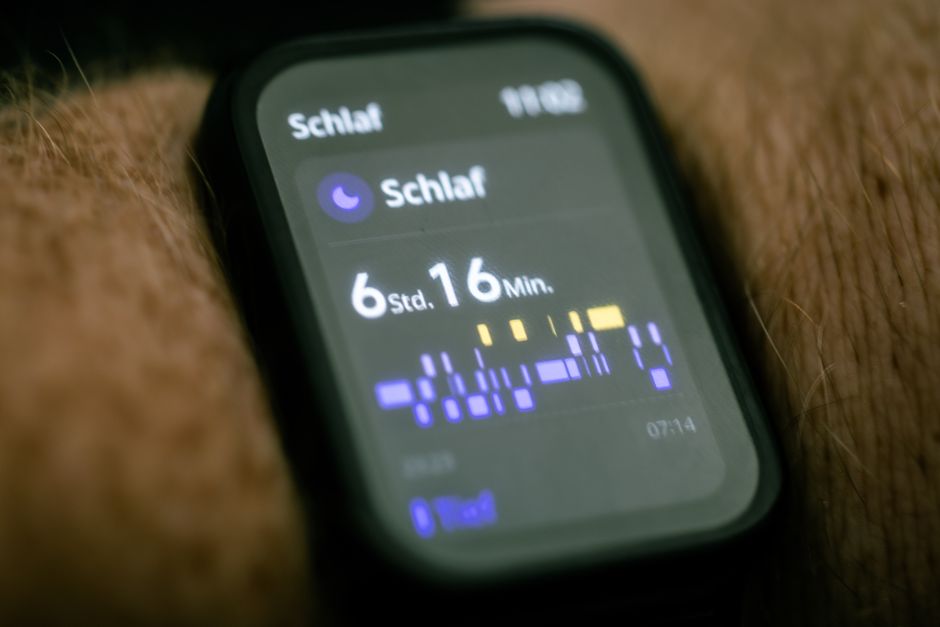
Pink noise bursts may boost the brain’s overnight cleanup
MIT researchers led by Laura Lewis found that short bursts of “pink noise” — a gentle, staticky sound like rain or a waterfall — timed precisely to a sleeper’s brain waves can strengthen the slow waves and cerebrospinal fluid pulses that clear waste products from the brain. The study, published in Science Translational Medicine, tested 14 healthy volunteers and hints at future tools for improving memory and slowing neurodegenerative disease.
Massive UK Biobank study links sleep stages to 83 diseases
A phenome-wide analysis of nearly 96,000 UK Biobank participants tracked over almost nine years found that more REM and deep sleep — not just total sleep duration — was tied to a lower risk of dozens of conditions, while sleeping less than five hours raised risk sharply. The PLOS Medicine paper is one of the largest real-world sleep-stage studies to date and reinforces why zenduel readers who track mood and energy should watch sleep quality, not just hours.
Mindfulness vs. Heartfulness: a head-to-head trial for grad students
A new randomized controlled trial compared Mindfulness-Based Stress Reduction against Heartfulness meditation among distance-learning postgraduates, a group researchers say is six times more susceptible to mental health struggles than the general adult population. Both videoconference-delivered programs improved stress, anxiety, and wellbeing, giving universities two validated options for remote student support.
Meditation retreats keep drawing crowds seeking a “reboot”
From September 18–20, Osho Dham in New Delhi hosted a three-day Silence Retreat alongside a Neo Reiki healing program, part of a broader surge in demand for structured stillness. It’s a small but telling data point in a meditation and mindfulness market now worth billions in the U.S. alone, as more people look for guided ways to unplug — the same instinct behind our own mood tracker key and symbol legend for logging how a retreat or reset actually affects your mood over time.
Habit & Behavior Science
Zapping the brain reduced real-world procrastination for six months
In a double-blind trial, researchers applied noninvasive brain stimulation to the left prefrontal cortex of 46 chronic procrastinators and found it significantly cut procrastination by making future rewards feel more valuable — with benefits lasting six months. The eLife study suggests procrastination isn’t just a willpower problem but a brain-based valuation glitch, opening the door to non-behavioral interventions.
A “personalized book plus habit app” system launched this week
The Lasting Change debuted a self-growth system that generates a custom-printed book from a short quiz about a person’s goals and routines, paired with a companion app for daily habit tracking and progress insights. The pitch: habit stacking and micro-actions matched to your actual schedule, not generic advice — a philosophy that echoes the streak-protection tactics we cover in how to use a streak freeze without losing motivation.
Local health segments are teaching habit stacking to the masses
Consumer health coverage this week leaned hard into habit stacking — attaching a new behavior to an existing routine, like flossing right after brushing — as the most sustainable way to build consistency. It’s a reminder that even simple, low-tech habit tools (including a plain undated habit tracker printable) still outperform willpower alone for most people.
Apple Watch turns biometrics into daily behavior nudges
Apple’s watchOS 27, which began rolling out September 14, introduced a daily 0–10 Readiness score and a “Health Age” metric that combine heart-rate variability, sleep, and activity data into a single recommendation: recover, pace yourself, or go for it. The redesigned Health app also folds “mental wellbeing” into its longevity dashboard alongside sleep and heart health, pushing habit formation further into the realm of passive, data-driven nudges.
Mental Wellness Trends
Sword Health to acquire Headspace in $300 million all-cash deal
AI-driven virtual care company Sword Health confirmed it will acquire Headspace’s parent company, OrangeDot, in a deal valued at up to $300 million, expected to close in the fourth quarter. The announcement unites Sword’s clinical AI platform with Headspace’s reach of roughly 100 million lives across 200 countries; the company says services will continue uninterrupted through the transition.
National Suicide Prevention Week wraps up amid rising demand for care
This year’s National Suicide Prevention Week ran September 13–19, part of Suicide Prevention Awareness Month, spotlighting the 988 Lifeline and renewed calls to reduce stigma around crisis support. Advocacy groups used the week to push for better follow-through after a crisis contact, not just awareness campaigns.
College students and young adults remain a high-risk group
Coverage tied to Suicide Prevention Month this week highlighted that mental and behavioral health challenges among college students and young adults are climbing again, with schools under pressure to expand counseling access. For parents navigating this with younger teens, our mood tracker for teens offers a low-pressure way to open the conversation before a crisis point.
States race to regulate AI chatbots after mental health harms
NPR reported this week that Google and other tech companies are heavily influencing state-level chatbot safety bills in Hawaii, Iowa, Oregon, and Washington, often modeled on industry-friendly language. The reporting comes as at least 75 lawsuits allege chatbot-related harms, including cases involving teens who died by suicide after confiding in AI systems — intensifying scrutiny of AI’s growing role in emotional support.
Sources
- MIT News — Pink noise bursts may mean more restorative sleep
- PLOS Medicine — Accelerometer-derived real-world sleep stages and risk of incident diseases
- eLife — Modulating task-outcome value to mitigate real-world procrastination via noninvasive brain stimulation
- GlobeNewswire — Sword to acquire Headspace, bringing AI Care to the world’s most trusted mental health brand
- NPR — How Google is drafting AI chatbot laws around the country
Frequently Asked Questions
What was the biggest mental wellness news story this week?
Sword Health’s confirmed $300 million all-cash acquisition of Headspace’s parent company, OrangeDot, announced September 16, 2026, was the week’s biggest mental wellness business story, combining AI-driven care with Headspace’s global meditation app reach.
What did the new sleep study find about REM and deep sleep?
A PLOS Medicine study tracking nearly 96,000 UK Biobank participants found that getting more REM and deep sleep — not just more total sleep — was linked to a lower risk of 83 different diseases, while under five hours of sleep sharply raised risk.
Can sound really improve sleep quality?
Early MIT research suggests so — timed bursts of pink noise strengthened slow brain waves and fluid flow linked to the brain’s waste-clearing process during sleep, though the work is still in early human trials with 14 volunteers.
Is procrastination just a willpower problem?
New brain-stimulation research suggests procrastination may be more about how the brain values future rewards than about willpower, since stimulating the prefrontal cortex reduced procrastination for up to six months in a small trial.
Why are states passing AI chatbot safety laws now?
Regulators are responding to a wave of lawsuits, including cases involving teens who died by suicide after confiding in AI chatbots, prompting several states to introduce safety bills — though reporting this week found much of that legislation is shaped by industry input.
