Most people who try mood tracking quit within a few weeks, not because the logging is hard, but because nothing changes afterward. They end up with a phone full of mood ratings and no clearer idea of what to actually do differently. The tracking itself doesn’t improve your mental health — what you do with the data does.
Table of Contents
This guide walks through how to turn a few weeks of mood entries into specific, testable routine changes: what to look for in your data, how to separate real patterns from noise, and how to run small experiments that turn “I think caffeine makes me anxious” into “I know it does, so I switched to one cup before noon.”
Quick Answer
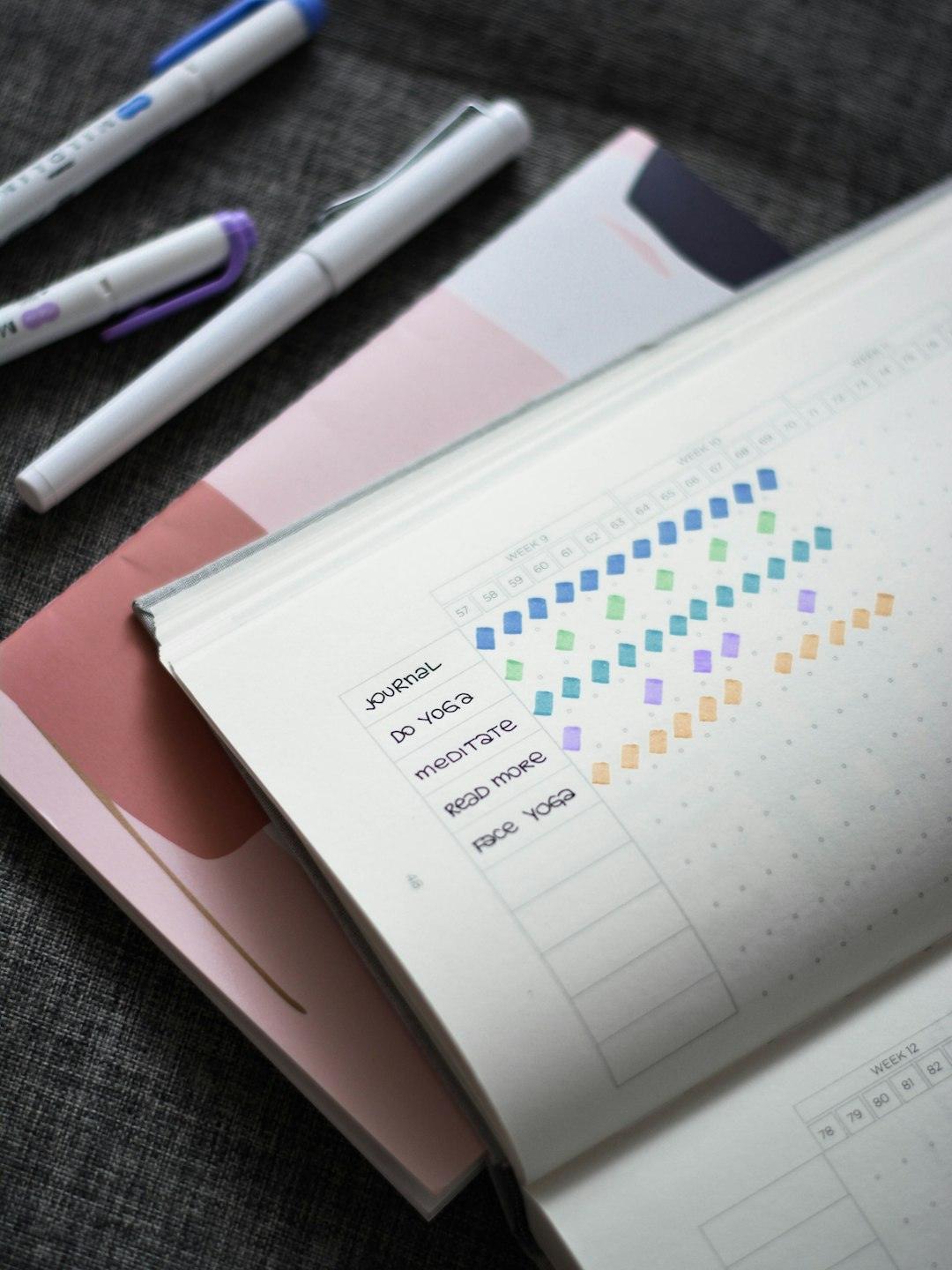
To turn mood data into routine changes: log mood alongside 3-4 lifestyle factors (sleep, exercise, caffeine, social contact) for at least 2-3 weeks, look for entries that repeat together (not just one bad day), pick the single strongest pattern, change one variable at a time, and track for another two weeks to confirm the mood shift holds before adding a second change.
Step 1: Track the Right Things Alongside Mood
A mood score by itself tells you almost nothing — you need context to turn into action. Each day, log your mood (a simple 1-5 or 1-10 scale works fine) plus a short list of lifestyle factors you suspect matter: hours of sleep, whether you exercised, caffeine and alcohol intake, time outdoors, screen time before bed, and any notable stressors or social interactions. Keep the list short. Tracking fifteen variables guarantees you’ll quit by week two; four or five consistent ones is enough to spot real patterns.
Log at the same time each day — most people do it in the evening, reflecting on the whole day, or first thing in the morning rating how they feel right then. Consistency in timing matters more than the exact scale you use, because it’s the comparison across days that reveals the pattern, not any single day’s number.
Step 2: Read the Data for Patterns, Not Single Bad Days
After two to three weeks, go back through the log and look for things that show up together more than once. One bad mood day after a poor night’s sleep is a coincidence; four bad mood days that all followed a short night of sleep is a pattern worth acting on. The same goes for the reverse — notice the days you felt genuinely good and what preceded them, not just the low points.
Pay particular attention to day-of-week effects (a Sunday-evening dip tied to the coming work week, for example), and to lagged effects — a stressful or poorly-slept day sometimes shows up in your mood the following afternoon rather than immediately. Circle or flag the two or three strongest repeat patterns rather than trying to explain every fluctuation; chasing every blip in the data is what makes tracking feel pointless.
Be honest that correlation isn’t proof. If your mood dips every time you skip exercise, that’s a strong lead to test — it doesn’t yet prove exercise is the cause, since something else (a busy week, poor sleep) could be driving both. That’s what the next step is for.
Step 3: Turn One Pattern Into a Routine Experiment
Pick the single strongest pattern from your data and design a small, specific change around it — not a vague resolution like “sleep more,” but something concrete: lights off by 11pm on weeknights, a 20-minute walk before 10am, caffeine cutoff at noon, or a standing Tuesday-evening call with a friend if isolation tracks with low mood. Change one variable at a time; if you overhaul your sleep, diet, and exercise simultaneously, you won’t know which change actually moved your mood.
Keep logging mood the same way for another two to three weeks while you run the change. Compare the new period to your baseline using the same patterns you flagged in Step 2 — did the specific dip you were targeting shrink or disappear? If yes, the change is worth keeping as a permanent routine. If mood is unchanged, that’s useful information too: it means the factor you picked probably wasn’t the real driver, and it’s time to test the next strongest pattern instead of assuming the whole approach failed.
Once a change proves out, lock it in and layer on the next one rather than testing several at once. This one-variable-at-a-time approach is slower than overhauling everything up front, but it’s the only way the changes you make are actually backed by your own data instead of a guess.
A Simple Log Layout That Makes This Easy
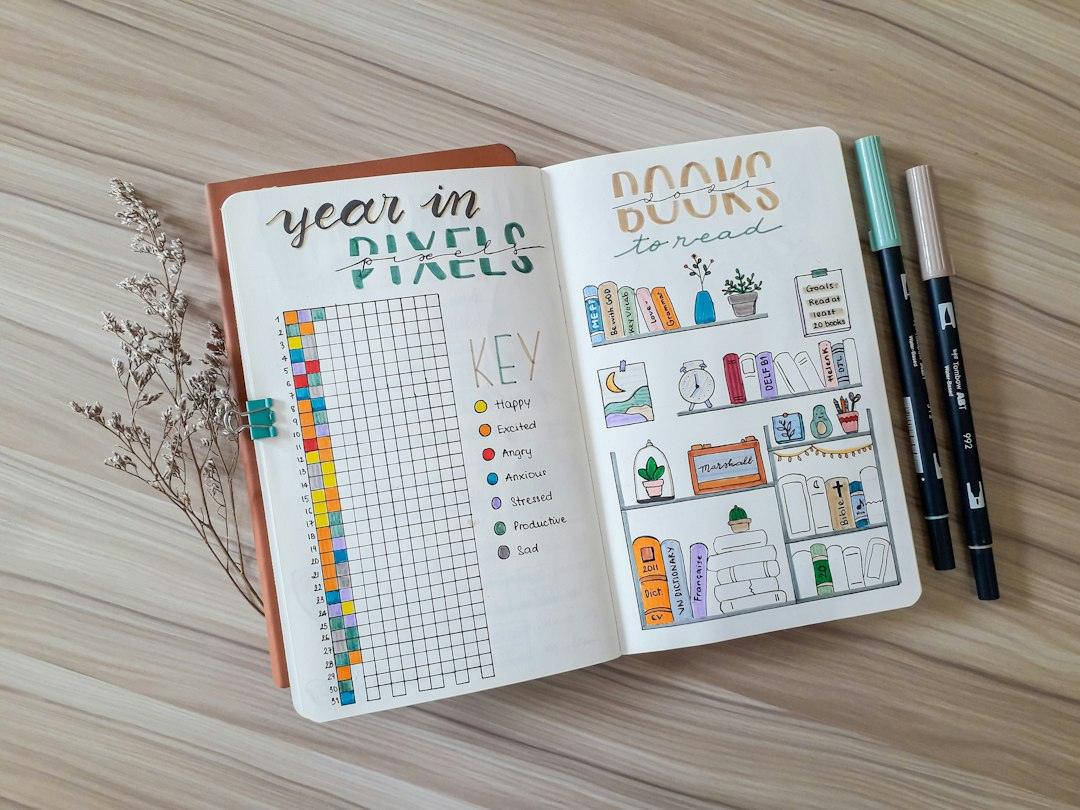
The log works best as one row per day across a few weeks, so patterns are visible at a glance rather than buried in separate entries. A practical layout: a Date column, a Mood column (1-10 scale), then one column each for Sleep (hours), Exercise (yes/no or minutes), Caffeine (cups), Alcohol (drinks), Stress level (1-10), and a short Notes column for anything unusual that day (an argument, a deadline, travel). Running two to three weeks per page keeps a full tracking cycle visible on one sheet, so you can scan down each column and see what lines up with your low and high mood days without flipping pages.
If you’d rather not build this from scratch, this article comes with a free printable mood-and-habit log in that exact layout — grab it from the download box above and start filling it in today rather than waiting until you’ve designed your own system.
Tips / Common Mistakes
Don’t track for only a few days and expect clarity — weekly rhythms (weekday stress, weekend recovery) need at least two full weeks to show up. Don’t change five habits at once after one good insight; you’ll gain a vague sense that “things are better” without knowing why, which doesn’t help you sustain it. Don’t ignore the good days — the patterns behind your best moods are just as actionable as the patterns behind your worst ones, and often easier to repeat. And don’t treat a mood tracker as a diagnostic tool: if your logs show a persistent low mood, high anxiety, or thoughts of self-harm regardless of routine changes, that’s a signal to bring the log to a therapist or doctor, not to keep self-experimenting alone.
Explore more: more mental health tools and guides.
Mood tracking to routine change FAQs
How long should I track my mood before looking for patterns?
Give it at least two to three weeks. That’s usually enough to catch weekly rhythms (like a Sunday-evening dip) and repeat correlations with sleep, exercise, or stress, without the data getting stale or the habit feeling like a chore.
What should I track alongside my mood score?
Keep it to four or five factors you genuinely suspect matter: sleep hours, exercise, caffeine or alcohol intake, and major stressors or social contact. A short, consistent list is easier to stick with and easier to read for patterns than a long one.
What if I don’t see any clear pattern in my data?
That’s a real result, not a failure — it usually means mood is being driven by something you’re not tracking yet (work stress, a relationship, a health issue) or by several small factors combined. Add one or two new variables to your log and keep going rather than abandoning the habit.
Can a mood tracker replace therapy?
No. A mood tracker is a self-awareness tool that helps you and a clinician spot patterns faster, but it isn’t a treatment on its own. If your log shows a persistent low mood or you’re concerned about your mental health, bring the data to a therapist or doctor rather than trying to fix it through routine changes alone.
Skip the Spreadsheet — Track It in ZenDuel
Habit streaks, mood tracking, and accountability duels in one free app — no template maintenance required. Get ZenDuel.
Want a calmer inbox? Subscribe to the free newsletter.
Photo by Prophsee Journals on Unsplash.