This week in mental wellness, scientists pinpointed the brain chemical that lets you abandon failing habits, Yale researchers confirmed that cognitive and physical improvement in later life is far more common than assumed, and a new study found that just five minutes of mindfulness meditation meaningfully shifts how the brain processes risk. From the amygdala to the gut microbiome to your 90-year-old neighbor’s daily brain workout, the research landscape for mental wellness is moving fast. Here is everything you need to know from the week of June 21, 2026.
Table of Contents
Mindfulness & Meditation Research
Five Minutes of Mindfulness Reshapes Risk Perception
A study published in Scientific Reports found that a single five-minute mindfulness meditation session increased participants’ willingness to take risks compared to both active and passive control conditions. Computational analysis traced the effect to a reduction in loss aversion — the brain’s deep-seated tendency to weight losses more heavily than equivalent gains. The research used two independent experimental paradigms (the Balloon Analogue Risk Task and the Bomb Risk Elicitation Task) with participants from the UK and Singapore, adding cross-cultural weight to the findings. If you want to explore what a brief session feels like before diving deeper, our 4-7-8 Breathing Technique guide offers an accessible starting point.
Internet-Delivered MBCT Effective for Adjustment Disorder
A randomized controlled trial published in the Journal of Anxiety Disorders found that internet-delivered Mindfulness-Based Cognitive Therapy (MBCT) significantly reduced symptoms of Adjustment Disorder and revealed the psychological mechanisms that drive the improvement. The study, added to the American Mindfulness Research Association library in June 2026, matters for mental wellness access: it means clinically validated mindfulness care is now reachable for people who cannot attend in-person sessions.
MBSR Shown to Improve IVF Outcomes
An online Mindfulness-Based Stress Reduction (MBSR) program reduced psychological distress in women undergoing in vitro fertilization and was associated with improved pregnancy rates, according to a new clinical study highlighted by AMRA in June 2026. The finding strengthens the case that mind-body practices produce measurable physical health benefits that extend well beyond mood and stress — including in reproductive medicine.
Mindfulness Acts as a Shield Against Online Risk-Taking in Kids
A June 2026 study in Frontiers in Psychology found a significant negative correlation between trait mindfulness and risky online behavior in middle-school-aged children. Kids with stronger mindfulness skills were substantially less likely to engage in harmful digital activities. The research adds real-world weight to school-based mindfulness programs as practical tools for digital wellness — not just meditation cushion exercises.
Long-Term Meditation Linked to Younger Brain Age During Sleep
Research earlier in 2026 showed that advanced meditators display structural and functional brain differences tied to a younger biological brain age during sleep, including stronger connectivity in the precuneus — a region central to self-awareness and introspection. Separate findings confirmed that brainwave changes during meditation begin within two to three minutes and peak around the seven-minute mark. The practical implication: even short, consistent sessions appear to produce neurological changes worth having.
Habit & Behavior Science
Acetylcholine Is the Brain Chemical Behind Breaking Bad Habits
Scientists at the Okinawa Institute of Science and Technology (OIST) published a landmark finding on June 8, 2026: acetylcholine is the neurotransmitter that enables behavioral flexibility. When mice encountered unexpected failures in a maze task, a surge of acetylcholine in key brain regions prompted them to abandon failing strategies and try new approaches. Blocking this chemical sharply reduced their ability to adapt. The discovery opens therapeutic targets for addiction, OCD, and Parkinson’s disease — all conditions where inflexible behavior patterns are a defining feature.
New Research: Habits Form Far Faster Than Previously Thought
A Johns Hopkins University study published in Nature Communications in June 2026 found that the transition from deliberate choice to automatic habit occurs much more rapidly than decades of psychology research had assumed. A specific brain region acts as the switch that flips behavior from effortful to automatic. If you want to put this to use, our deep-dive on the habit loop’s cue-routine-reward structure gives you the practical framework to engineer new habits from the ground up.
Your Brain Can Keep Improving Into Your 90s
A three-year study of nearly 4,000 adults aged 19 to 94, published June 13, 2026 in Scientific Reports by the University of Texas at Dallas Center for BrainHealth, found that brief daily brain-training activities produced measurable improvements in thinking clarity, emotional well-being, and sense of purpose at every age. Those starting with the lowest baseline scores showed the greatest gains. Crucially, engagement level was a stronger predictor of improvement than age or education — meaning consistent effort beats raw biology when it comes to cognitive health.
Obsessive Gaming and Health Searches Predict Social Isolation
A June 18, 2026 study in Comprehensive Psychiatry by researchers at Wroclaw Medical University tracked young adults over six months and found that obsessive video gaming and compulsive online health searches reliably predicted higher levels of social isolation later on. The reverse was also true: loneliness predicted the development of problematic pornography consumption. The study identified gaming and online shopping as “gateway behaviors” that increase vulnerability to developing additional digital compulsions — practical targets for early mental wellness intervention.
Yale: Nearly Half of Older Adults Show Measurable Improvement Over Time
A sweeping 12-year longitudinal study published June 21, 2026 in Geriatrics by Yale School of Public Health found that 45% of adults over 65 showed measurable improvements in cognitive function, physical function, or both. Roughly 32% improved cognitively while 28% improved physically. Lead researcher Becca R. Levy found that adults with more positive beliefs about aging were significantly more likely to show these gains: “Improvement in later life is not rare, it’s common.” The finding reframes aging as a dynamic process, not a fixed decline.
Mental Wellness Trends
Scientists Reverse Anxiety by Rebalancing a Single Brain Circuit
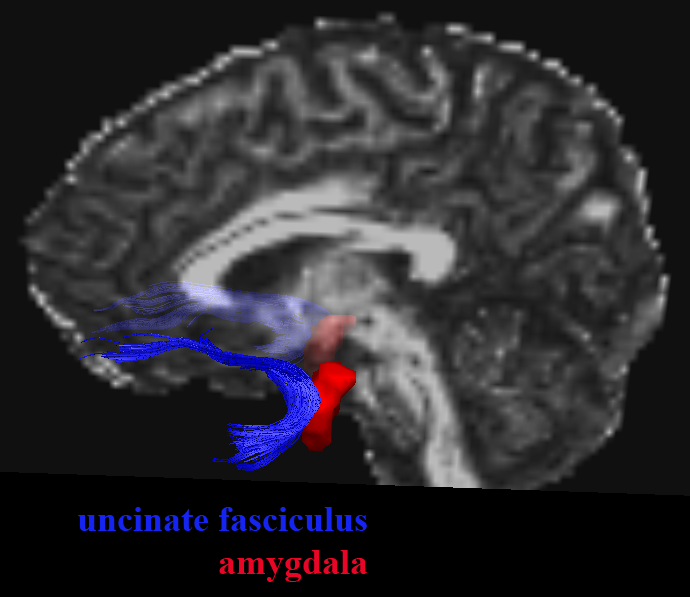
Researchers at the Institute for Neurosciences (CSIC-UMH) in Spain published findings in June 2026 showing that rebalancing a specific amygdala neuron pathway — the Grik4/GluK4 circuit — was sufficient to reverse anxiety-like behaviors and social withdrawal in mice. The intervention worked not only in a genetically modified model but also in naturally high-anxiety animals, suggesting the circuit plays a broad role in emotional regulation. The research points toward more precise pharmacological treatments that could replace today’s broad-spectrum anxiety medications, which often carry significant side effects. For strategies you can use now, see our guide on how to stop worrying about things you can’t control.
Gut Microbiome Imbalance Shown to Drive Depression Pathways
A comprehensive review published June 8, 2026 in Frontiers in Psychiatry mapped the mechanisms by which gut microbiota contribute to depressive disorders. Patients with depression consistently show depleted populations of short-chain fatty acid-producing bacteria (like Faecalibacterium) and disrupted tryptophan-kynurenine metabolism. The authors described both ascending pathways (intestinal barrier disruption triggering brain inflammation) and descending pathways (chronic stress reshaping the gut environment), and identified dietary changes, targeted probiotics, and fecal microbiota transplantation as promising adjunct treatments for mental wellness.
Copper-Based Drug Clears Alzheimer’s Proteins and Restores Memory
Scientists at Monash University published results in ACS Chemical Neuroscience on June 16, 2026 showing that a copper compound called Cu(ATSM) increased the brain’s waste-clearance pumps by 24%, reduced toxic amyloid-beta proteins by 42%, and improved spatial learning by nearly 44% in laboratory models. Because Cu(ATSM) has already completed human safety trials for Parkinson’s and ALS, its path to Alzheimer’s clinical trials could move significantly faster than a novel compound — a rare piece of good news in the dementia treatment landscape.
Men’s Mental Health Month Highlights Persistent Treatment Gaps
June is Men’s Mental Health Awareness Month, and 2026 data reinforces how wide the gap remains: men are significantly less likely than women to seek professional mental health support, yet face higher rates of suicide, untreated depression, and substance use disorders. Mental health advocates this month are pushing for outreach programs that frame mental wellness as a form of strength rather than a sign of weakness, with mindfulness training, peer-support circles, and structured breathing practices among the evidence-based tools gaining traction in male-focused programs.
Climate Anxiety Counseling Becomes a Formal Specialty
Therapists in the US, UK, and Germany are reporting surging caseloads of patients presenting with eco-grief and climate-related anxiety, according to June 2026 reporting from the Global Wellness Summit. The Climate Psychology Alliance has seen membership double since 2023, and practitioners are developing specific protocols that combine individual coping strategies with community resilience frameworks. Climate anxiety is emerging as a distinct and growing frontier in mental wellness — one that blends traditional mindfulness practice with collective action.
Sources
- ScienceDaily — Scientists Discover the Brain Chemical That Helps You Break Bad Habits
- ScienceDaily — Your Brain Can Keep Improving Into Your 90s, Study Finds
- ScienceDaily — Yale Study Finds Nearly Half of Older Adults Improved With Age
- PsyPost — Which Online Habits Actually Predict Future Social Isolation?
- ScienceDaily — Scientists Reverse Anxiety by Fixing a Tiny Brain Circuit
Frequently Asked Questions
What is mindfulness meditation and how quickly does it change the brain?
Mindfulness is the practice of intentional, non-judgmental present-moment awareness. Research published in 2026 shows that brainwave changes begin within two to three minutes of a session and peak around the seven-minute mark. Even a single five-minute session has been shown to reduce loss aversion and shift how the brain processes risk and decision-making.
How fast do new habits actually form?
Much faster than the popular 21-day myth, according to a 2026 Johns Hopkins study in Nature Communications. The research found that the shift from conscious decision-making to automatic habit is driven by a specific brain region and can occur far more rapidly than previously believed — though the exact timeline depends on consistency and context.
Can older adults genuinely improve their mental and cognitive function?
Yes, and more commonly than most people assume. A Yale School of Public Health study tracking adults for 12 years found that 45% showed measurable cognitive or physical improvement. A separate University of Texas at Dallas study found that brain health can improve from age 19 all the way into the 90s, with engagement level — not age — being the strongest predictor of gains.
How does the gut microbiome affect mood and mental health?
The gut and brain communicate through a bidirectional network involving the vagus nerve, immune signaling, and neurotransmitter production. Research published in June 2026 in Frontiers in Psychiatry found that people with depression show depleted populations of beneficial bacteria and disrupted metabolic pathways that affect brain chemistry. Dietary changes, probiotics, and stress reduction practices are emerging as practical adjunct treatments.
What are the most effective science-backed tools for reducing anxiety right now?
Evidence-backed frontline tools include mindfulness-based cognitive therapy (now available online), breathing techniques like the 4-7-8 method, and structured habit change practices. Emerging research on the brain’s amygdala circuit (Grik4/GluK4 pathway) and gut microbiome restoration may eventually produce more targeted clinical treatments, but for everyday mental wellness, consistent mindfulness practice and controlled breathing remain the most accessible and well-supported approaches.