Mindfulness for social anxiety offers a research-backed set of practices that can reduce the painful self-consciousness, anticipatory dread, and post-event rumination that define this common mental health challenge. Social anxiety is not shyness. It is a persistent fear of being judged, embarrassed, or rejected by others, often severe enough to disrupt work, relationships, and basic daily activities. Standard mindfulness instruction can sometimes worsen social anxiety in the short term because it directs attention inward toward sensations and thoughts that already feel threatening. The techniques in this guide are specifically adapted to work with the social anxiety pattern rather than against it, drawing on clinical research from mindfulness-based cognitive therapy and acceptance and commitment therapy.
Table of Contents
Why Standard Mindfulness Sometimes Backfires

Telling someone with social anxiety to focus on the sensations in their body during a stressful conversation often makes things worse. The sensations they notice (racing heart, sweating palms, tight throat) feed the fear that something is visibly wrong with them. The mindfulness practice becomes another arena for self-criticism.
The fix is to start with practices that build self-compassion and external attention before turning inward. Research published by the National Library of Medicine on mindfulness for social anxiety shows that compassion-focused practices and external attention training produce better outcomes than traditional internal attention practices for this population.
External Attention Anchors
In the moments when social anxiety spikes, deliberately move your attention outward to neutral details in your environment. Notice the texture of the wall behind the person you are talking to. Count the number of people wearing blue in the room. Pay attention to the actual content of what someone is saying rather than what you imagine they think of you.
This is not avoidance. It is reallocating attention away from the catastrophic narrative running in your head and toward verifiable external reality. The practice gives your prefrontal cortex something concrete to work with and reduces the amygdala-driven threat response. Pair this with the foundational regulation work in our piece on how to start a self-care routine.
Self-Compassion Before Self-Awareness
Most social anxiety comes with a brutal inner critic. Self-compassion practice softens that critic, which in turn makes self-awareness less threatening. Start every formal mindfulness session with two minutes of explicit self-compassion: “May I be kind to myself. May I accept my anxiety without judgment. May I forgive myself for being human.”
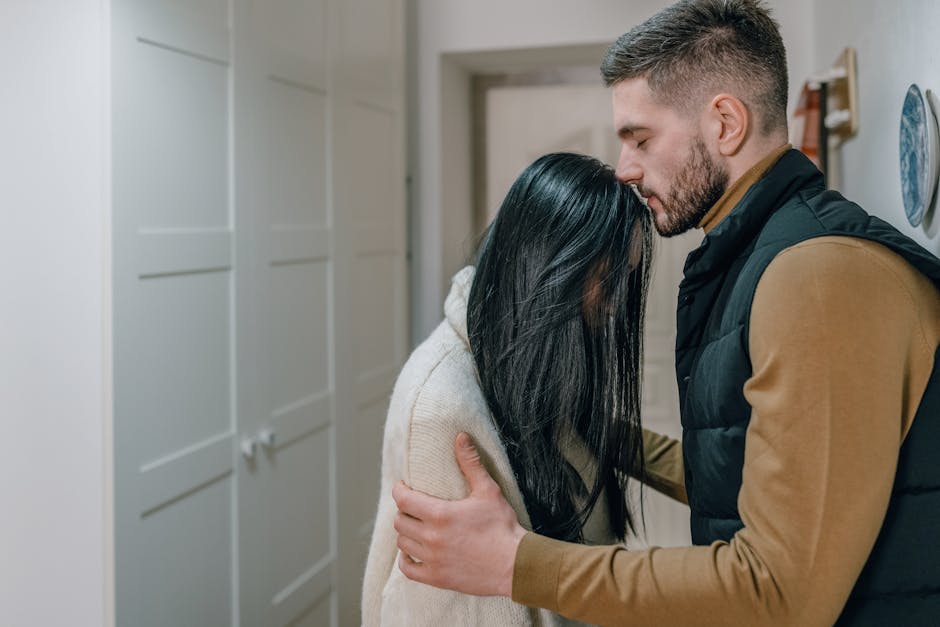
This sounds simple and feels uncomfortable for most people with social anxiety, who are not used to extending warmth toward themselves. The discomfort is part of the practice. Over weeks of repetition, the inner critic loses some of its grip. According to Kristin Neff’s published research on self-compassion, self-compassion training produces measurable reductions in social anxiety symptoms within eight to twelve weeks of consistent practice.
Defusion From Anxious Thoughts
Defusion is a technique from acceptance and commitment therapy that creates psychological distance between you and your anxious thoughts. Instead of “I am stupid,” you practice noticing “I am having the thought that I am stupid.” The thought is the same. Your relationship to it changes.
Practice this during low-stress moments first. Notice a thought, name it as a thought, and let it pass without engaging. The skill becomes available later in higher-stress moments. Over time, defused thoughts lose much of their power even when they still appear. According to the American Psychological Association’s resource on social anxiety, cognitive defusion is one of the most effective evidence-based skills for managing the chronic self-criticism that drives social anxiety.
Working With Post-Event Rumination
Social anxiety often peaks after the social event, not during it. The replay loop where you mentally review every awkward moment is exhausting and reinforces the underlying anxiety. Mindfulness offers a way to interrupt the loop without forcing it to stop.
When you notice you are ruminating, name it: “I am ruminating right now.” Then deliberately shift attention to a neutral sensory anchor: feet on floor, breath in nostrils, sound in the room. Do not argue with the ruminative thoughts. Just give your attention somewhere else to land. Repeat as many times as needed. Combined with the broader practice in 12 self-care ideas for busy professionals, this approach builds gradual capacity to navigate social situations with less suffering. Mindfulness for social anxiety is not a cure, but it is a real and substantial part of recovery for many people, often working alongside therapy and sometimes medication.
Frequently Asked Questions
Can mindfulness replace therapy for social anxiety?
For mild cases sometimes yes, but for moderate to severe social anxiety, mindfulness works best alongside therapy. Cognitive behavioral therapy is particularly well-supported by research.
How long until mindfulness helps with social anxiety?
Most people notice subtle shifts within four to six weeks. Substantial reductions in social anxiety symptoms typically appear within eight to twelve weeks of consistent practice.
What if mindfulness makes my anxiety worse?
This can happen with certain practices. Switch to external attention anchors and self-compassion practices instead of internal body awareness, at least until your baseline stabilizes.
Is it okay to use mindfulness during social situations?
Yes. Brief external attention anchors and slow breathing can be practiced discreetly during conversations or events without anyone noticing.
Should I tell people about my social anxiety?
That is your choice. Many people find that selective disclosure with safe people reduces shame and increases support. Others prefer to keep it private. Both are valid.