Self-care routine is a topic that more people are exploring every day. Self-care has become one of the most talked-about and least practiced concepts in modern wellness. Everyone agrees that taking care of yourself is important. Very few people do it consistently. The gap between intention and action is not caused by laziness or ignorance. It is caused by the way most self-care advice is structured.
Table of Contents
Typical self-care content describes elaborate rituals involving morning journaling, gratitude lists, face masks, bubble baths, meal prep, digital detoxes, and ten-step skincare routines. These articles read beautifully. They are also completely impractical for anyone with a full-time job, family responsibilities, or a life that does not resemble a lifestyle magazine.
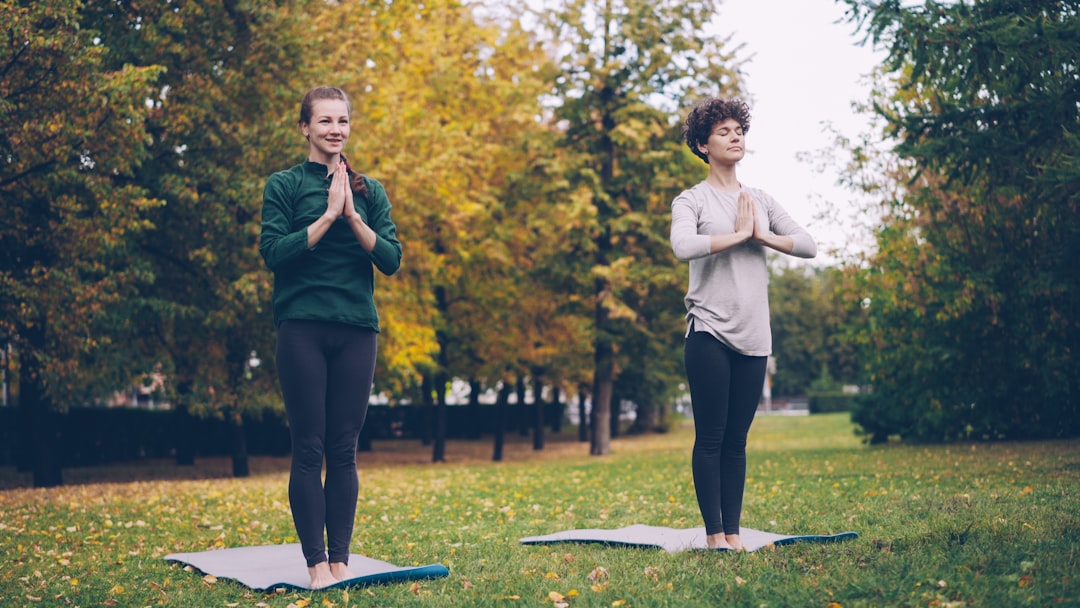
A self-care routine that you will actually keep requires a fundamentally different starting point. It needs to be small, flexible, and built around behaviors that genuinely replenish your energy rather than behaviors that look good on social media. (Source: National Institute of Mental Health)
Why Self-Care Routines Fail
Most self-care routines fail for the same reason most diets fail: they demand too much change too fast. Going from zero self-care practices to a ninety-minute morning routine is like going from no exercise to running a marathon. The ambition is admirable. The outcome is predictable. (Source: Psychology Today)
The second reason self-care routines fail is guilt. When you miss a day of your elaborate routine, you feel worse than if you had no routine at all. The self-care practice that was supposed to reduce stress becomes a source of it. This paradox drives many people to abandon structured self-care entirely and default to reactive coping mechanisms like scrolling, snacking, or binge-watching.
The third reason is misidentification. People adopt self-care practices because they saw someone else doing them, not because those practices actually address their specific needs. If your primary source of stress is physical exhaustion, meditation might not be what you need. You might need sleep. If your primary source of stress is isolation, journaling alone in your room is not self-care. Calling a friend is.
Identify Your Actual Needs First
Before building a routine, spend a week simply noticing what depletes you and what replenishes you. Pay attention to the moments when you feel drained and the moments when you feel restored. This is not an exercise in judgment. It is data collection.
Common patterns that emerge include:
- Physical depletion: Not enough sleep, poor nutrition, lack of movement, chronic pain
- Mental depletion: Information overload, decision fatigue, lack of creative expression
- Emotional depletion: Unprocessed feelings, relationship tension, loneliness
- Spiritual depletion: Lack of purpose, disconnection from values, absence of reflection
Your self-care routine should directly address the categories where you are most depleted. A person who is physically exhausted needs sleep and movement, not another app to track. A person who is emotionally depleted needs connection and expression, not a face mask.
The Minimum Viable Self-Care Routine
Start with exactly one practice. Not five. Not three. One. Choose the single self-care behavior that would make the biggest difference in your current life, and commit to doing it in the smallest possible form every day.
Here are examples of minimum viable self-care practices:
- Sleep: Set an alarm for bedtime, not just for morning. Go to bed fifteen minutes earlier than you currently do.
- Movement: Walk for ten minutes. Not a workout. A walk.
- Mindfulness: Draw one circle on your phone as a moment of focused attention. Take five deep breaths. Close your eyes for sixty seconds.
- Connection: Send one genuine text to someone you care about. Not a meme. A real message.
- Expression: Write three sentences about how you feel today. Not a journal entry. Three sentences.
The practice should take less than five minutes. If it takes longer, make it smaller. You can always add time later. You cannot always recover from burnout caused by an unsustainable routine.
Build Your Routine in Layers
Once your single practice feels automatic, typically after two to four weeks, add a second practice. Then a third. Each addition should feel natural rather than forced.
A realistic self-care routine after three months of gradual building might look like this:
Morning (5 minutes):
- Draw your daily Enso as a mindfulness moment
- Set one intention for the day

Midday (2 minutes):
- Step outside for fresh air
- Three deep breaths
Evening (5 minutes):
- Write three things that went well today
- Set your bedtime alarm
Total daily time: twelve minutes. That is realistic. That is sustainable. And over months, those twelve minutes compound into a fundamentally different relationship with your own well-being. For more on this topic, read our guide on How to Stop Procrastinating for Good.
Track Your Self-Care Without Making It a Chore
Tracking self-care is important because it creates accountability and makes your consistency visible. But the tracking method matters. If tracking feels like another item on your to-do list, it will become part of the problem rather than the solution. For more on this topic, read our guide on Dopamine and Motivation: How Your Brain Controls Your Habits.
The most effective tracking methods are those that integrate naturally into the practice itself. Drawing a daily Enso circle serves as both the mindfulness practice and the record of it. Logging a mood check-in takes seconds and captures data about your emotional state over time. These approaches collapse the distinction between doing and tracking, so you never feel like you are performing administrative work on top of your self-care.
Apps that offer quick daily logging across multiple categories, like fitness, wellness, productivity, and self-care, make it possible to track broad patterns without spending time managing the tracker. The goal is to spend your energy on the practices, not on the system.
Self-Care Is Not Selfish
One of the most persistent barriers to consistent self-care is the belief that it is selfish. This belief is especially common among caregivers, parents, and people in helping professions who have internalized the idea that their needs should always come last.
This framing is not only incorrect; it is counterproductive. Research on caregiver burnout consistently shows that people who neglect their own well-being become less effective at caring for others over time. The metaphor of putting on your own oxygen mask first exists because it reflects a literal truth: you cannot help anyone if you are depleted.
Self-care is not about indulgence. It is about maintenance. You maintain your car so it does not break down. You maintain your home so it remains livable. Maintaining your body and mind is not optional. It is the foundation that everything else depends on.
Make Self-Care Social
Self-care does not have to be a solitary activity. In fact, social self-care is often more sustainable than solo practices because it combines personal well-being with human connection.
Invite a friend to join you in building a self-care streak. Challenge each other to log daily practices for a month. Share your wins and struggles. The accountability of a shared commitment makes it harder to skip days, and the social connection itself becomes a form of self-care.
Duel-based approaches to self-care work particularly well because they add a playful element to practices that can otherwise feel heavy or obligatory. When logging your daily mindfulness practice also means pulling ahead in a friendly competition with your best friend, the entire experience shifts from duty to delight.
What Sustainable Self-Care Looks Like Long-Term
A year from now, your self-care routine will look different from where you started. Practices that felt essential in the beginning may have been replaced by others that better fit your evolving needs. This is not failure. It is growth.
The constant should not be specific practices. It should be the commitment to showing up for yourself every day in some form. Whether that form is meditation, movement, connection, creation, or rest depends on what you need right now, and what you need right now will change.
The goal of a self-care routine is not perfection. It is resilience. It is the ability to notice when you are depleted and respond with compassion rather than criticism. It is the twelve minutes a day that keep you functional, present, and available for the people and purposes that matter most to you.
Frequently Asked Questions
How long should a self-care routine take each day?
Start with five minutes or less. A sustainable self-care routine for most people takes between ten and twenty minutes daily once fully established. The key is starting small and building gradually rather than attempting an elaborate routine from day one.
What are the best self-care activities for stress relief?
The most effective stress-relief activities vary by person, but research supports deep breathing exercises, physical movement like walking, mindfulness practices like meditation or Enso drawing, social connection, and adequate sleep. The best activity for you is the one that directly addresses your primary source of stress.
How do I stick with a self-care routine when life gets busy?
Scale down rather than skip entirely. On your busiest days, reduce your self-care practice to its minimum viable version: one deep breath, one minute of stillness, one quick mood check-in. Maintaining consistency even in minimal form preserves the habit and prevents the all-or-nothing thinking that leads to abandonment.
Is self-care the same as self-indulgence?
No. Self-care is about maintaining your physical, mental, and emotional well-being so you can function effectively. It includes basics like sleep, nutrition, and stress management. While treats and luxuries can be part of a self-care practice, the foundation is maintenance and recovery, not indulgence.
Can self-care be a social activity?
Absolutely. Social self-care, including activities done with friends, accountability partnerships, and shared wellness challenges, combines personal well-being with human connection. Many people find that social self-care practices are more sustainable than solo ones because the accountability and companionship make showing up easier.

3 thoughts on “How to Start a Self-Care Routine You Will Actually Keep”