It’s tempting to overhaul your whole life at once: wake up early, meditate, drink more water, read daily, hit the gym, cut sugar. You open a habit tracker app, add ten rows, and feel unstoppable for about four days. Then the grid of empty boxes starts to feel like a report card you’re failing, and the whole system gets abandoned.
Table of Contents
The problem usually isn’t willpower — it’s the number of habits you tried to run at the same time and how you structured them. This guide covers how many habits to track at once, how to link them together so they don’t compete for your attention, and how to set up a tracking system that keeps you motivated instead of guilty.
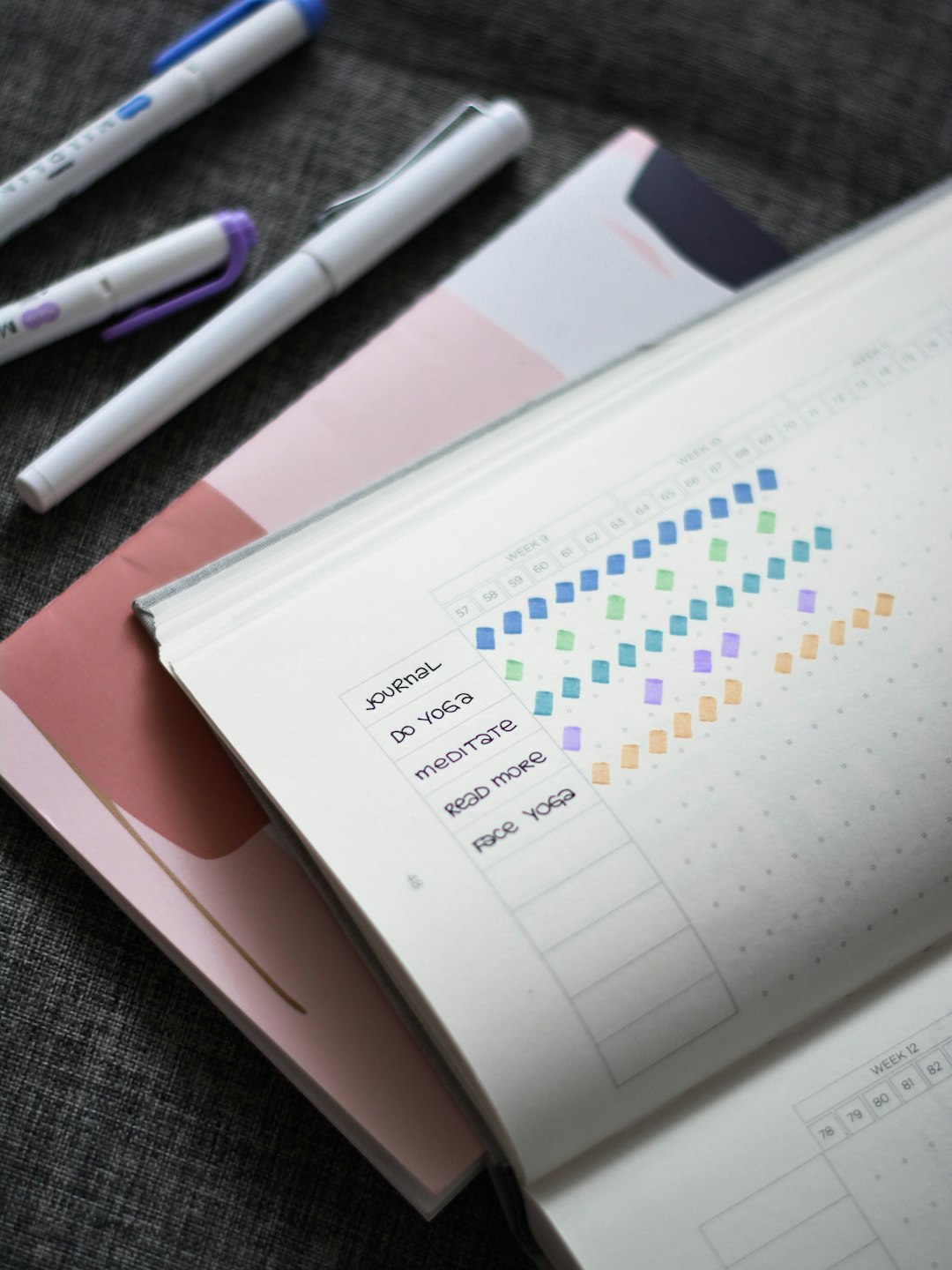
Quick Answer
Track no more than three to five habits at a time, group them around a single trigger (like a morning routine) instead of scattering them across the day, and only add a new habit once your current ones are running on autopilot most days. Use one simple tracker — paper, spreadsheet, or app — rather than several overlapping systems.
Start With Fewer Habits Than You Think You Need
Most people can realistically manage three to five habits before their attention and motivation start splitting too thin. Beyond that range, completion rates tend to drop off because every habit is fighting the others for the same limited willpower and reminder space.
If you’re starting from zero, pick two or three small habits for the first few weeks and focus entirely on consistency rather than intensity. A habit like ‘2 push-ups’ or ‘read one page’ sounds trivial, but it’s far more likely to survive a bad day than ‘exercise for an hour’ or ‘read a chapter.’ Once those early habits feel automatic — you’re doing them most days without having to think about it — add one more. Trying to launch five ambitious habits simultaneously is the single most common reason trackers get abandoned within a month.
Stack Habits Instead of Scheduling Them Separately
Habit stacking, a technique popularized by James Clear in Atomic Habits, means attaching a new habit to an existing one instead of relying on willpower or a fresh reminder for each. The formula is simple: ‘After [current habit], I will [new habit].’ For example: after I pour my morning coffee, I will write down my top three tasks for the day; after I brush my teeth, I will do one minute of stretching.
This works because your existing habit already has a reliable cue — you don’t need to remember to do it, you just need to remember what comes next. The key is picking an anchor habit that’s rock-solid and happens every single day at roughly the same time. A shaky anchor (like ‘sometime after lunch’) produces a shaky new habit. Stack two or three small habits onto one strong anchor, like your morning coffee or your commute, rather than spreading them across random points in the day where each one needs its own trigger.
Group habits by context rather than by category. A ‘morning stack’ (make bed, drink water, write three priorities) and an ‘evening stack’ (lay out clothes, five-minute tidy, lights-out at a set time) are each anchored to one dependable moment, which makes the whole set easier to track as a single block instead of five separate line items.

Tips and Common Mistakes
Use one tracking system, not three. Splitting your habits across a phone app, a wall calendar, and a notes app means you’ll forget to update at least one of them, and gaps in the data make the whole system feel unreliable. Pick a single tracker — even a basic spreadsheet or a paper grid with X marks — and put every habit in it.
Track the action, not the outcome. ‘Went to the gym’ is trackable every day; ‘lost 2 pounds’ isn’t, and tying your streak to an outcome you can’t fully control is a fast route to discouragement. Keep the habit itself binary: did you do it or not.
Don’t let one missed day turn into a reset. Missing once is an accident; missing twice in a row is the start of a new (bad) pattern. If you skip a habit, the only rule that matters is doing it again the next day — don’t try to make up for it by doubling up, and don’t scrap the whole tracker because one box is empty.
Review weekly, not daily. Checking in every single day on whether you’re ‘behind’ invites overwhelm. A short weekly look at the grid — which habits are solid, which are slipping — is enough to decide whether to keep going, simplify, or add something new.
Make the habit smaller before you give up on it. If a habit keeps getting skipped, the fix is usually to shrink it further (from ’30 minutes of reading’ to ‘read one page’) rather than to add a new one on top of a struggling one.
Explore more: Explore more habit-building guides.
Tracking multiple habits without overwhelm FAQs
How many habits should I track at once?
Three to five is the range most people can sustain. If you’re new to habit tracking, start with two or three and add more only after the current ones feel automatic.
What’s the fastest way to build several habits at the same time?
Stack them onto one strong existing routine (like your morning coffee or brushing your teeth) instead of giving each habit its own separate trigger and reminder.
What should I do if I miss a day?
Just resume the next day. One missed day is normal; the goal is to avoid missing twice in a row, which is when a slip turns into a new pattern.
Should I use a habit tracker app or paper?
Whichever you’ll actually open every day. The best tracker is the one simple enough that logging a habit takes a few seconds, not the one with the most features.
Build Better Habits With ZenDuel
Track your habits and mood, stay accountable, and build a calmer routine — get the ZenDuel app. Get ZenDuel.
Photo by Prophsee Journals on Unsplash.