If the idea of sitting cross-legged with your eyes closed for twenty minutes makes you want to do literally anything else, you’re not broken and you’re not “bad at meditation.” Mindfulness just means paying full attention to the present moment without judgment—and formal seated meditation is only one way to get there.
Table of Contents
This guide walks through eight lower-friction ways to practice mindfulness that don’t involve a cushion, an app timer, or forcing your mind to go blank. Pick one or two that fit your day, not all eight.
Quick Answer
You can build mindfulness without seated meditation by weaving present-moment attention into things you already do: walking, breathing, journaling, moving your body, coloring, eating, listening to music, or doing a digital detox. The goal is the same as meditation—noticing your thoughts and senses without judgment—just delivered through an activity you don’t dread.
8 Alternatives to Sitting Meditation
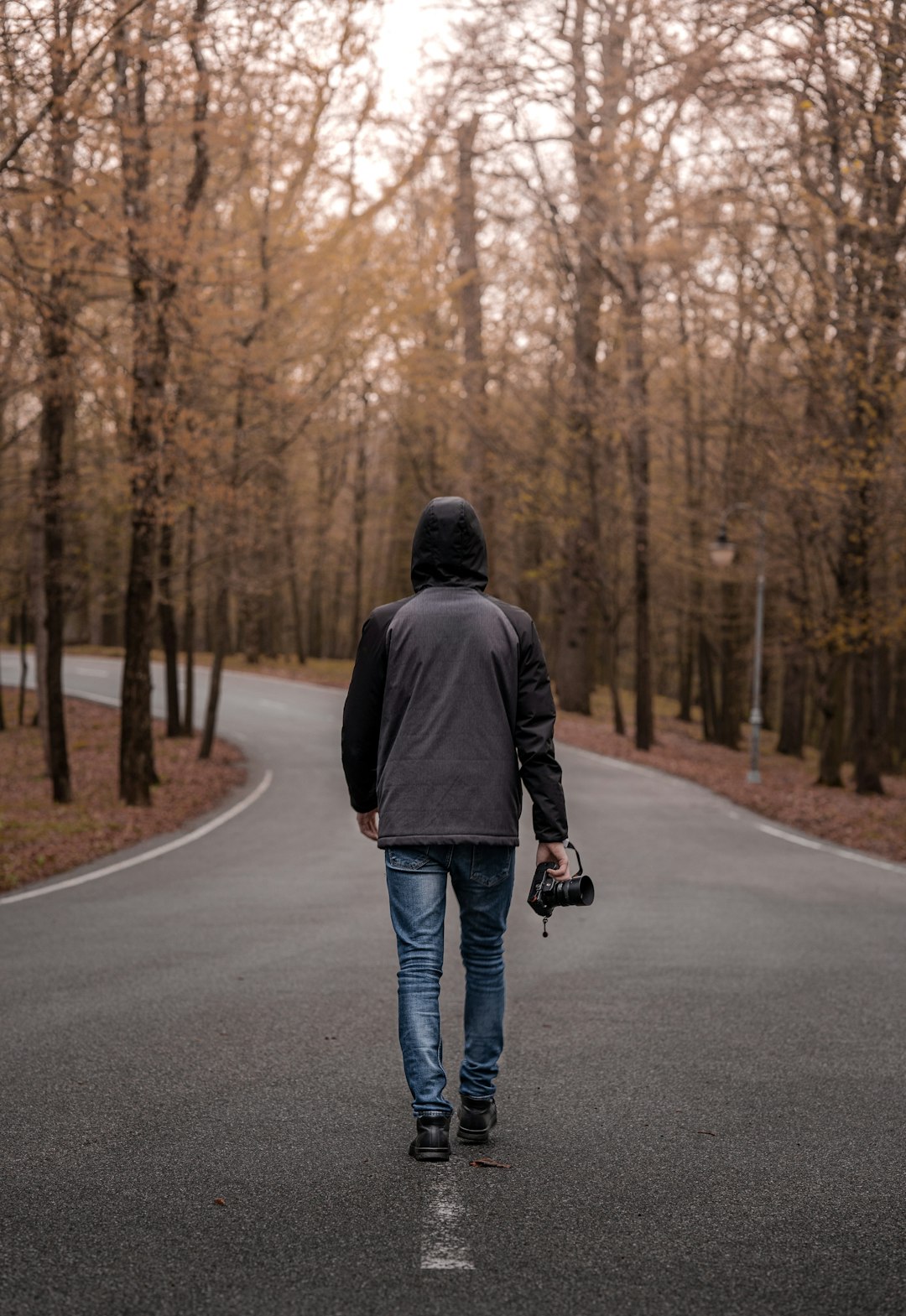
Mindful walking: Go for a walk and narrate your senses to yourself—what you see, hear, smell, and feel underfoot. The American Psychological Association highlights mindful walking as a way to get the physical benefits of exercise alongside the mental benefits of mindfulness, and it works whether you’re strolling around the block or just crossing a parking lot.
Breathwork: Box breathing (inhale 4 counts, hold 4, exhale 4, hold 4) or 4-7-8 breathing (inhale 4, hold 7, exhale 8) gives your mind a concrete task to focus on, which sidesteps the “my brain won’t stop racing” problem that turns people off meditation. Two or three minutes is enough to feel a shift.
Journaling: Writing down what’s on your mind—worries, a gratitude list, or just a stream-of-consciousness brain dump—forces you to slow down and notice your thoughts instead of getting swept up in them, which is the same skill meditation is meant to build.
Mindful movement: Yoga, tai chi, or even a slow stretching routine keeps you anchored to physical sensation instead of empty stillness. If sitting still feels unbearable, movement-based mindfulness gives your body something to do while your attention settles.
Coloring or drawing: Coloring intricate patterns, like mandalas, has been shown to help lower anxiety by keeping your attention absorbed in a repetitive, low-stakes task—similar to how a mantra occupies the mind in traditional meditation.
Mindful eating: Eat one meal or snack a day without your phone or a screen, and actually notice the texture, temperature, and flavor of the food. It’s a built-in mindfulness break that doesn’t require carving out extra time.
Mindful listening: Put on a song or ambient sound and give it your full attention instead of using it as background noise. Notice the instruments, the rhythm, how it makes you feel—this is genuinely absorbing for people who find silence uncomfortable.
Digital detox or single-tasking: Pick a stretch of time—even 15 minutes—to do one thing at a time without switching between apps or tabs. Reducing multitasking is itself a mindfulness practice because it trains you to stay with one experience instead of splitting your attention.
How to Choose What Works for You
Match the practice to what already frustrates you about sitting still. If restlessness is the problem, start with mindful walking or movement. If it’s a racing mind, breathwork or journaling gives your thoughts somewhere to go instead of trying to suppress them. If boredom is the issue, coloring or mindful listening keeps your senses engaged.
You don’t need a dedicated block of time. Attaching a practice to something you already do—your commute, your coffee, your evening playlist—is more sustainable than trying to add a brand-new habit to your day.

Tips / Common Mistakes
Don’t chase a blank mind. Mindfulness isn’t about having zero thoughts; it’s about noticing when your attention wanders and gently bringing it back, whether you’re walking, coloring, or eating a sandwich.
Don’t judge a session as a failure because it was short. A two-minute breathing exercise or a five-minute mindful walk still counts—consistency matters more than duration.
Avoid stacking a mindfulness practice on top of another distraction, like scrolling your phone during a mindful walk. The point is single-tasking, so keep the activity as your only focus.
If one alternative feels forced or annoying, drop it and try another from the list. There’s no single “correct” mindfulness practice, so treat this as trial and error rather than a checklist you have to complete.
Explore more: Explore more mindfulness guides.
Mindfulness for people who hate meditating FAQs
Do these alternatives give the same benefits as meditation?
They tap into the same core skill—paying attention to the present moment without judgment—so they can offer similar stress-relief and focus benefits. The research base on formal seated meditation is larger, but informal practices like mindful walking and journaling are widely recommended as accessible entry points.
How long should I spend on a mindfulness alternative?
There’s no required minimum. A few minutes of focused breathing, a 10-minute mindful walk, or one screen-free meal is enough to practice the skill. Short, consistent sessions tend to work better than rare, long ones.
Can I combine these with meditation later?
Yes. Many people use activities like mindful walking or journaling as a bridge, then find seated meditation easier once they’re more comfortable noticing their thoughts without judgment.
What if my mind still wanders during these activities?
That’s expected and not a sign of failure. Mindfulness is the practice of noticing the wandering and returning your attention to the activity—the noticing itself is the skill you’re building.
Build Better Habits With ZenDuel
Track your habits and mood, stay accountable, and build a calmer routine — get the ZenDuel app. Get ZenDuel.
Photo by Maksym Tymchyk 🇺🇦 on Unsplash.