Sleep meditation is a category of guided and unguided practices designed to ease your nervous system into rest, reduce the racing thoughts that keep you awake, and improve overall sleep quality across the night. It is different from daytime meditation in both goal and technique. Daytime meditation aims to build awareness. Sleep meditation aims to let awareness fade gently into unconsciousness. The practices include body scans, slow breathing, guided visualizations, sleep stories, and yoga nidra. When practiced consistently, sleep meditation can reduce the time it takes to fall asleep, reduce nighttime awakenings, and increase the proportion of time spent in restorative deep sleep.
Table of Contents
Why Most People Struggle to Fall Asleep
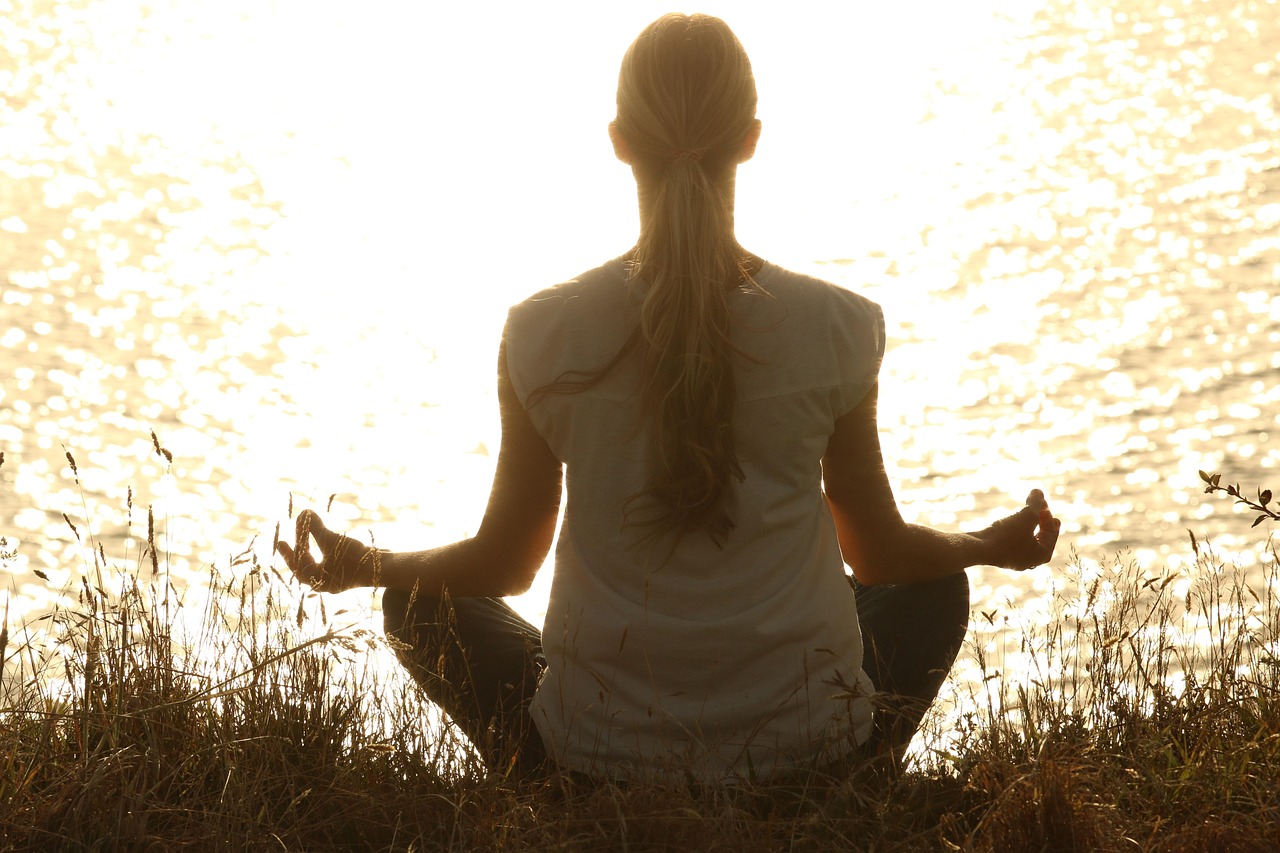
The modern bedtime is hostile to sleep. Bright screens flood your eyes with circadian-disrupting light. Stressful content keeps your nervous system activated. Caffeine half-lives stretch into the evening. By the time you actually try to sleep, your body and mind are still in alert mode. Sleep meditation offers a structured wind-down that counteracts these stressors.
According to research summarized by the CDC’s sleep resources, more than one in three American adults regularly fail to get the seven hours of sleep they need. The downstream effects on health, mood, and cognitive performance are significant, which is why sleep meditation has become one of the most-studied applications of mindfulness practice.
Body Scan for Sleep
The body scan is the most reliable sleep meditation for most people. Lying in bed, close your eyes and slowly move your attention from your toes upward, spending 30 to 60 seconds on each region. Most practitioners fall asleep before reaching their chest.
The technique works because it gives your busy mind a benign task while signaling to your body that it is safe to release. Use a guided recording for the first few weeks if you find your mind wandering aggressively. Look for sleep-specific body scans by Tara Brach, Bob Stahl, or any teacher who specializes in sleep practice. This pairs naturally with the broader sleep approach in our piece on morning routine habits that transform your mental health.
Slow Breathing for Sleep Onset
Slow breathing is the second most-studied sleep meditation technique. Specifically, breathing patterns that emphasize a long exhale relative to the inhale produce parasympathetic activation that prepares the body for sleep. The 4-7-8 pattern, with four-second inhale, seven-second hold, and eight-second exhale, is particularly effective.
A simpler version is just slow nasal breathing at six breaths per minute. Five seconds in, five seconds out. Continue for five to ten minutes. Most people find their thoughts slow down significantly within the first two minutes. According to research published by the National Library of Medicine on slow breathing, paced breathing produces consistent improvements in sleep latency and overall sleep quality.
Yoga Nidra and Guided Sleep Visualizations
Yoga nidra, sometimes called yogic sleep, is a guided practice that walks you through systematic body awareness and visualization while you lie completely still. Sessions typically run 20 to 45 minutes. The practice produces a state somewhere between waking and sleeping that many practitioners report as deeply restorative.
A 30-minute yoga nidra session has been shown to produce restorative effects comparable to several hours of sleep, though it does not replace sleep itself. Use yoga nidra as a pre-sleep wind-down or as a midday reset on days when you are running short on rest. Many free yoga nidra recordings are available through apps and on YouTube.
Sleep Stories and Auditory Companions
Sleep stories are calming narrated content designed to occupy the verbal mind enough that it stops generating its own anxious thoughts. Calm popularized the format with celebrity narrators reading slow content. Headspace, Insight Timer, and many other apps now offer similar libraries.
Sleep stories work especially well for people whose primary sleep obstacle is racing verbal thoughts. The narrator gives your inner voice something to follow rather than something to generate. According to Calm’s published research summaries, regular use of sleep stories produces measurable improvements in self-reported sleep quality. Combine sleep meditation with the broader self-care framework in how to start a self-care routine for a complete approach to nightly wind-down. Sleep meditation is one of the highest-leverage practices you can adopt because better sleep improves nearly every other dimension of your life.
Frequently Asked Questions
How long does sleep meditation take to work?
Most people fall asleep faster within the first few nights of consistent practice. Compound improvements in sleep quality typically appear within two to three weeks.
Can sleep meditation cure insomnia?
It can help significantly with mild to moderate insomnia. Severe or chronic insomnia often requires cognitive behavioral therapy for insomnia (CBT-I) or medical evaluation.
Should I use a guided recording or do it silently?
Beginners benefit from guided recordings because they remove the mental load of self-pacing. Experienced practitioners can do silent body scans or breathing meditations.
Is it okay to fall asleep during the practice?
Yes. Sleep is the goal of sleep meditation. If you fall asleep before the recording ends, the practice has worked.
Can I do sleep meditation if I wake up at 3 AM?
Yes. Mid-night sleep meditation, especially body scans and slow breathing, can help you fall back asleep without ruminating about being awake.