Body scan meditation is a structured mindfulness practice where you slowly direct your attention through every region of your body, noticing sensations without trying to change them. Unlike breath-focused meditation, which can feel abstract for beginners, body scan meditation gives you something concrete to investigate at every moment. It is one of the core practices taught in Mindfulness-Based Stress Reduction programs, and decades of clinical research show it reduces chronic pain, improves sleep quality, and lowers physiological markers of stress. The practice is forgiving, requires no special posture, and works equally well lying down or sitting upright.
Table of Contents
How Body Scan Meditation Differs From Other Practices
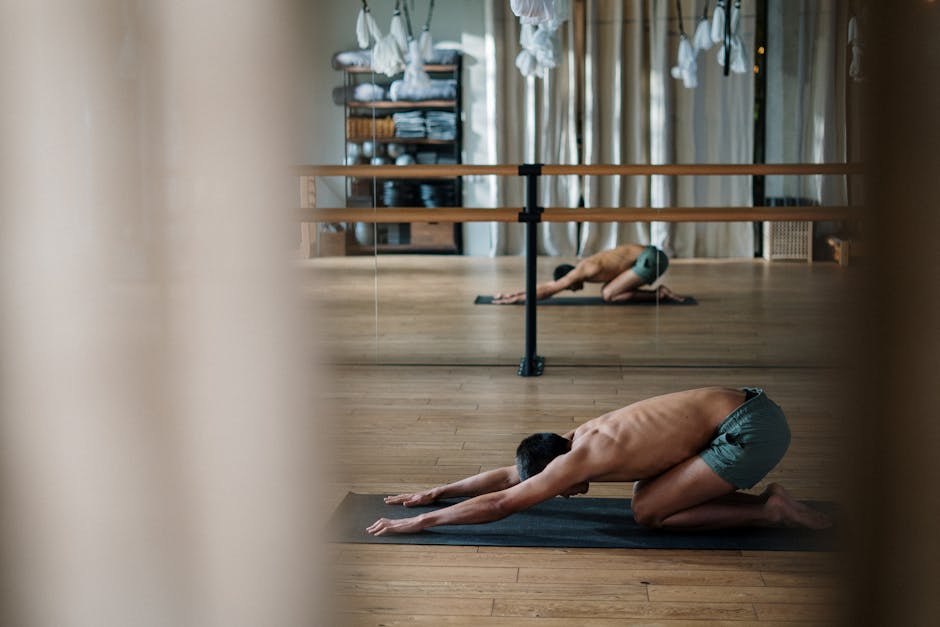
Most meditation styles ask you to focus on one anchor: the breath, a mantra, a candle flame. Body scan meditation rotates the anchor systematically through your physical body. This makes it especially useful for people whose minds wander aggressively or who feel disconnected from their physical sensations.
The practice was formalized in clinical settings by Jon Kabat-Zinn in the late 1970s. According to research summarized by HelpGuide, body scan meditation produces measurable reductions in cortisol, blood pressure, and self-reported anxiety, particularly when practiced for at least 20 minutes several times per week.
The Standard Sequence From Toes to Crown
The traditional body scan moves from your toes upward to the crown of your head. Spend roughly 30 to 60 seconds on each region: toes, feet, ankles, calves, knees, thighs, hips, lower back, abdomen, chest, hands, arms, shoulders, neck, face, scalp. The exact divisions matter less than the slow, even pace.
At each region, you simply notice what is there. Tingling, warmth, coolness, pressure, ache, numbness, or nothing at all. There is no goal beyond observation. If you find a region with no sensation, that absence is itself a valid thing to notice.
Working With Discomfort and Pain
Body scan meditation is particularly powerful for chronic pain because it changes your relationship to physical discomfort. Rather than fighting or avoiding pain, you investigate it with curiosity. Most practitioners discover that what they thought was a solid block of pain is actually a moving, changing collection of sensations.
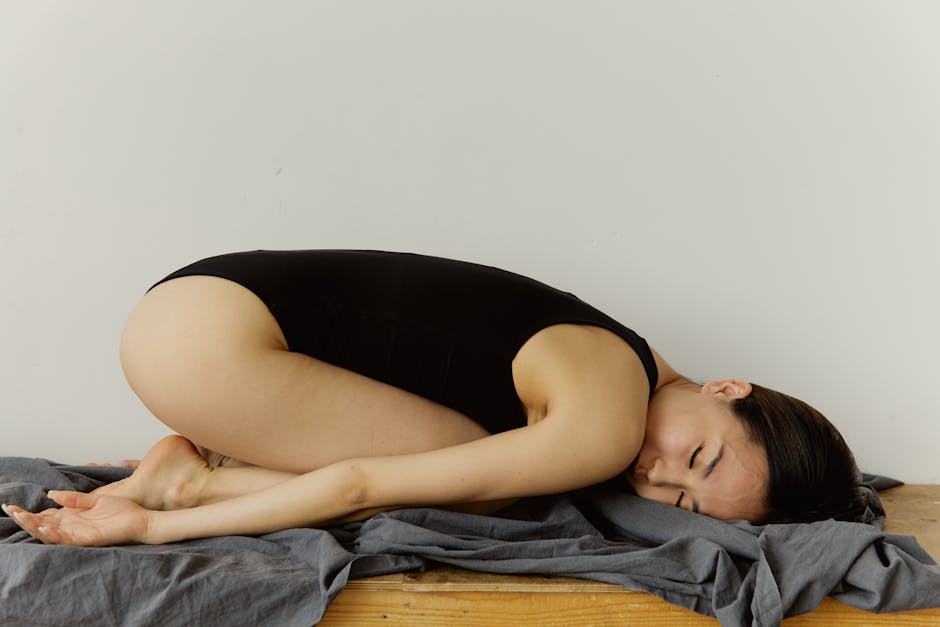
This does not mean pain disappears. It means pain becomes more workable. If you struggle with chronic discomfort, pair body scan meditation with the broader stress-reduction approach in our guide to 12 self-care ideas for busy professionals, which includes practices that complement somatic awareness work.
Body Scan for Better Sleep
The body scan is one of the most effective pre-sleep practices you can adopt. Lying in bed, close your eyes and move slowly from feet to head. Most people fall asleep before reaching their chest, which is exactly the desired outcome. The practice gives your busy mind a benign task while signaling to your nervous system that it is safe to release.
A study referenced by Headspace found that participants using body scan meditation as a pre-sleep practice reported a 30 percent improvement in sleep quality after eight weeks. The practice is particularly helpful for people whose minds race the moment their head hits the pillow.
Building a Sustainable Body Scan Practice
Start with 10-minute sessions a few times per week. Recordings are useful for beginners because they remove the burden of pacing yourself. Look for body scans by Tara Brach, Jon Kabat-Zinn, or any teacher whose voice you find calming. Over time, you can do shorter unguided scans during transitions in your day.
The most common pitfall is treating body scan meditation as a relaxation technique. It is a mindfulness practice that often produces relaxation as a side effect, but the goal is awareness. Approached with that mindset, body scan meditation becomes a reliable tool for self-knowledge that deepens steadily over months and years.
Frequently Asked Questions
How long should a body scan meditation be?
Beginners should start with 10 to 15 minutes. Traditional clinical body scans run 30 to 45 minutes, but consistency at shorter durations is more valuable than occasional long sessions.
Is it okay to fall asleep during a body scan?
When done before bed, yes. During daytime practice, try to stay awake by sitting up or keeping your eyes slightly open.
What if I cannot feel anything in certain body parts?
Noticing the absence of sensation is itself a valid observation. Over time, your interoceptive awareness will improve and more subtle sensations will become detectable.
Is body scan meditation good for anxiety?
Yes. Multiple clinical studies show it reduces anxiety symptoms by activating the parasympathetic nervous system and grounding awareness in the body.
Should I use a guided recording or do it silently?
Beginners benefit greatly from guided recordings. After two to three months of regular practice, many people prefer silent self-paced scans.
