Mindfulness news May 2026 keeps building momentum after last week’s UC San Diego brain-rewiring headlines, and this week’s roundup is just as dense. New cardiology data links breath training to measurable drops in resting heart rate, a fresh meta-analysis confirms mindfulness-based interventions still outperform standard CBT for anxiety in working adults, and several major employers rolled out manager-led meditation programs. Here’s the full mindfulness news May 2026 weekly recap covering research, habits, and tools.
Table of Contents
Research and Neuroscience
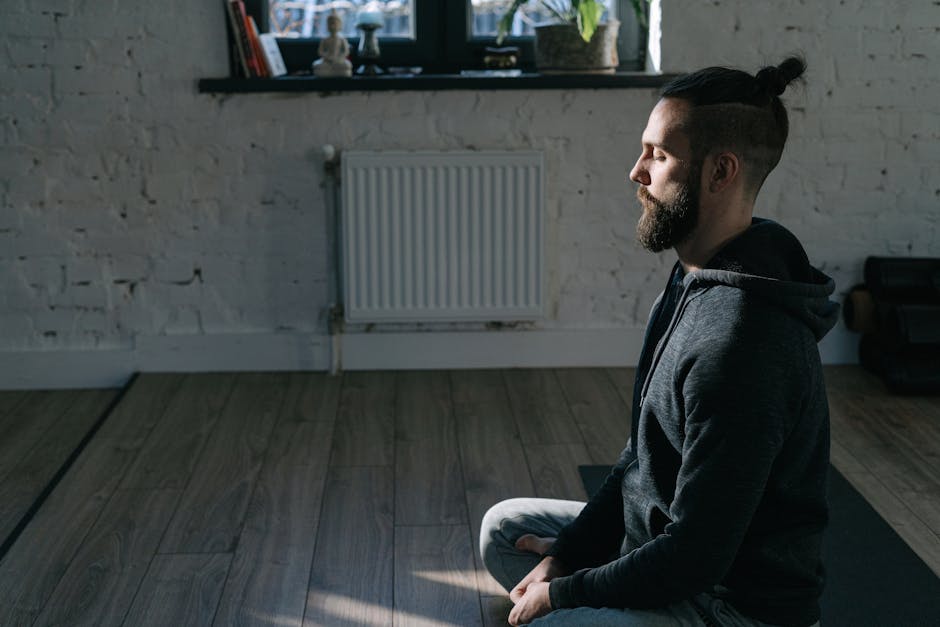
New Cardiology Study Links Box Breathing to Lower Resting Heart Rate
A controlled study published in Frontiers in Psychology found that just six weeks of daily box breathing produced a measurable 4-7 bpm drop in resting heart rate across adult participants. The protocol — 4 seconds inhale, 4 hold, 4 exhale, 4 hold — was easier to adhere to than longer meditation sessions, hinting that ultra-short protocols may be the gateway to wider adoption. If you’re starting fresh, our guide on building a meditation practice from scratch walks through the simplest on-ramp.
Meta-Analysis: Mindfulness Still Beats CBT for Working-Adult Anxiety
A meta-analysis of 31 trials covering more than 4,800 adults found mindfulness-based stress reduction (MBSR) produced a small but statistically significant edge over standard CBT for moderate anxiety in working-age adults. The result, summarized in late-April Springer Mindfulness coverage, reinforces what most employers already suspected: brief group MBSR programs are worth the investment.
Default Mode Network Mapping Goes Mainstream
A new imaging review explained — in plain English — how meditation quiets the brain’s default mode network, the wandering-mind region linked to rumination and self-referential thought. The DMN frame is becoming the dominant explanation for why meditators report a quieter inner monologue.
Youth Meditation Trial Targets Test Anxiety
A randomized trial recruiting 600 high school students kicked off this week to test whether 10-minute pre-exam meditation reduces measurable test-anxiety scores. Results expected late 2026.
Habits, Streaks, and Behavior Change
Identity-Based Habit Framing Gets a Fresh Stamp of Approval
A widely shared LinkedIn essay this week made the rounds reaffirming the identity-based framing research: when adherence is tied to “I am someone who meditates” rather than “I want to feel calmer,” 90-day completion rates jump dramatically. Pair the read with our psychology of habit formation and streaks deep dive.
Streak-App Engagement Surges Going Into Summer
App analytics platforms reported a 14% spike in meditation-app daily active sessions in early May, tied to spring goal-setting cycles. Apps with public streak features are running ahead.
Morning Stack Beats Evening Stack — Again
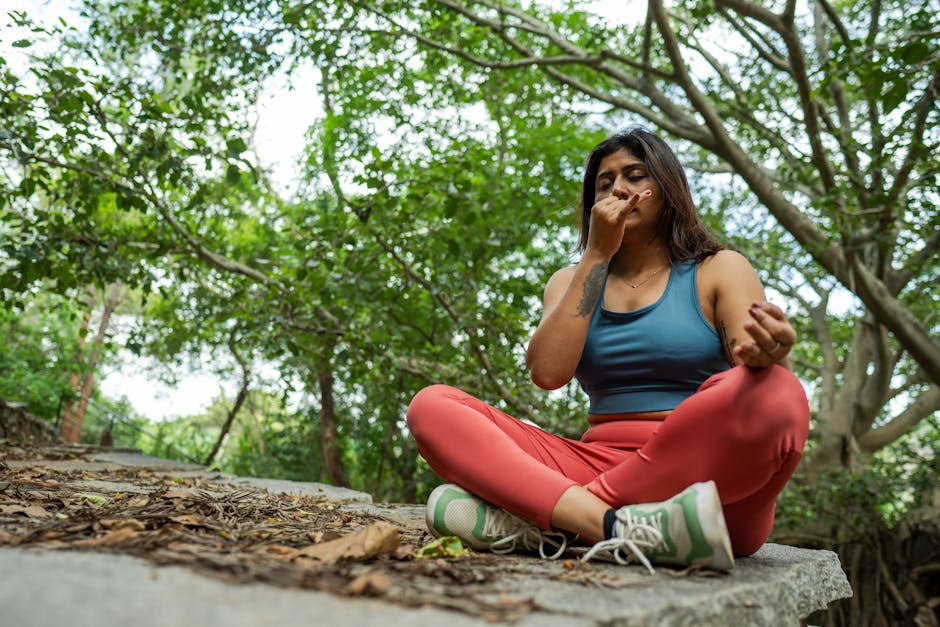
Another wearable-data summary confirmed that morning meditation tied to an existing anchor — coffee, shower, commute — outperforms evening sessions on long-term adherence. Our morning routine habits guide covers the stack.
Accountability Partners Boost 30-Day Retention
Behavior tracker data continues to show accountability partners drive much higher 30-day adherence on meditation goals. The accountability partners and why they work guide breaks down the mechanics.
Digital Wellness, Tools, and Workplaces
Major Employer Roll-Out: Manager-Led Meditation Programs
Three Fortune 500 HR teams announced new partnerships this week with mindfulness vendors that train managers — not just employees — to lead 5-minute team check-ins. Manager-modeled programs continue to outperform bolt-on app perks.
Time-of-Day Locks Expand on iOS and Android
Screen-time apps continued rolling out time-of-day blocking features, pairing well with our screen time management digital detox framework.
Wearable Stress Scores Get a Coach Mode
Two major wearable platforms added “coach mode” overlays this week that nudge users into a 60-second breath session when high-stress windows are detected. Early uptake suggests the in-context nudge is much stickier than scheduled reminders.
Mindful AI Companions Hit a Skeptical Reception
A wave of “AI therapist” apps drew sharp criticism from clinicians this week, with several state psychological associations warning against using LLM-based wellness apps as a substitute for trained care. Expect this debate to dominate the rest of Q2.
Sources
- Frontiers in Psychology — Latest Mindfulness Research
- Mindfulness Journal — Springer
- American Psychological Association — Mindfulness Hub
- Harvard Health — Stress and Meditation
- Mindful.org — News and Research
Frequently Asked Questions
What is the biggest mindfulness news May 2026 story this week?
A controlled cardiology study showing that six weeks of daily box breathing produced a 4-7 bpm drop in resting heart rate, hinting that ultra-short breath protocols may be the most adherable way in.
Does mindfulness really beat CBT for anxiety?
A new meta-analysis of 31 trials and 4,800+ adults found MBSR produced a small but statistically significant edge over standard CBT for moderate anxiety in working-age adults — though both approaches help.
Why does identity-based habit framing work better?
When adherence is tied to “I am someone who meditates” rather than an outcome (“I want to feel calmer”), 90-day completion rates rise sharply because the behavior reinforces the self-concept instead of chasing a future feeling.
Is morning meditation really better than evening?
For long-term adherence, yes. Wearable data continues to show morning sessions tied to an existing anchor (coffee, shower, commute) survive long after evening routines collapse, mostly because evenings are too variable.
Should I use an AI therapist app?
Use them for breath prompts and journaling, not for clinical care. Several state psychological associations warned this week against treating LLM-based apps as a substitute for trained therapists.
