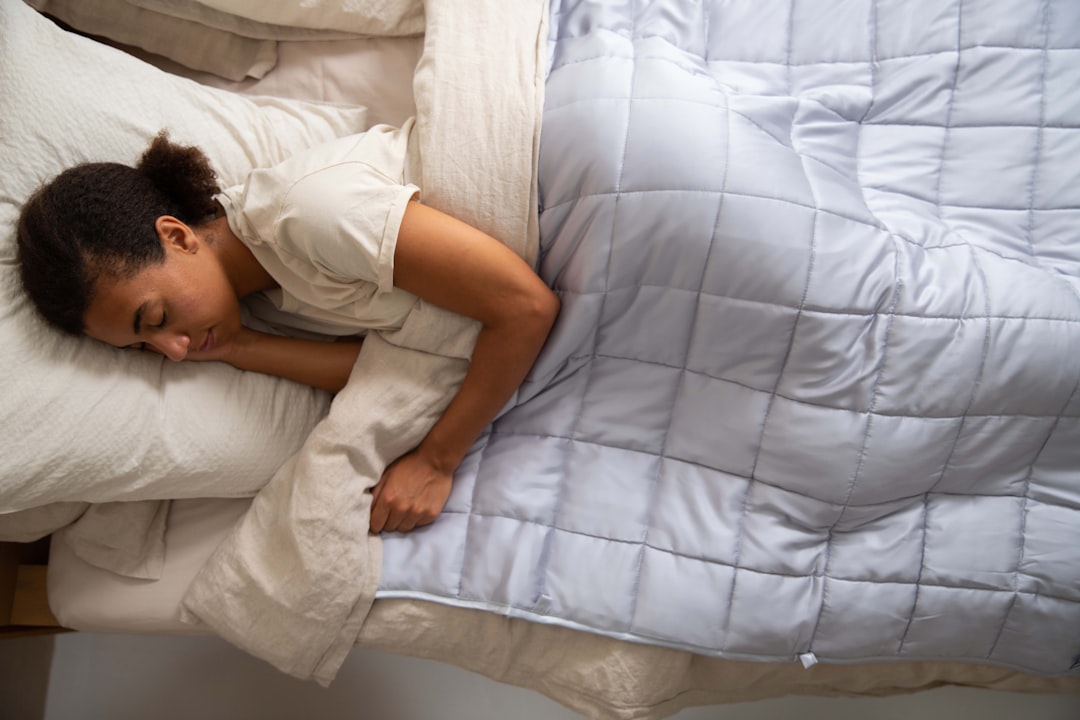
Weighted blankets have gone from occupational-therapy tool to bedroom staple, and a lot of the appeal comes down to a simple promise: the heavier fabric feels like a hug and helps you calm down. But is that feeling backed by anything, or is it just a cozy placebo?
Table of Contents
This guide breaks down what current research actually says about weighted blankets and anxiety, how they’re thought to work, how to choose one, and who should think twice before using one.
Quick Answer
Yes, but modestly. Multiple systematic reviews and meta-analyses of randomized controlled trials have found that weighted blankets produce a small but measurable reduction in anxiety symptoms, particularly for people with existing anxiety, PTSD, or other mental health conditions, with no significant safety concerns reported in those trials. They’re a reasonable low-risk addition to an anxiety toolkit, not a replacement for therapy or medication.
What the Research Actually Shows
Weighted blankets have been studied most in psychiatric and clinical settings. Trials in inpatient psychiatric units have found statistically significant drops in self-reported anxiety after use, and studies in other populations, such as people undergoing chemotherapy, have reported similar calming effects during a single session with the blanket.
Recent systematic reviews pooling this research describe the overall effect on anxiety as real but small to moderate, and more consistent for short-term, in-the-moment anxiety than for treating an anxiety disorder long-term. Reviews have also looked at sleep outcomes and found some evidence that weighted blankets can improve sleep quality and efficiency in people with psychiatric conditions or ADHD, which matters because poor sleep and anxiety tend to feed each other.
Two caveats worth knowing: most trials are relatively small and short, and it’s hard to fully separate the effect of the weight itself from the general comfort of being wrapped in a blanket during a low-stimulation moment. Researchers are still refining how to measure and standardize these effects, which is why you’ll see reviews describe the evidence as ‘promising but limited’ rather than definitive.
How They’re Thought to Work
The leading explanation is deep pressure stimulation (DPS): the gentle, even pressure of a heavy blanket is believed to activate the parasympathetic nervous system, the branch responsible for shifting the body out of ‘fight or flight’ and into a calmer, ‘rest and digest’ state. This is the same principle behind swaddling infants, weighted vests used in occupational therapy, and firm hugs.
The theory is that this pressure can lower physiological arousal, things like heart rate and muscle tension, which in turn reduces the felt sense of anxiety. It’s a plausible and well-established mechanism from sensory-processing research, even though the anxiety-specific evidence in adults is still developing.
Choosing and Using One Safely
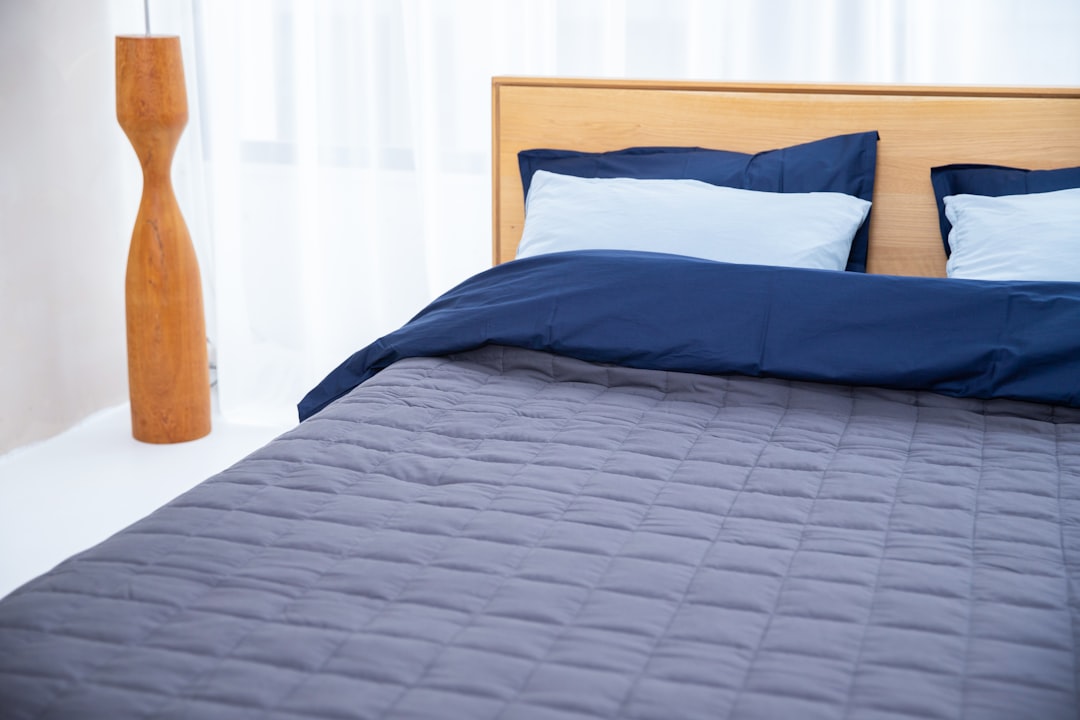
The standard sizing guideline is about 10% of your body weight, plus a pound or two. So a 150-pound person would typically look at a 15- to 17-pound blanket; most commercial weighted blankets range from about 5 to 30 pounds. Go lighter if you run hot, share a bed, or are trying weighted blankets for the first time, since you can always size up.
For anxiety specifically, using the blanket during a wind-down routine, while reading, meditating, or right before sleep, tends to work better than expecting it to resolve anxiety in the moment it spikes. Pair it with, not instead of, other tools like breathing exercises, therapy, or medication if those are already part of your plan.
Weighted blankets are not recommended for infants or toddlers under about 3 years old; the American Academy of Pediatrics specifically warns against weighted sleep products for babies due to suffocation and SIDS risk. People with sleep apnea, other respiratory conditions, poor circulation, or limited mobility should check with a doctor first, since a heavy blanket can make breathing or self-repositioning harder.
Tips and Common Mistakes
Don’t buy the heaviest option assuming ‘more pressure, more calm’ — going well above the 10%-of-body-weight guideline is more likely to feel restrictive than soothing. Check the fabric before buying if you sleep hot; cooling or breathable covers exist specifically because standard glass-bead or poly-pellet fills can trap heat. If you’re buying for a child, look for a blanket sized and weighted for kids rather than cutting down an adult one, and always consult a pediatrician first. Finally, treat a weighted blanket as one part of an anxiety-management routine, not a standalone fix — the research supports it as a helpful add-on, not a proven treatment on its own.
Explore more: more mental health guides.
Weighted blankets for anxiety FAQs
Can a weighted blanket replace anxiety medication or therapy?
No. Research supports weighted blankets as a modest, low-risk complement to anxiety management, not a replacement for professional treatment like therapy or prescribed medication.
How heavy should my weighted blanket be?
A common guideline is about 10% of your body weight plus one to two pounds, though personal comfort matters more than hitting an exact number.
Are weighted blankets safe for kids?
They’re not recommended for infants or toddlers under about 3 due to suffocation risk, and the AAP specifically advises against weighted sleep products for babies. Older children can use appropriately sized, lighter weighted blankets, ideally with a doctor’s input.
Do weighted blankets help with sleep as well as anxiety?
Some studies, particularly in people with psychiatric conditions or ADHD, have found improved sleep quality and efficiency with weighted blanket use, which can indirectly help with anxiety since poor sleep tends to worsen it.
Build Better Habits With ZenDuel
Track your habits and mood, stay accountable, and build a calmer routine — get the ZenDuel app. Get ZenDuel.
Want a calmer inbox? Subscribe to the free newsletter.
Photo by Slaapwijsheid.nl on Unsplash.