Walk into meditation as a beginner and you’ll immediately hit a wall of options: mindfulness, body scan, loving-kindness, transcendental, mantra, breathwork, walking meditation, and more. Most people quit before they start simply because they can’t decide where to begin, or they pick a style that doesn’t fit their personality and assume meditation “isn’t for them.”
Table of Contents
The truth is there’s no single best style, only the one that matches what you’re trying to fix (stress, sleep, focus, self-criticism) and how your mind naturally works. This guide walks through the main beginner-friendly styles, how to match one to your goal, and how to actually stick with it long enough to know if it’s working.
Quick Answer
If you’re brand new, start with a short guided mindfulness-of-breath or body scan session (5-10 minutes). Both use simple, concrete instructions your mind can follow even when it’s restless, which makes them the easiest entry point before you branch into more specific styles like loving-kindness or mantra meditation.
The Main Beginner-Friendly Styles
Mindfulness meditation asks you to rest your attention on something happening right now, usually the physical sensation of the breath, and gently bring your focus back each time it wanders. It’s the most researched and widely taught style, and it’s flexible enough to do in two minutes or twenty, which makes it a strong default if you’re not sure where to start.
Body scan meditation guides your attention slowly through the body, from your toes to the top of your head, noticing tension or sensation without trying to change anything. It’s especially good if your mind is too busy to sit with the breath alone, or if you’re using meditation to unwind before sleep, since the structured, step-by-step nature gives a wandering mind something concrete to do.
Loving-kindness (metta) meditation has you silently repeat phrases of goodwill, first toward yourself, then toward people you love, then toward neutral people, and eventually toward people you find difficult. Research on this style consistently points to it boosting feelings of warmth and connection, so it’s a good fit if your goal is less about calming down and more about softening self-criticism or improving how you relate to others.
Mantra-based meditation, including Transcendental Meditation (TM), involves silently repeating a word or sound to help the mind settle. TM specifically is taught in a structured format by certified instructors and typically uses a personal mantra, so it’s less of a free “try it on YouTube” style and more of a commitment if you want to learn it properly.
Walking meditation and other movement-based practices pair slow, deliberate movement with present-moment attention. These are worth trying if sitting still makes you fidgety or anxious, since they give restless energy somewhere to go while you build the attention-focusing skill that underlies every style.
How to Match a Style to Your Goal
Start with your actual problem instead of the “best” style in general. If you want to fall asleep faster or release physical tension, body scan is the most direct fit. If you’re anxious or scattered during the day, short mindfulness-of-breath sessions give you a portable tool you can use anywhere. If you’re dealing with self-criticism, resentment, or feeling disconnected from people, loving-kindness meditation targets that more directly than a breath-focused practice does.
Also factor in your temperament. If instructions with lots of open-ended silence make your mind spiral, choose a style with more structure, like a guided body scan or mantra repetition. If you find rigid instructions annoying, mindfulness or open-awareness styles give you more room to just notice what’s happening.
Give any style at least one to two weeks of short daily sessions (5-10 minutes) before judging it. The first few sessions of almost every style feel awkward or boring; that’s the mind adjusting, not a sign the style is wrong for you.

Tips and Common Mistakes
Don’t start with long sessions. A consistent 5-minute daily practice beats a single 30-minute session you never repeat. Use a guided audio or app for your first few weeks rather than sitting in total silence, since having a voice to follow removes a lot of the early-stage guesswork about what you’re “supposed” to be doing.
Don’t treat a wandering mind as failure. Noticing that you drifted off and gently returning your attention is the actual exercise, not a sign you’re bad at meditating. Also avoid style-hopping every few days; switching styles constantly makes it hard to tell whether a technique isn’t working for you or you just haven’t given it enough time.
Finally, meditate at a consistent time (right after waking or right before bed works well for most people) so it becomes a habit tied to an existing routine instead of one more thing you have to remember to do.
Explore more: Explore more meditation guides.
Choosing a meditation style as a beginner FAQs
What is the easiest meditation style for a complete beginner?
Guided mindfulness-of-breath or body scan meditation are generally the easiest starting points because the instructions are simple, concrete, and easy to follow even when your mind is restless.
How long should a beginner meditate each day?
Five to ten minutes a day is a reasonable starting point. Consistency matters far more than session length when you’re building the habit.
Do I need an app or teacher to start meditating?
No, but a guided audio track or app makes the first few weeks easier by removing the guesswork of what to do next. Structured styles like Transcendental Meditation do require a certified instructor if you want to learn them properly.
Can I switch meditation styles once I’ve started?
Yes, and many people eventually mix styles depending on their mood or goal for the day. Just give each style at least one to two weeks before deciding it isn’t working, so you’re judging the technique and not just the awkwardness of being new.
Build Better Habits With ZenDuel
Track your habits and mood, stay accountable, and build a calmer routine — get the ZenDuel app. Get ZenDuel.
Want a calmer inbox? Subscribe to the free newsletter.
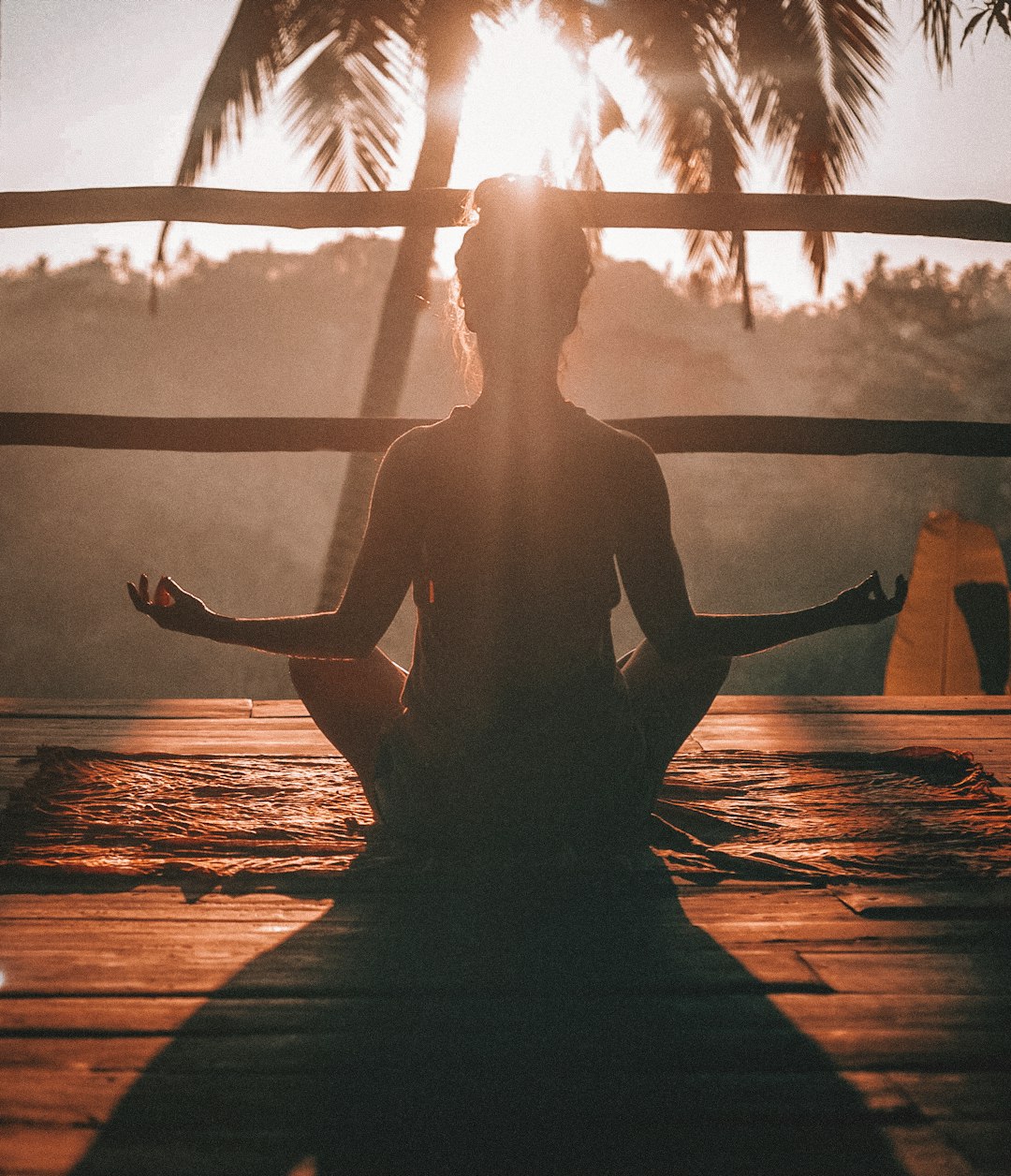
Photo by Jared Rice on Unsplash.