Mental wellness is commanding some of the most compelling headlines in science and practice this week — from a Johns Hopkins finding that rewrites a century of habit theory to landmark APA journal research declaring digital therapeutics a mainstream clinical tool. Here is every story worth knowing as we enter the second half of 2026.
Table of Contents
Mindfulness & Meditation Research
Meditation Apps Proven Effective in Landmark American Psychologist Review
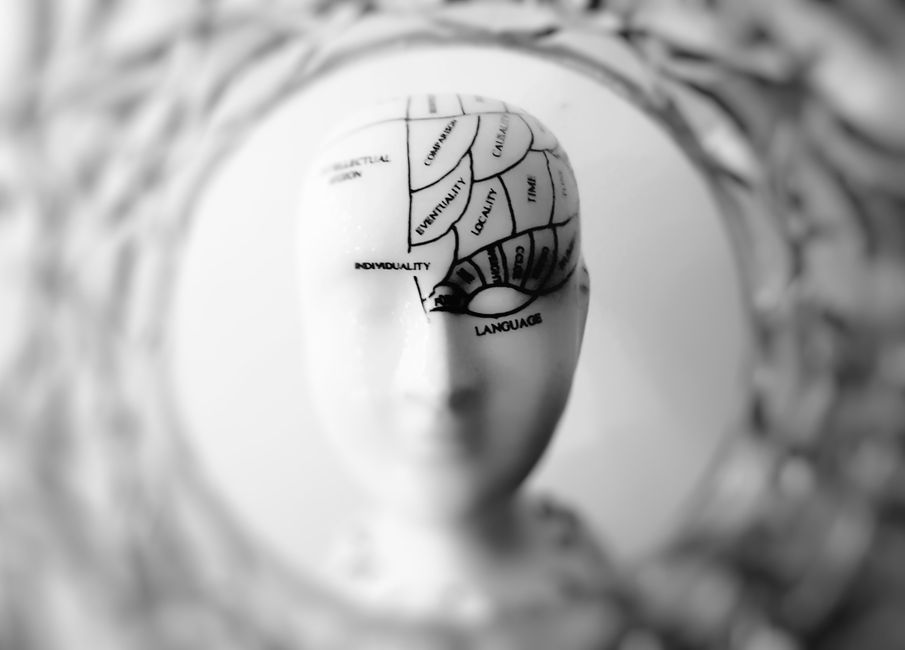
A sweeping analysis published in American Psychologist, led by J. David Creswell of Carnegie Mellon University and Simon Goldberg of the University of Wisconsin–Madison, reviewed evidence across the top 10 meditation apps — downloaded more than 300 million times collectively. Regular use was found to measurably reduce anxiety, depression, and stress, improve sleep quality, and even influence gene expression related to inflammation. Researchers also called for clinical-trial standards matching those applied to behavioral therapy. Building a consistent practice is the foundation; our guide to the 4-7-8 breathing technique for beginners offers a no-app entry point grounded in the same evidence base.
2026 Meditation Practice Report: 62% Meditate Daily, Distraction Is Now the Biggest Barrier
The 2026 Meditation Practice Report from Mindful Leader surveyed 272 practitioners in spring 2026, finding that 61.6% meditate daily and that 10–20-minute morning sessions dominate. The most striking result: the top barrier has shifted from motivation to distraction, cited by 32.7% of respondents. The finding signals that in today’s attention economy, environmental design — phone-free zones, deliberate cue-setting — may matter as much as any instruction in sustaining a mindfulness practice.
SLEEP 2026 Annual Meeting Spotlights the Anxiety-Insomnia Feedback Loop
The 40th Annual Meeting of the Associated Professional Sleep Societies, held June 14–17 in Baltimore, surfaced new research on sleep’s bidirectional relationship with mental wellness. A standout population-based study found that poor sleep patterns in young adults aged 18–35 significantly elevated risk for both major depressive episodes and generalized anxiety disorder — reinforcing sleep hygiene as a core pillar of any mindfulness-based care plan, not merely a lifestyle issue.
MBSR Cuts Burnout and Distress in Healthcare Workers, Study Confirms
A 2026 study published in Workplace Health & Safety (SAGE Journals) examined an 8-week Mindfulness-Based Stress Reduction program among care workers in Turkish nursing homes and found significant reductions in psychological distress alongside improved job satisfaction. The results add institutional weight to MBSR as a scalable organizational intervention rather than just a personal practice. If burnout has already taken hold, our deep-dive on how to recover from burnout when you have nothing left covers the recovery arc from depletion to stability.
Study: Meditators Rate Human-Created Exercises Higher Than AI — Even When Content Is Identical
A 2026 study tracked by the American Mindfulness Research Association found that practitioners rate meditation exercises significantly higher when they believe a human created them — even when AI-generated content is objectively identical. The finding introduces a trust gap that the booming AI wellness app category will need to address directly: perceived authenticity appears to drive outcomes alongside content quality, raising questions for developers of AI-guided mental wellness tools.
Habit & Behavior Science
Johns Hopkins: Habits Don’t Build Gradually — They Switch On All at Once
A landmark paper published June 3, 2026 in Nature Communications by Johns Hopkins University researchers overturned more than a century of habit theory. Rather than forming slowly through repetition, habitual behavior appears to emerge as a sudden phase change — the brain flips from deliberate choice to automatic action rather than fading gradually into it. The discovery implicates a specific brain region in this transition, pointing toward potential interventions for breaking harmful habits and cementing healthier ones in far less time than the conventional 21-to-66-day estimates suggested.
65% of Your Day Runs on Autopilot — And That Can Be a Feature, Not a Bug
A March 2026 study highlighted by ScienceDaily found that roughly 65% of everyday behaviors are triggered automatically by habit rather than conscious decision-making — and many of those automatic behaviors actively serve personal goals. The research reframes the autopilot question: rather than trying to eliminate habitual behavior, the highest-leverage move is intentionally architecting which behaviors get automated. Pairing this insight with the implementation intentions method — the if-then formula that pre-loads decisions — gives that architecture a practical structure proven to increase follow-through.
APA July 2026 Journals Publish Pivotal Digital Therapeutics Research
The American Psychiatric Association released its July 2026 editions of four flagship journals — The American Journal of Psychiatry, Psychiatric Services, the American Journal of Psychotherapy, and Psychiatric Research and Clinical Practice — with prominent focus on digital therapeutics, rural telehealth, and substance use patterns. A key commentary addressed FDA and CMS regulatory frameworks for prescription digital tools, marking a turning point as app-based mental wellness interventions shift from consumer products to reimbursable clinical care. The American Journal of Psychiatry also published research on social determinants of mental health and biopsychosocial approaches to precision care.
Stanford Launches Precision Mental Health Commission to Rewrite Depression and Anxiety Diagnosis
Stanford Medicine, in partnership with Nature Mental Health, launched the Commission on Precision Mental Health in May 2026, led by neuroscientist Leanne Williams, PhD. The commission’s goal is to replace symptom-based DSM categories with brain-circuit “biotypes” — distinct patterns of functional MRI activity correlating with specific subtypes of depression, anxiety, bipolar disorder, and schizophrenia. The initiative aims to bring the same data-driven targeting to mental health diagnosis that oncology uses for cancer treatment, fundamentally changing how clinicians match patients to interventions.
Mental Wellness Trends
Neurowellness Named the Top Wellness Trend of 2026 by Global Wellness Summit
The Global Wellness Summit has named neurowellness — the deliberate regulation of the nervous system through both technology and practice — the defining wellness movement of 2026. The category spans hard-care devices (vagus nerve stimulators, EEG sleep headbands, home tDCS units) and soft-care practices (breathwork, somatic movement, cold exposure, humming). A June 21 Forbes feature found that 68% of U.S. adults experience daily stress, explaining the surge in demand for regulation-first mental wellness tools. Our box breathing for anxiety guide covers the 4-4-4-4 technique — a high-evidence, zero-cost entry into nervous system regulation.
Gut-Brain Axis Research Moves From Theory to Precision Application
Multiple peer-reviewed papers published through mid-2026 — including reviews in Frontiers in Microbiomes and Molecular Neurobiology — are advancing gut-brain science from general hypothesis to targeted intervention. Researchers have identified specific microbial signatures associated with higher rates of anxiety, depression, and cognitive decline: reduced gut microbiome diversity, lower short-chain fatty acid production, and elevated neuroinflammation. Probiotics, dietary interventions, and fecal microbiota transplantation are entering early-stage clinical trials explicitly targeting mental health outcomes, signaling the arrival of precision gut-brain medicine.
79% of U.S. Adults Now Rank Mental Health Equal to or Above Physical Health
A 2026 Global Wellness Institute analysis found that 79% of U.S. adults rate mental wellness as equally or more important than physical health — a cultural shift now being reflected in employer benefit packages, telehealth adoption curves, and consumer spending on wellness platforms. With 62.3% of telehealth claims in early 2025 carrying a mental health diagnosis, mental healthcare is no longer a niche but a structural priority in how people access care. The data marks a decisive generational turn that is reshaping the entire wellness industry.
CBT App Market Tops $9.7 Billion as Digital Therapy Goes Clinical
The global cognitive behavioral therapy tools market reached $9.7 billion in 2026, up from $8.47 billion in 2025, driven by apps with peer-reviewed clinical backing — such as Woebot for anxiety rooted in thought patterns and Online-Therapy.com’s comprehensive 8-module CBT platform. Insurers and employers are increasingly covering evidence-based CBT apps as structured clinical interventions rather than optional wellness products, marking the inflection point where digital mental wellness care becomes a standard line item in healthcare benefits rather than a consumer experiment.
Sources
- Johns Hopkins Hub — Habits form far faster than science previously thought, research shows
- UW–Madison School of Education — Study finds meditation apps boost mental health, have room to improve
- American Psychiatric Association — July 2026 Issues of APA Journals Feature New Research on Digital Therapeutics
- Global Wellness Summit — Neurowellness: One of the Biggest Wellness Trends of 2026
- Mindful Leader — 2026 Meditation Practice Report
Frequently Asked Questions
How fast do habits actually form, according to the latest 2026 research?
A June 2026 Johns Hopkins study published in Nature Communications found that habits may form far faster than the traditional 21-to-66-day range suggests. Rather than building gradually, habitual behavior appears to switch on all at once — the brain transitions from deliberate choice to automatic action in a sudden phase change once a threshold of repetition is crossed.
Do meditation apps actually work, or is the effectiveness overstated?
A peer-reviewed analysis published in American Psychologist, led by Carnegie Mellon and UW–Madison researchers, found that regular use of meditation apps meaningfully reduces anxiety, depression, and stress, improves sleep, and even influences inflammation-related gene expression. The top 10 apps have over 300 million downloads collectively. Researchers do call for more standardized clinical testing to close remaining evidence gaps.
What is neurowellness and why is it the top wellness trend of 2026?
Neurowellness is the proactive, deliberate regulation of the nervous system — before breakdown rather than in response to it. It spans technology-based tools (vagus nerve stimulators, EEG headbands, home tDCS devices) and low-tech practices (breathwork, somatic movement, cold exposure). The Global Wellness Summit named it the top wellness trend of 2026, driven by data showing 68% of U.S. adults experience daily stress.
What is the gut-brain axis and how does it connect to mental wellness?
The gut-brain axis is a two-way communication system between the gastrointestinal system and the brain. Research published through mid-2026 shows that specific gut microbiome patterns — low microbial diversity, reduced short-chain fatty acids, elevated neuroinflammation — are independently associated with higher rates of anxiety, depression, and cognitive decline. Probiotics and dietary interventions are now entering clinical trials that specifically target mental health outcomes.
How are digital therapeutics changing mental health care access in 2026?
The July 2026 APA journal releases mark a regulatory inflection point: FDA and CMS are being called on to formalize frameworks for prescription digital therapeutics — app-based CBT and mindfulness tools functioning as reimbursable clinical interventions. With the CBT app market at $9.7 billion and growing, and insurers beginning to cover evidence-based apps alongside traditional therapy, digital mental wellness care is entering the clinical mainstream rather than remaining a consumer lifestyle product.