Walking meditation is a movement-based mindfulness practice that turns ordinary walking into a portable tool for awareness, stress reduction, and mental clarity. Unlike seated meditation, which can feel restrictive for restless minds and bodies, walking meditation channels physical motion into the practice rather than fighting against it. The technique has roots in Zen and Theravada Buddhist traditions but is now widely used in secular settings, from hospital recovery programs to corporate mindfulness training. The practice requires no special equipment, fits into your existing schedule, and works in any environment from a quiet hallway to a city sidewalk.
Table of Contents
Why Walking Meditation Works So Well
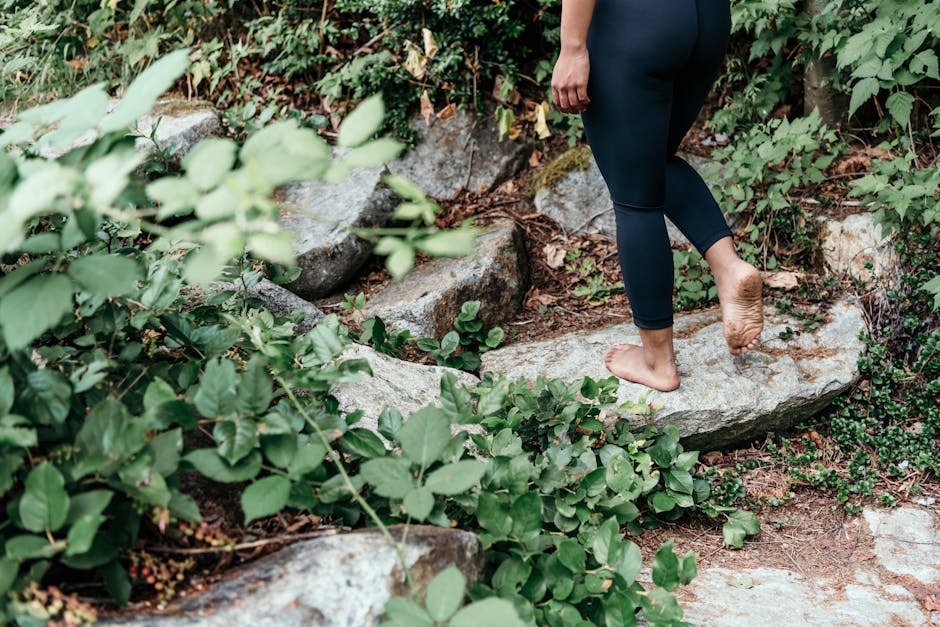
Walking meditation engages two anchors at once: the rhythm of your steps and the sensations in your feet. This double anchor makes it easier to stay present than breath-only meditation, especially for people who have struggled to sit still. The gentle physical movement also discharges the low-grade nervous system activation that often makes seated practice frustrating.
Research summarized by Mindful.org shows that even short walking meditation sessions reduce cortisol, improve mood, and increase parasympathetic activation. A 15-minute walking meditation produces benefits comparable to a 20-minute seated session for many practitioners.
The Slow-Pace Formal Practice
The traditional walking meditation pace is roughly half normal walking speed. You take slow, deliberate steps in a quiet hallway or path, often back and forth across a 10-to-20-foot distance. At each step, you notice the lifting of the foot, the moving forward, and the placing back down.
This slow practice can feel strange at first, even silly. That awkwardness is part of the training. Slowing down disrupts the autopilot of normal walking and forces full attention. Try 10 minutes for your first session and resist the urge to speed up. The slowness is the practice.
Everyday Walking Meditation
Most people will not do formal slow walking meditation regularly, and that is fine. The bigger opportunity is bringing meditation quality to walks you already take: from the car to the office, from your desk to the bathroom, on lunch breaks, with the dog. These short walks are wasted opportunities for most adults, who use them to scroll or rehearse worries.
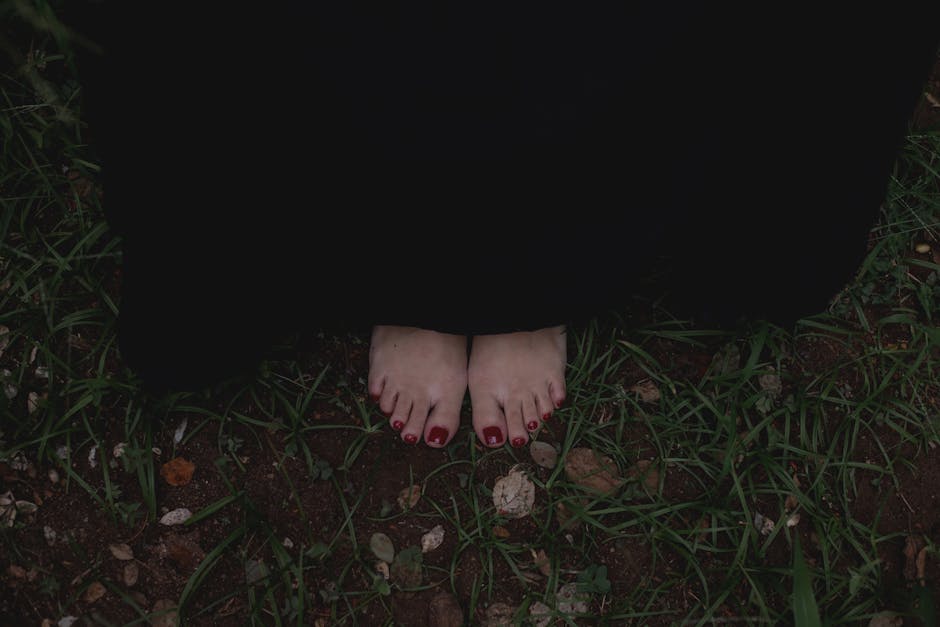
To practice during everyday walks, simply notice your feet contacting the ground for the first 10 steps, your breath for the next 10, and the sounds around you for the next 10. This rotation keeps your attention engaged without rigidity. It pairs naturally with other small practices in our piece on digital wellness and using your phone for mindfulness.
Walking Meditation Outdoors
Outdoor walking meditation adds the benefit of natural light, varied terrain, and exposure to weather and seasons. According to research published by the National Institutes of Health, time in natural settings reduces rumination and lowers activity in brain regions associated with depression and anxiety.
When practicing outdoors, choose a route that is safe enough that you can soften your visual focus. Heavy traffic and crowded sidewalks make it hard to drop into the meditative state. Parks, quiet residential streets, or nature trails work best. Notice the temperature on your skin, the sounds in the distance, the sensation of air moving in and out of your lungs.
Building Walking Meditation Into Your Week
Aim for three to five walking meditation sessions per week, even short ones. Five minutes counts. The consistency matters more than session length. You can also combine walking meditation with other transitions you already make in your day: the walk to a meeting, the trip to refill your water, the hallway between tasks.
Walking meditation is particularly useful when you cannot sit still. On agitated, anxious, or restless days, sitting often makes things worse. Walking gives the body an outlet while still training the mind. Many practitioners eventually find that walking meditation becomes their primary practice, with seated meditation reserved for specific moments. There is no hierarchy, and the best practice is the one you actually do. Pair this with the broader habit-building approach in habit stacking to anchor walking meditation reliably to existing routines.
Frequently Asked Questions
How fast should I walk during walking meditation?
Formal practice uses very slow steps, about half normal walking pace. Everyday walking meditation can be at your normal pace with deliberate attention.
Can I do walking meditation in a city?
Yes, but choose quieter streets or parks. Heavy traffic and crowds make it harder to maintain meditative attention.
How long should a walking meditation session be?
Five to fifteen minutes is enough for daily benefit. Formal practices in retreats often run 30 to 60 minutes.
Should I close my eyes?
No. Walking meditation always uses open, soft eyes. Looking down a few feet ahead works well for most practitioners.
Can walking meditation replace seated meditation?
For many people, yes. There is no requirement to do seated practice. Walking meditation produces comparable benefits when practiced consistently.
