Burnout rarely shows up as one bad day — it builds slowly through weeks of low-grade exhaustion, growing cynicism, and a creeping sense that nothing you do at work matters anymore. The problem is that when you’re in it, it’s hard to tell the difference between a rough patch and a real downward trend. A mood tracker fixes that by turning vague feelings into numbers and notes you can actually look back on.
Table of Contents
This guide walks through a simple system for tracking your mood, energy, and job satisfaction over time, including exactly what to log, how often, and how to read the patterns once you have some data built up. We’ll also cover the printable tracker layout (plus a spreadsheet version) you can start using today.
Quick Answer
The most useful work mood tracker combines a 30-second daily log (mood, energy, biggest stressor) with a weekly check-in on the three things that actually define burnout — exhaustion, cynicism or detachment, and reduced effectiveness — plus an overall job satisfaction rating. There’s no single research-backed number of weeks that proves burnout; what matters is logging consistently long enough to see a trend rather than judging yourself off one bad stretch.
How to Set Up Your Tracking Routine
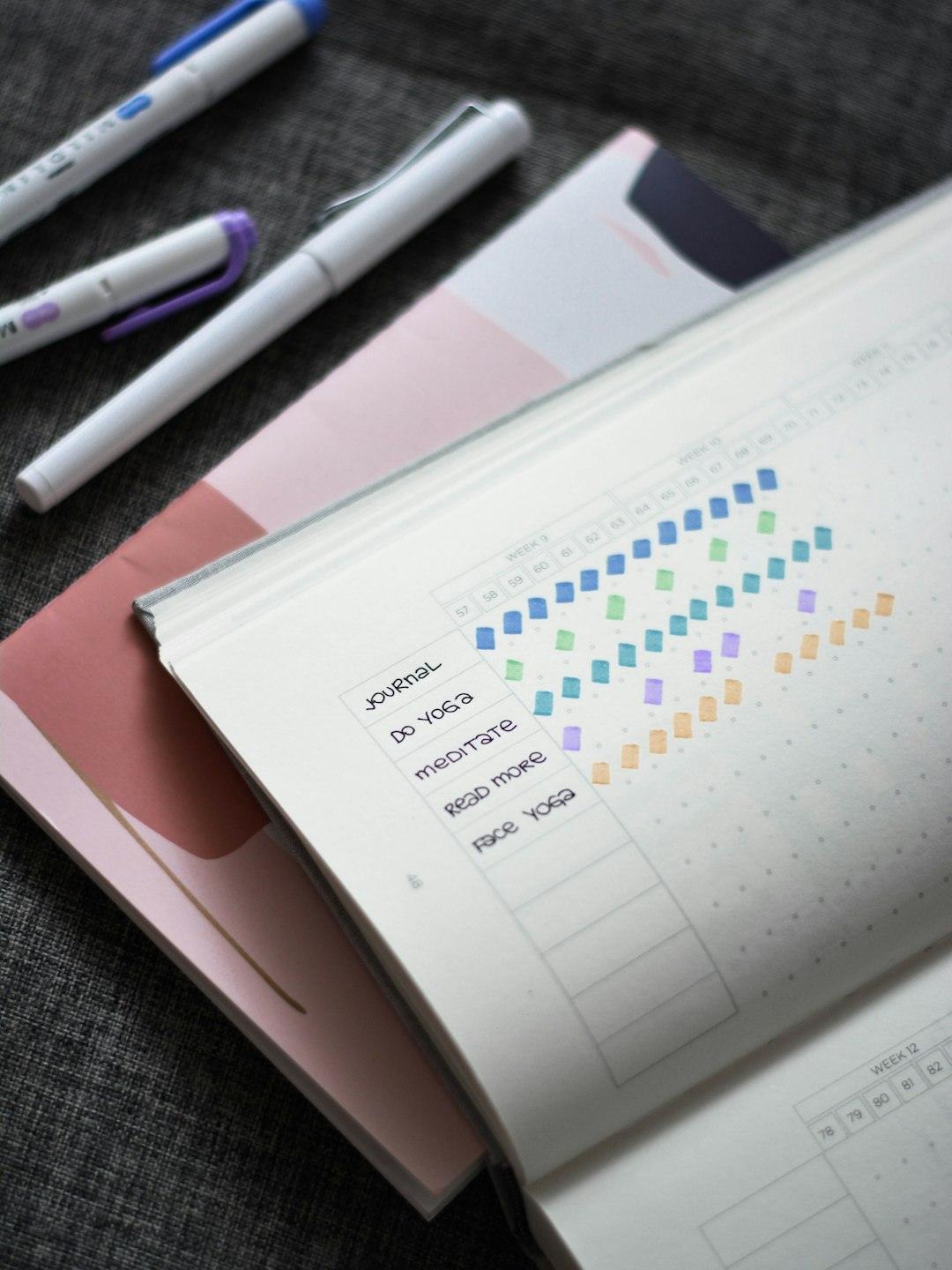
Start with a daily log you fill out in under a minute, ideally at the end of your workday while it’s fresh. Record the date, a mood rating (1-10), an energy rating (1-10), how many hours you slept, your single biggest stressor of the day, and one win or highlight — even a small one. The win column matters as much as the stressor column; over time it tells you whether good days are still happening or have quietly disappeared.
Once a week, do a slightly deeper check-in using the same three dimensions the World Health Organization uses to describe burnout as an occupational phenomenon: energy depletion/exhaustion, increased mental distance or cynicism toward your work, and reduced sense of effectiveness. Rate each 1-5 (1 = not at all, 5 = severely), then add an overall job satisfaction score from 1-10 and a short note on what changed that week — a deadline, a hard conversation, a vacation, a new manager.
At the end of each month, look at direction rather than any single score. A bad week that bounces back is normal stress. Exhaustion and cynicism climbing while efficacy and satisfaction keep slipping across several consecutive weeks is the pattern worth taking seriously — there’s no fixed number of weeks that officially confirms burnout, so treat a sustained, worsening trend as the signal rather than waiting for a specific date on the calendar.
What the Tracker Should Look Like
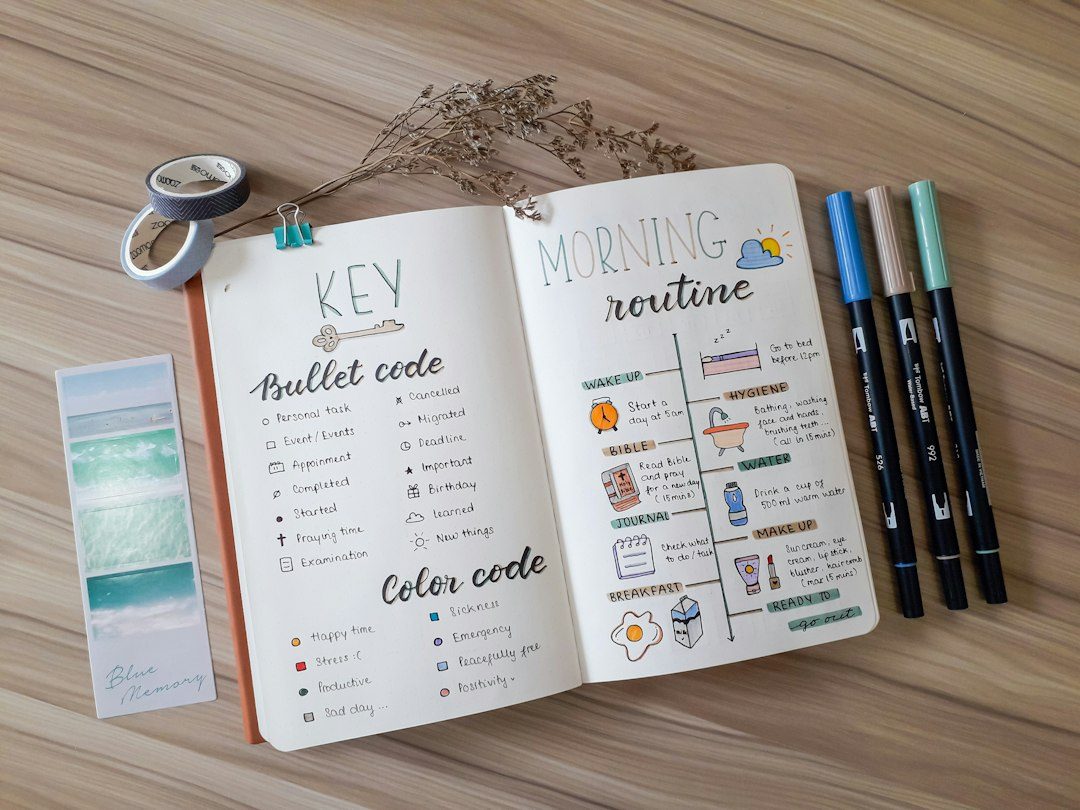
A printable layout that works well has three parts. The first is a daily log grid with one row per day and columns for Date, Mood (1-10), Energy (1-10), Sleep (hours), Biggest Stressor, and One Win — sized for about two weeks per sheet so a month fits on two pages.
The second is a weekly burnout check-in table, one row per week, with columns for Week Of, Exhaustion (1-5), Cynicism/Detachment (1-5), Efficacy (1-5, where lower is worse), Job Satisfaction (1-10), and a Notes column wide enough for a sentence or two about what drove the week.
The third is a monthly trend summary — a small grid or blank graph area where you plot your weekly averages against each other across up to three months, plus two short prompts: ‘Patterns I’m noticing’ and ‘One change to try next month.’ If you prefer a spreadsheet, the same columns work there too, with the advantage that you can add simple averages or color formatting so a run of low scores is visible at a glance.
Tips and Common Mistakes
Log at the same time each day so your entries are comparable — end-of-workday is usually easiest since the day is still fresh but you’ve had a moment to decompress. Always pair your mood number with context (workload, sleep, a specific meeting or deadline); a number alone doesn’t tell you what to fix, but a number next to ‘back-to-back meetings, 5 hours of sleep’ does.
Start tracking before things feel bad, not after. A baseline from your normal weeks is what makes a bad stretch visible as a deviation rather than just ‘how work feels now.’ Keep the tracker short enough that you’ll actually fill it in — a handful of columns beats twenty fields you abandon after a week.
Be honest on the efficacy rating in particular; it’s often the dimension people underreport because admitting you feel less capable than usual is uncomfortable. And treat a sustained low trend as a signal to act — talk to your manager, HR, or a mental health professional — rather than something to quietly push through.
Explore more: more mental health tracking tools.
Work mood tracker FAQs
How long should I track before I can trust the pattern?
There’s no agreed-upon number of weeks that officially confirms burnout, so don’t wait for a specific deadline. As a practical habit, keep logging consistently and look for a trend — exhaustion, cynicism, and effectiveness all moving the wrong way across multiple weeks in a row — rather than reacting to any single bad day.
Is a mood tracker a replacement for professional help?
No. It’s a self-awareness tool that helps you notice patterns and have a more concrete conversation with a manager, HR, or a therapist — not a diagnosis or treatment on its own.
How is burnout different from normal work stress on the tracker?
Ordinary stress usually ties to a specific event and recovers once that event passes. Burnout shows up as a sustained flat or declining trend across exhaustion, cynicism, and effectiveness that doesn’t bounce back with a weekend off.
Skip the Spreadsheet — Track It in ZenDuel
Habit streaks, mood tracking, and accountability duels in one free app — no template maintenance required. Get ZenDuel.
Want a calmer inbox? Subscribe to the free newsletter.
Photo by Prophsee Journals on Unsplash.