Loving-kindness meditation is a research-backed practice that trains your mind to extend warmth and goodwill toward yourself, your loved ones, and even people you find difficult. Originally rooted in Buddhist psychology and now studied widely in modern neuroscience, this practice offers a simple yet profound way to soften self-criticism, reduce anxiety, and build emotional resilience. If your inner monologue runs harsh or your relationships feel strained, loving-kindness meditation gives you a structured way to retrain those mental patterns. The best part is that you only need 5 to 10 minutes a day to start noticing real shifts in how you treat yourself and others.
Table of Contents
What Loving-Kindness Meditation Actually Is
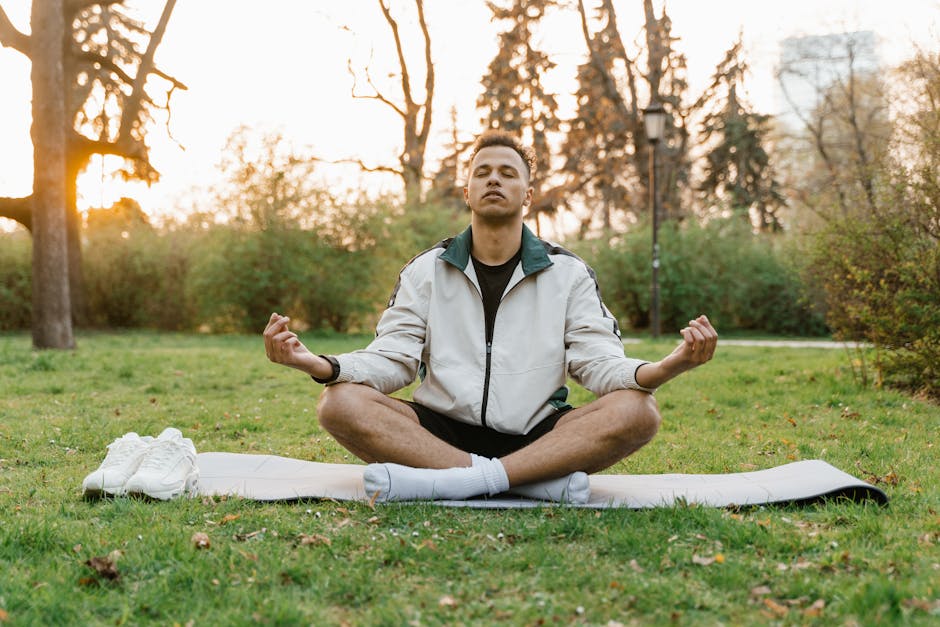
Loving-kindness meditation, sometimes called metta meditation, involves silently repeating phrases of goodwill while bringing specific people to mind. You might say things like “May you be happy, may you be healthy, may you live with ease.” It is not about forcing a feeling. It is about repeatedly directing your attention toward warmth, the way you might direct a flashlight beam in a dark room.
Researchers at Stanford and the University of North Carolina have documented that loving-kindness meditation increases positive emotions, vagal tone, and feelings of social connection. A landmark study published by the National Institutes of Health found measurable improvements in self-compassion and reductions in depressive symptoms after just seven weeks of practice.
Why Self-Directed Compassion Comes First
Most people skip themselves entirely when offering kindness. They send love outward to family and friends but tighten up the moment they try to direct that warmth inward. This is exactly why loving-kindness meditation begins with you. If you cannot extend basic warmth to yourself, the practice becomes a hollow performance.
Start every session with at least two minutes focused only on yourself. This pairs naturally with other reflective practices. If you already keep a journal, you can read more about the proven benefits of journaling for mental health and consider writing down what self-kindness phrases land for you.
The Traditional Five-Stage Sequence
Classical loving-kindness meditation moves through five stages, each lasting one to three minutes. You start with yourself, then progress through a benefactor (someone who has helped you), a neutral person (a stranger you barely know), a difficult person, and finally all beings everywhere. The progression is intentional. Each stage stretches your capacity for compassion a little further.

The difficult-person stage is where most people stumble. You do not have to forgive anyone or excuse harmful behavior. You simply wish them basic well-being, the way you might wish a stranger safe travels. According to Mindful.org, this stage is where the deepest neurological rewiring tends to happen.
Common Obstacles and How to Move Through Them
Numbness is the most common complaint. You repeat the phrases but feel nothing. This is normal and not a sign you are doing it wrong. Loving-kindness meditation is a long arc, not a quick mood lift. Trust the repetition.
Some practitioners feel grief or sadness rise up, especially when directing kindness toward themselves. This is your nervous system relaxing enough to release stored emotion. If it feels overwhelming, shorten your session or work with a therapist alongside your practice. Building the foundational skill of sitting still also helps. If you are still developing that base, our guide on how to build a meditation practice from scratch walks through the first month step by step.
Making Loving-Kindness a Daily Habit
The biggest predictor of benefit is consistency, not duration. Five minutes every day beats thirty minutes once a week. Anchor the practice to an existing routine like morning coffee or the moment you sit down at your desk. Use a simple timer and the same set of phrases each session, since variety dilutes the deepening effect.
Track your sessions for the first month. Most people notice subtle shifts around week three: less reactive, slightly softer self-talk, easier eye contact with strangers. Loving-kindness meditation is one of the most evidence-based mindfulness practices available, and it costs nothing but a few minutes of intentional attention.
Frequently Asked Questions
How long should a loving-kindness meditation session be?
Start with 5 to 10 minutes daily. Longer sessions of 20 to 30 minutes are useful once you have built consistency, but daily short sessions outperform sporadic long ones.
What if I do not feel anything during the practice?
Numbness is completely normal in the first few weeks. The benefits accumulate beneath conscious awareness. Trust the repetition and keep the sessions short enough to stay consistent.
Can I do loving-kindness meditation if I am not religious?
Yes. While the practice has Buddhist origins, modern research treats it as a secular cognitive-emotional training tool. No belief system is required.
Is it normal for difficult emotions to come up?
Yes, especially when directing kindness toward yourself or someone who has hurt you. If emotions feel overwhelming, shorten sessions and consider working with a therapist alongside the practice.
How long until I see real benefits?
Most people notice subtle shifts by week three of daily practice. Documented changes in mood, self-compassion, and social connection typically appear within seven to eight weeks.
