Sitting down to meditate is one thing. Sticking with it for weeks and months is another. The gap between the two is usually motivation, and the fastest way to close that gap is to make your progress visible.
Table of Contents
This guide walks through practical ways to track your meditation practice—apps, journals, and simple streak systems—plus what to actually track beyond just minutes, so the habit keeps paying off instead of fading out after a few weeks.
Quick Answer
Track your meditation practice by logging session length, consistency (a streak or calendar), and a quick note on how you felt before and after. Use a meditation app’s built-in stats for the numbers, and a short journal entry for the reflection—the combination keeps you accountable and shows you why the practice is working, which is what actually sustains motivation over time.
What to Track (and Why It Matters More Than Minutes)
Most people default to tracking only two things: total minutes and current streak. Those are useful, but they don’t tell you whether the practice is actually helping. A more useful set to track includes: session length and time of day, consistency (days per week, not just a raw streak), technique used (breath focus, body scan, loving-kindness, etc.), and a one-line mood or stress rating before and after each sit.
The mood and technique data is what turns tracking into feedback. Over a few weeks you’ll start to see patterns—maybe morning sits leave you calmer for hours, while evening sits mostly help you fall asleep faster. That kind of insight is far more motivating than a streak number alone, because it shows you a concrete reason to keep going.
Keep the logging fast. If tracking takes longer than the meditation itself, you’ll quit the tracking before you quit the practice. A rating from 1-5 and a two-word note (‘felt scattered,’ ‘really calm’) is enough.
Tools: Apps vs. a Simple Journal
Meditation apps like Insight Timer, Calm, and Headspace all track sessions automatically once you use their built-in timer or guided sessions—logging your minutes, current streak, and total time meditated over weeks or months. Insight Timer in particular has a large free library and detailed stats pages; Calm and Headspace lean more toward structured courses with their own progress dashboards. Many of these apps also include streak badges or milestone achievements, which can be a helpful nudge on days you don’t feel like sitting.
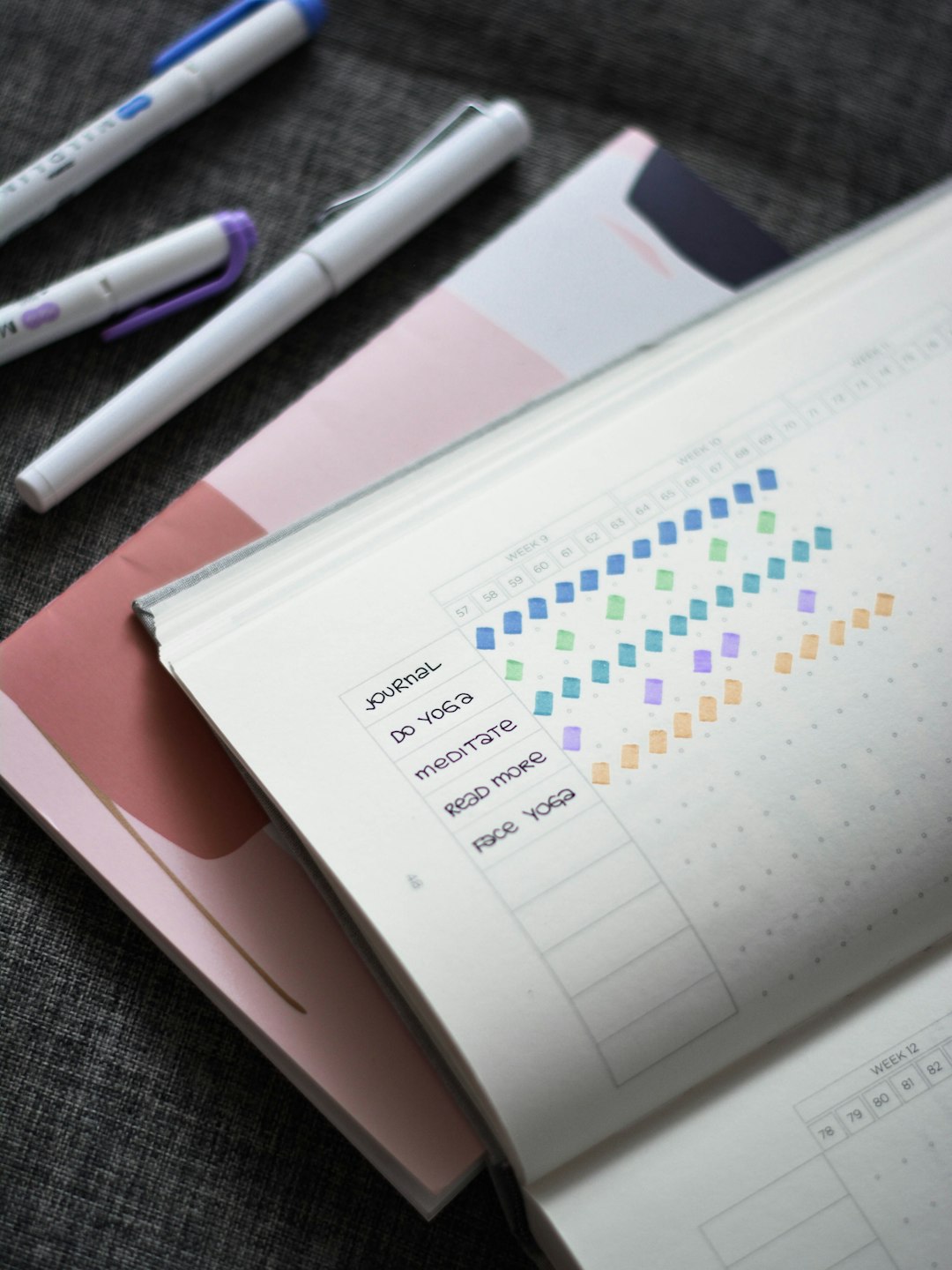
The tradeoff with app-based tracking is that it only captures what happened during the timer—it won’t capture how you felt afterward unless you add a journal note. That’s where a paper or digital journal fills the gap: a simple notebook, a habit-tracker app, or even a recurring calendar note where you jot the date, duration, and a quick reflection.
You don’t have to pick one. A common setup that works well: use an app’s timer for the session itself (so minutes and streaks track automatically), then spend 30 seconds afterward jotting one line in a journal or notes app about how it went. Once a week, skim the week’s entries and note anything that stands out—this weekly review is where most of the actual insight comes from, not the daily logging itself.

Tips and Common Mistakes
Don’t chase a perfect streak. Missing a day and mentally writing off the whole habit (‘I broke my streak, why bother’) is one of the most common reasons people quit. Track consistency over a rolling week or month instead of an unbroken chain, so one missed day doesn’t feel like failure.
Set a minimum viable session. On busy or low-motivation days, a 3-5 minute sit still counts and still gets logged. Tracking a short session as a ‘win’ keeps the habit alive on hard days, which matters more for long-term consistency than any single long session.
Review your log, don’t just fill it. The value of tracking comes from occasionally looking back—weekly or monthly—to notice trends in mood, sleep, or stress. A tracker nobody reviews is just data entry.
Avoid over-tracking. If you’re logging five different metrics and it starts to feel like a chore, cut it back to the two or three that actually change your behavior—usually consistency and how you felt afterward.
Pair tracking with a cue, not just a reminder. A streak notification is a nudge, but pairing meditation with an existing habit (after brushing your teeth, before your first coffee) tends to build consistency faster than notifications alone.
Explore more: more meditation guides.
Tracking meditation progress FAQs
What’s the best way to track meditation progress without an app?
A simple notebook or notes app works fine: log the date, session length, and a one-line note on how you felt before and after. A basic wall calendar where you mark an X for each day you meditate also works well for visualizing consistency.
Should I focus on tracking minutes or tracking consistency?
Consistency matters more for building the habit. A short daily session tracked and completed regularly builds the habit faster than occasional long sessions, and it’s easier to sustain motivation when you’re hitting a doable daily target.
Do meditation apps automatically track my streaks?
Yes—most major apps, including Insight Timer, Calm, and Headspace, automatically log session length and streaks whenever you use their built-in timer or guided sessions, and display that history on a stats or progress page in the app.
What should I do if I break my streak?
Just restart the next day rather than treating it as a failure. Tracking consistency over a rolling week or month, rather than an unbroken streak, makes an occasional missed day much less discouraging.
Build Better Habits With ZenDuel
Track your habits and mood, stay accountable, and build a calmer routine — get the ZenDuel app. Get ZenDuel.
Want a calmer inbox? Subscribe to the free newsletter.
Photo by Prophsee Journals on Unsplash.