Every habit plan works great on a good day. The problem is the other days — the ones where you’re exhausted, sick, slammed at work, or just running on empty. Most people either force the full habit anyway (and burn out) or skip it entirely (and lose momentum). A habit menu solves this by giving you a pre-decided list of smaller, easier versions of your habits to choose from, so low-energy days still count.
Table of Contents
This guide walks through what a habit menu is, how to build one for any habit you’re tracking, and the layout of the free habit menu template you can download and start filling in today.
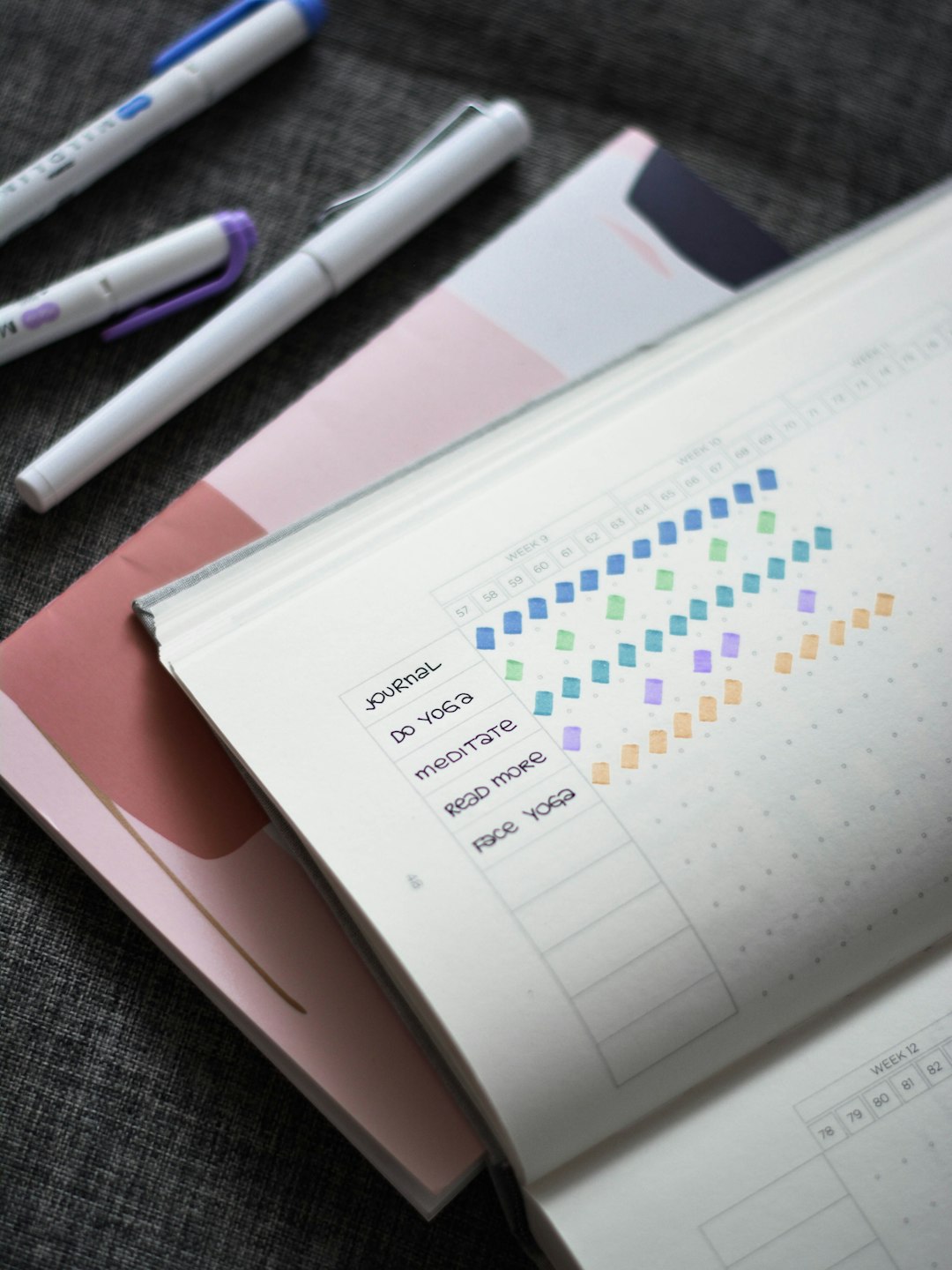
Quick Answer
A habit menu is a short, pre-written list of scaled-down versions of each habit you’re building, sorted by how much energy they take, so that on a hard day you can pick an easy option instead of skipping the habit entirely. Build one by taking each habit you track and writing a ‘full,’ ‘medium,’ and ‘minimum’ version of it in advance — then on low-energy days, you just pick from the menu instead of deciding (or quitting) in the moment.
How to Build Your Habit Menu, Step by Step
1. List the habits you’re actually trying to keep. Start with the 3-6 habits you track most — things like exercise, reading, journaling, meditating, or a work-related habit like writing or outreach. A habit menu works best when it’s scoped to habits you’ve already committed to, not a wishlist.
2. Write three versions of each habit: full, medium, and minimum. The full version is what you do on a normal day (e.g., a 30-minute workout). The medium version cuts it roughly in half (a 10-minute walk or bodyweight circuit). The minimum version should be almost absurdly small — under two minutes, something you could do even sick in bed (ten squats, one page read, one line journaled). This mirrors the ‘two-minute rule’ popularized by James Clear’s Atomic Habits: scale a habit down until skipping it feels sillier than doing it.
3. Set the rule in advance: on a bad day, you’re allowed to do the minimum version, no guilt, no negotiating. Deciding this ahead of time matters — when you’re already tired, you don’t have the energy to debate with yourself. The menu makes the decision for you.
4. Keep the menu somewhere you’ll actually see it — next to your habit tracker, taped inside a cabinet, or saved as a note on your phone. If it’s buried in a drawer, you won’t check it on the day you need it most.
5. Review and adjust monthly. If your ‘minimum’ version still feels too hard to do when you’re genuinely exhausted, shrink it further. The test isn’t whether it feels productive — it’s whether you could do it on your worst day.
Why a Habit Menu Works Better Than Willpower
The habit menu approach works because it removes two failure points at once: all-or-nothing thinking and in-the-moment decision fatigue. Without a menu, a tired day usually turns into a skipped day, because ‘do the full habit or do nothing’ feels like the only choice. With a menu, there’s a third option that still counts as a win and keeps your streak or consistency intact.
It also plays well with the ‘never miss twice’ rule — the idea that missing one day is normal, but missing two in a row is what actually kills a habit. A habit menu makes it much easier to never miss twice, because the minimum version is low-effort enough to do even when you really don’t want to.
This matters most for habits tied to mood or energy in the first place — exercise, journaling, meditation — since those are exactly the habits low-energy days threaten most.
Tips and Common Mistakes
Don’t make the ‘minimum’ version a watered-down version of the full one — make it genuinely tiny. If your full habit is a 5k run, the minimum isn’t a slow 1-mile jog; it’s putting your shoes on and walking to the end of the driveway.
Avoid building a menu for too many habits at once. Three to six habits is manageable; a 20-item menu becomes another thing to maintain rather than a shortcut.
Don’t treat the minimum version as a punishment or a ‘lesser’ day — treat it as a legitimate win. The goal of a habit menu is consistency over intensity; a tiny version done for years beats a perfect version done for two weeks.
Revisit the menu when your life circumstances change (new job, new baby, recovering from illness) — a menu built for a normal month may need an even smaller minimum during a genuinely hard stretch.
Explore more: more habit-building guides.
Habit Menu FAQs
What exactly is a habit menu?
It’s a written list of easier, scaled-down versions of each habit you’re building — usually a full, medium, and minimum option — so you have a pre-approved fallback instead of skipping the habit on a hard day.
How small should the ‘minimum’ version of a habit be?
Small enough to do in under two minutes, even when you’re exhausted, sick, or stressed. If it still feels like a chore on your worst day, shrink it further.
Isn’t doing the minimum version just cheating the habit?
No — the point of a habit tracked over months or years is consistency, not intensity. A tiny version done consistently keeps the identity and routine alive, which matters more long-term than any single day’s effort.
How many habits should go on one habit menu?
Keep it to the habits you’re actively building, typically three to six. A longer list becomes harder to glance at and use on the day you actually need it.
Skip the Spreadsheet — Track It in ZenDuel
Habit streaks, mood tracking, and accountability duels in one free app — no template maintenance required. Get ZenDuel.
Want a calmer inbox? Subscribe to the free newsletter.
Photo by Prophsee Journals on Unsplash.