New or adjusted medications can shift your mood in ways that are easy to dismiss as “just a bad week” — until you look back and notice the dip, the irritability, or the flatness started around the time your dose changed. Timing alone can’t prove a medication is responsible, since plenty of other things can line up with a dose change by coincidence. But a consistent, dated log gives you and your prescriber the raw material needed to actually evaluate whether the medication is playing a role.
Table of Contents
This guide walks through exactly what to record, how often, and how to turn those notes into something your doctor can use to assess the connection. We’ve also laid out a simple log format below (and give you a ready-to-use printable version) so you’re not starting from a blank page.
Quick Answer
Log your mood, dose and timing, and any physical symptoms once or twice a day, every day (not just on bad days), using the same short rating scale each time. After one to two weeks, look back for patterns that line up with dose changes or timing, then bring that log to your prescriber — timing alone doesn’t confirm the medication is the cause, but it gives your doctor the information they need to weigh the medication against other explanations and decide whether a change is warranted.
What to Record Each Day
Keep each entry short enough that you’ll actually fill it out: date and time, the medication and dose you took (and whether you took it on schedule), a mood rating on a simple 0–10 or 1–5 scale, and a word or two describing the mood itself — flat, irritable, anxious, unusually energetic, tearful, and so on.
Add a line for physical side effects that often travel with mood changes: sleep quality, appetite, energy level, and anything like headaches, nausea, or restlessness. Note the time of day relative to your dose, since some mood effects show up a few hours after taking a medication and fade before the next dose — that kind of timing is worth flagging to your prescriber, though it’s a clue to raise with them, not proof on its own that the drug is responsible.
Finally, leave a line for context — a stressful meeting, poor sleep, alcohol, missed meals — so you don’t mistake an ordinary bad day for a drug reaction. You don’t need to decide whether the medication is to blame; that’s a judgment for your prescriber to make, weighing your log against your history and the medication’s known effects.
Building a Log You’ll Actually Keep Using
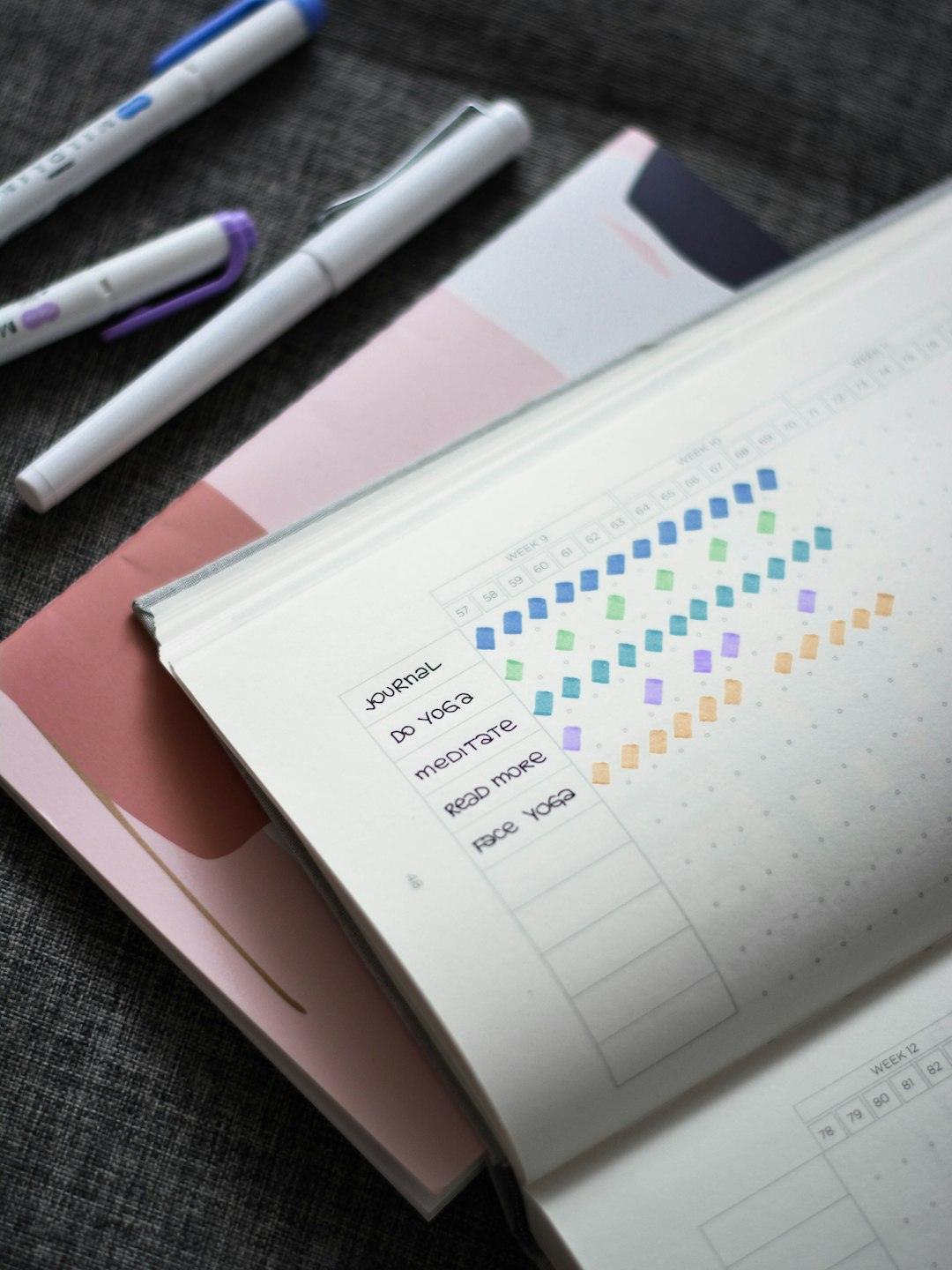
A workable layout fits on a single page per week: columns for date, time, medication/dose taken, mood rating (0–10), mood descriptor, sleep and appetite notes, physical side effects, and life-context notes. Use one row per check-in — most people do well with a morning and evening entry, or a single end-of-day entry if twice daily feels like too much.
Consistency matters far more than detail. Log at the same one or two times every day, including days you feel fine — those “normal” entries establish your baseline, which is what lets anyone reviewing the log spot a real shift later. If you miss a day, just note it as missed rather than skipping the log entirely, since gaps can obscure the pattern you’re trying to capture.
After one to two weeks, scan the log for mood ratings that dip or spike in ways that line up with a dose, a dose change, a new medication, or a stopped medication. Bring the log itself to your next appointment rather than trying to interpret it yourself — a prescriber can weigh the timing against other possible causes (stress, sleep, other medications, the underlying condition itself) far better with a week of dated, timed entries in hand than with “I’ve felt off lately.”
Tips / Common Mistakes
Don’t start logging only after you suspect a problem — begin when you start or change a medication, so you have a baseline of how you felt before. Without a baseline, it’s much harder for anyone, including your doctor, to tell whether the medication shifted your mood or the timing was coincidental.
Avoid vague entries like “bad day” with no detail; a rating plus one or two descriptive words takes seconds and is far more useful later. Also resist the urge to draw your own conclusion about cause and stop or change a dose on your own based on the log — bring the pattern to your prescriber and let them make that call, since stopping some medications abruptly can cause its own side effects.
If a mood change is severe — thoughts of self-harm, intense agitation, or anything that feels like an emergency — contact your prescriber or local emergency services right away rather than waiting to document a pattern. For side effects you want on record beyond your own chart, you or your doctor can also file a report with the FDA’s MedWatch program by phone at 1-800-FDA-1088 or through its online form, which helps track drug safety patterns more broadly.
Explore more: More mental health tracking guides.
Tracking mood changes from medication side effects FAQs
How long should I track before talking to my doctor about it?
Most useful patterns show up after one to two weeks of consistent daily entries, especially if you log through at least one dose change. You don’t need to wait for certainty — bring the log to your prescriber at that point and let them assess whether the medication is likely involved, sooner if the mood changes feel disruptive.
Can a mood log alone prove a medication is causing my mood changes?
No. A log shows timing and patterns, but telling a coincidence from an actual drug effect requires a clinician to weigh that timing against your medical history, other medications, the condition being treated, and sometimes a monitored dose change. The log is the evidence you bring to that conversation, not a conclusion on its own.
What’s the best mood scale to use?
A simple 0–10 scale (0 = lowest mood, 10 = best) paired with a one- or two-word descriptor works well because it’s fast to fill in and easy to scan for trends later. Pick one scale and stick with it for the whole log.
Should I log on days I feel totally normal?
Yes — normal days establish your baseline, which is what makes the abnormal days stand out as a pattern instead of isolated complaints.
Can I track this with an app instead of paper?
Either works, and several mood- and symptom-tracking apps exist with reminders and charts built in. A paper or printable log works just as well and is often easier to hand directly to your doctor.
Skip the Spreadsheet — Track It in ZenDuel
Habit streaks, mood tracking, and accountability duels in one free app — no template maintenance required. Get ZenDuel.
Want a calmer inbox? Subscribe to the free newsletter.
Photo by Prophsee Journals on Unsplash.