Most habits fail not because people lack willpower, but because the bar is set too high for the days when motivation runs out. A minimum viable habit fixes this by defining the smallest possible version of the behavior — one so easy you can do it even on your worst day.
Table of Contents
This guide walks through what a minimum viable habit actually is, how to design one for any goal, and how to use it as a floor that keeps your streak alive without burning you out.

Quick Answer
A minimum viable habit is the smallest version of a behavior you can do in under two minutes, every day, regardless of how busy, tired, or unmotivated you are. Instead of committing to ’30 minutes of exercise,’ the floor becomes ‘put on my shoes’ — a version so small that skipping it feels harder than doing it.
How to Design Your Floor
Start with the habit you actually want, then shrink it until it takes less than two minutes and requires almost no motivation. This mirrors James Clear’s Two-Minute Rule from Atomic Habits: if you want to become a runner, the habit is ‘put on running shoes,’ not ‘run three miles.’ If you want to read more, the habit is ‘read one page,’ not ‘finish a chapter.’ The goal isn’t to stay tiny forever — it’s to make the starting move so low-friction that you show up on the days you’d otherwise skip entirely.
Stanford researcher BJ Fogg makes the same point even more bluntly in his Tiny Habits work: ‘make it tiny.’ His behavior model, B = MAP (Behavior = Motivation × Ability × Prompt), explains why this works — motivation is unreliable and changes day to day, but ability is something you control directly. Shrink the habit until it requires almost no ability, and you remove motivation from the equation entirely.
A useful test: if there’s any day you can imagine being too tired, too busy, or too unmotivated to do it, the habit is still too big. Keep shrinking until you’d be embarrassed to skip it — one push-up, one sentence written, one glass of water poured, one minute of stretching.
Using the Floor Without Getting Stuck There
The floor is a minimum, not a ceiling. On good days, let the habit expand naturally — one push-up often turns into ten once you’re already on the floor. On bad days, doing just the floor still counts as a full, unbroken day. The win is showing up, not the volume.
Anchor the minimum habit to something that already happens reliably, like brushing your teeth or making coffee — Fogg calls this an ‘anchor’ or prompt. ‘After I pour my morning coffee, I’ll write one sentence in my journal’ is more durable than a habit tied to willpower or a vague time of day, because the existing routine does the reminding for you.
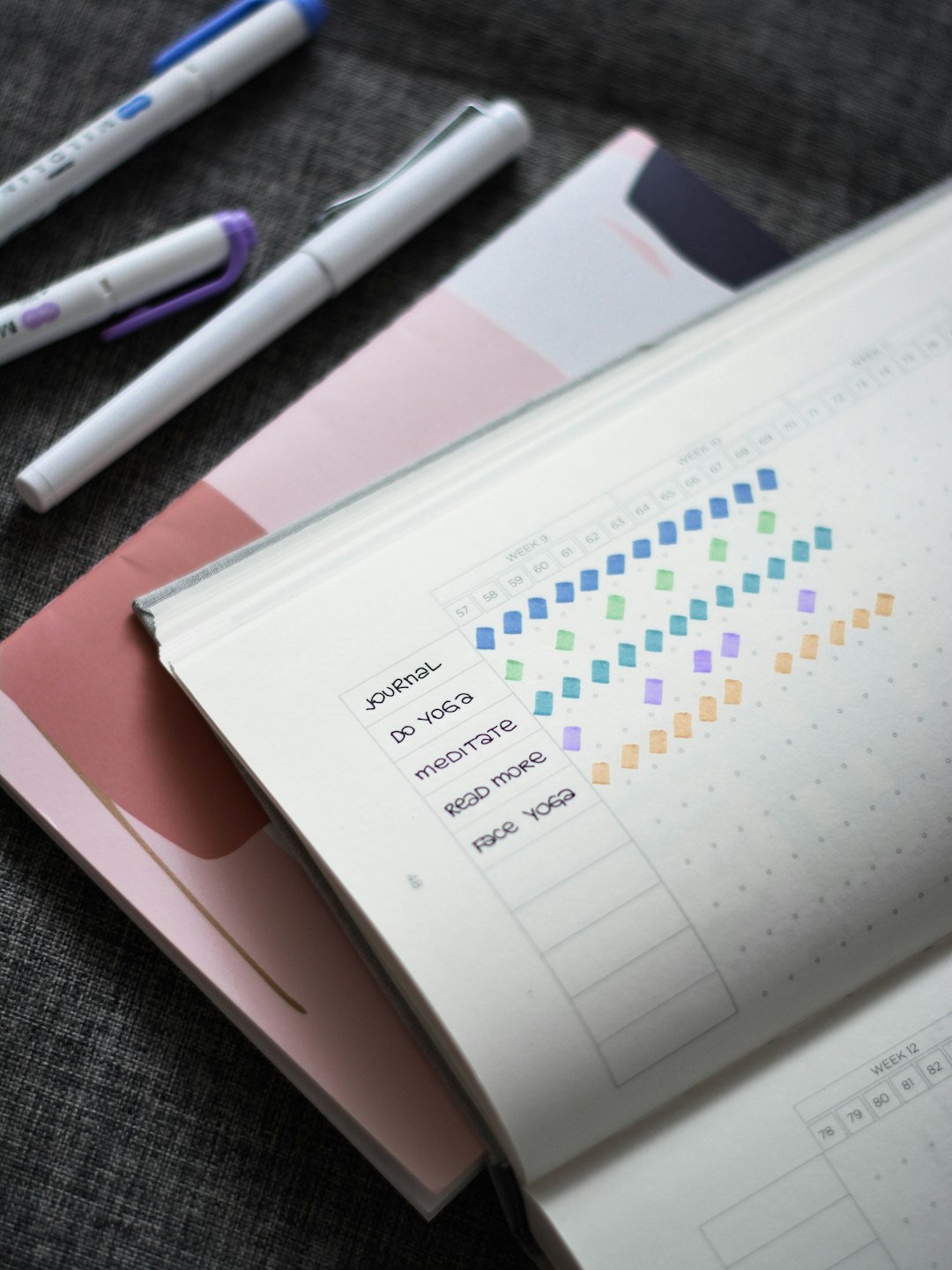
Track completion, not intensity. A simple checkmark for ‘did the floor version, yes or no’ keeps the emphasis on consistency rather than performance, which is what actually builds the identity and automaticity behind a lasting habit.
Tips and Common Mistakes
Don’t let the floor creep back up once you’re consistent — resist the urge to redefine ‘success’ as the expanded version. The floor should always stay small enough to hit on your worst day, even after months of doing more.
Avoid stacking too many minimum viable habits at once. Build one to the point it feels automatic — generally a few weeks of consistent daily action — before adding a second.
Watch for the trap of treating the floor as the whole goal. It’s a starting mechanism, not a finish line; the point is to keep the chain of days unbroken so momentum and identity can build behind it.
If you keep missing even the tiny version, it’s still too big or poorly anchored — shrink it further or attach it to a more reliable daily cue.
Explore more: more habit-building strategies.
minimum viable habit FAQs
What is a minimum viable habit?
It’s the smallest, easiest version of a habit you can realistically do every single day, even under low motivation or a busy schedule — small enough that skipping it feels harder than doing it.
Isn’t a habit this small pointless?
The size isn’t the point — consistency is. A tiny habit done daily builds the routine and identity that make it easy to scale up later, while an ambitious habit that gets skipped builds nothing.
How do I know if my habit floor is small enough?
If you can picture a realistic day where you’d be too tired or busy to do it, shrink it further. The floor should take under two minutes and require almost no willpower.
Should I always do more than the minimum?
No — doing just the floor should count as a complete success. Let extra effort happen naturally on good days, but never treat the minimum as a failure.
Skip the Spreadsheet — Track It in ZenDuel
Habit streaks, mood tracking, and accountability duels in one free app — no template maintenance required. Get ZenDuel.
Want a calmer inbox? Subscribe to the free newsletter.
Photo by Glenn Carstens-Peters on Unsplash.
