You don’t need a cushion, a timer, or twenty free minutes to practice mindfulness. Most of your day is already made up of small, repeatable moments — brushing your teeth, walking to your car, washing a mug — and each one is a chance to practice what’s called informal mindfulness.
Table of Contents
This guide explains what informal mindfulness actually is, how it differs from formal meditation, and gives you a practical set of everyday moments you can turn into practice starting today.
Quick Answer
Informal mindfulness is the practice of bringing full, non-judgmental attention to whatever you’re already doing — eating, walking, washing dishes, waiting in line — instead of setting aside separate time to meditate. You practice it by picking a routine activity, noticing your senses and breath during it, and gently returning your attention there whenever your mind wanders.
Formal vs. Informal Mindfulness: What’s the Difference?
Formal mindfulness is a dedicated practice session: sitting meditation, a body scan, or guided breathing done in a quiet space at a set time. It builds your core mindfulness ‘muscle’ — your ability to notice thoughts, hold attention, and stay calm under stress.
Informal mindfulness is the opposite in structure but works toward the same goal: instead of stepping away from your day, you fold awareness directly into it. It takes no extra time because you’re already brushing your teeth, driving, or eating lunch — you’re just doing it with attention instead of on autopilot.
Research on mindfulness-based programs has found that both formal and informal practice contribute meaningfully to wellbeing, and many teachers recommend combining them: formal sessions build the skill, informal moments are where you actually use it.
How to Practice Informal Mindfulness All Day
Pick an ‘anchor’ activity to start. Choose one thing you already do every day — brushing your teeth, making coffee, or the first few steps out your front door — and decide that’s your informal mindfulness moment. Anchoring to an existing habit makes it far more likely to stick than trying to ‘remember to be mindful’ at random.
Engage your senses on purpose. During that activity, notice what you can see, hear, smell, feel, or taste. Mindful eating means actually tasting your food — texture, temperature, flavor — rather than eating while scrolling. Mindful walking means feeling your feet contact the ground and noticing the air on your skin, rather than replaying a conversation in your head.
Use your breath or body as a home base. When you notice your mind has wandered off into planning, worrying, or replaying the past, gently bring attention back to a physical anchor — your breathing, your footsteps, or the sensation of water on your hands. This isn’t about stopping thoughts; it’s about noticing when you’ve drifted and returning, without judging yourself for wandering in the first place.
Try the STOP technique for stressful moments. This is a widely taught four-step pause used in mindfulness-based stress reduction and dialectical behavior therapy: Stop what you’re doing, Take a breath, Observe what’s happening in your body and mind, and Proceed with a choice rather than a reflex. It takes under a minute and works well before a hard conversation, a stressful email, or a moment of frustration.
Stack multiple anchors throughout the day. Once one activity feels natural, add another — dishwashing, your commute, waiting for a kettle to boil, or the walk from your car to the office. Repetitive chores are especially good candidates because they don’t require much decision-making, leaving attention free to notice sensation instead.

Tips and Common Mistakes
Don’t aim for a blank mind. Informal mindfulness isn’t about stopping thoughts — it’s about noticing when you’ve been swept away by them and returning to the present moment. Expect your attention to wander repeatedly; the ‘practice’ is in the returning, not in staying perfectly focused.
Start with one moment, not ten. Trying to be mindful during every activity at once usually collapses within a day or two. Anchor to a single daily habit for a week or two before adding another.
Skip the self-criticism. Judging yourself for ‘doing it wrong’ or forgetting to practice is itself a lapse in mindfulness — just notice it and come back, the same way you’d come back from any other distracted thought.
Pair it with formal practice if you can. Even a few minutes of seated breathing or a guided body scan a few times a week tends to make informal moments easier to access, since you’re reinforcing the same underlying skill from two directions.
Explore more: more mindfulness practices.
Informal mindfulness FAQs
What is informal mindfulness in simple terms?
It’s paying full, present-moment attention to an everyday activity you’re already doing — like eating, walking, or washing dishes — instead of doing it on autopilot.
Is informal mindfulness as effective as meditation?
Studies on mindfulness-based programs suggest informal practice contributes meaningfully to wellbeing alongside formal meditation, and many practitioners find combining both approaches works best.
How do I remember to practice informal mindfulness?
Anchor it to an existing daily habit, such as brushing your teeth or your morning coffee, so the routine itself becomes the reminder rather than relying on willpower.
What is the STOP technique?
STOP stands for Stop, Take a breath, Observe, and Proceed. It’s a short mindfulness pause used in stress-reduction and therapy programs to interrupt automatic reactions during stressful moments.
Can informal mindfulness help with stress and anxiety?
Bringing attention to the present moment during daily tasks can help interrupt spirals of worry or rumination, and techniques like STOP are specifically designed to support emotional regulation in stressful situations.
Build Better Habits With ZenDuel
Track your habits and mood, stay accountable, and build a calmer routine — get the ZenDuel app. Get ZenDuel.
Want a calmer inbox? Subscribe to the free newsletter.
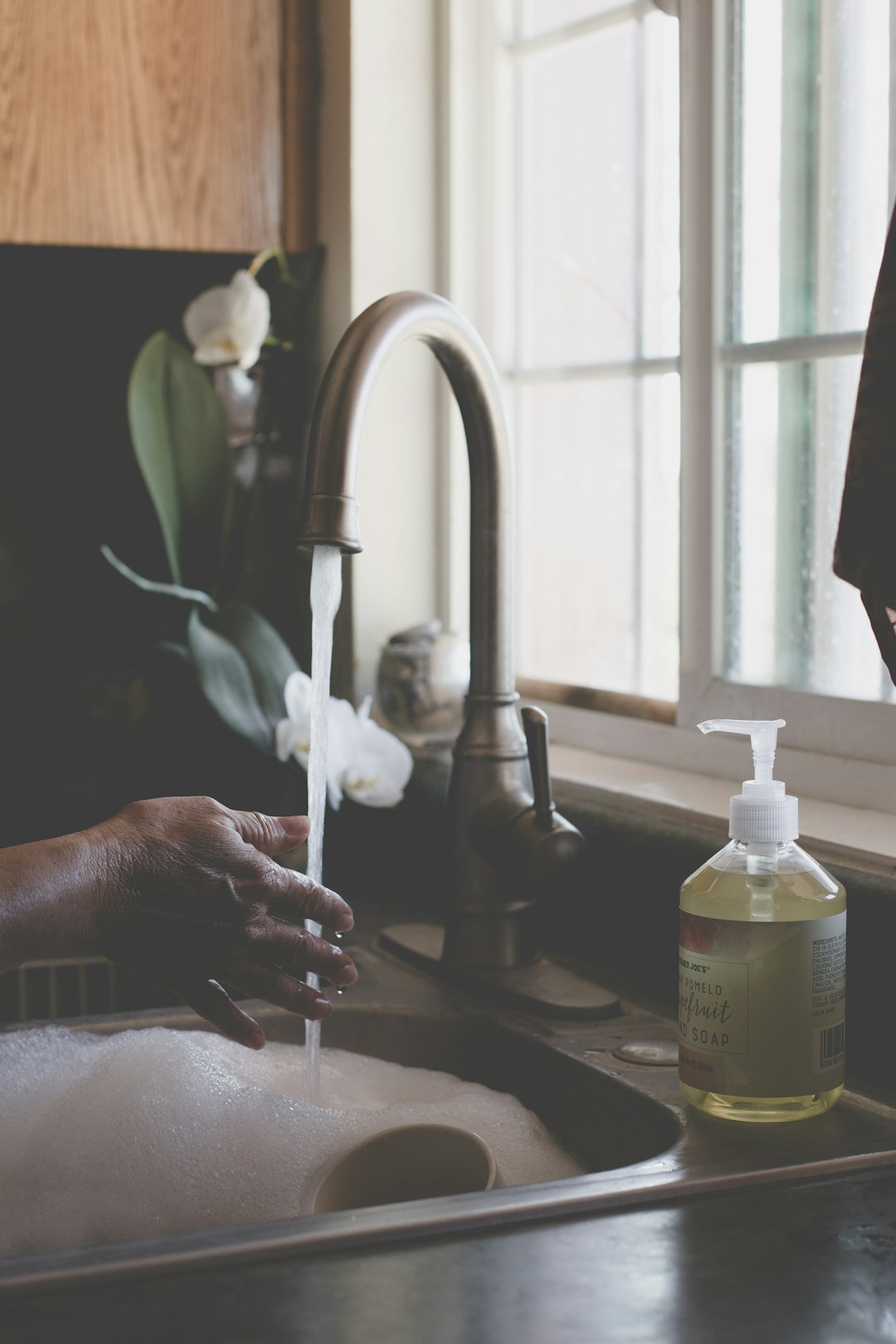
Photo by Sixteen Miles Out on Unsplash.