Every January, gyms fill up and journals get new first pages — and by February, most of that energy has quietly evaporated. The problem usually isn’t willpower. It’s that most resolutions are designed to fail: they’re too big, too vague, and too dependent on motivation that was only ever going to last a few weeks.
Table of Contents
This guide walks through a practical, research-informed approach to building New Year habits that survive contact with a normal week — smaller starting points, better cues, and a way to track progress that doesn’t collapse the first time you miss a day.
Quick Answer
Pick one habit at a time, shrink it until it feels almost too easy, attach it to an existing routine using a specific cue (‘after X, I will Y’), and track it visually. Expect habits to take anywhere from a few weeks to several months to feel automatic — research on habit formation found a median of about 66 days to reach peak automaticity, with individual results ranging from roughly 18 to 254 days depending on the habit and the person.
Why Most New Year Resolutions Fall Apart
Resolutions typically fail for three overlapping reasons: they’re stacked (three or four new habits launched on January 1st at once), they’re outcome-focused (‘lose 20 pounds’) rather than process-focused (‘walk 20 minutes after lunch’), and they rely on a single cue — a new year, a fresh notebook, a burst of motivation — that naturally fades within a few weeks.
A more durable approach treats habit-building as a design problem, not a discipline problem. Instead of asking ‘how do I get more motivated,’ the better question is ‘how do I make this specific behavior nearly automatic, even on a bad day.’
A Step-by-Step System for Habits That Stick
Start absurdly small. If the goal is to exercise regularly, the starting habit isn’t a 45-minute workout — it’s putting on your shoes and walking to the end of the driveway. The point isn’t the workout itself; it’s building the identity and the routine of showing up. You can scale intensity once the habit is automatic, but you can’t scale a habit that never got established.
Use an implementation intention. Vague goals (‘I’ll meditate more’) lose to specific plans. Author James Clear popularized a simple formula for this: ‘I will [BEHAVIOR] at [TIME] in [LOCATION].’ Writing down the exact time and place removes the daily decision of whether and when to act.
Stack the new habit onto an existing one. Habit stacking pairs a new behavior with a routine you already do automatically, using the format ‘After [CURRENT HABIT], I will [NEW HABIT].’ For example: ‘After I pour my morning coffee, I will write down my top priority for the day.’ The existing habit becomes the trigger, so you’re not relying on memory or motivation to remember to start.
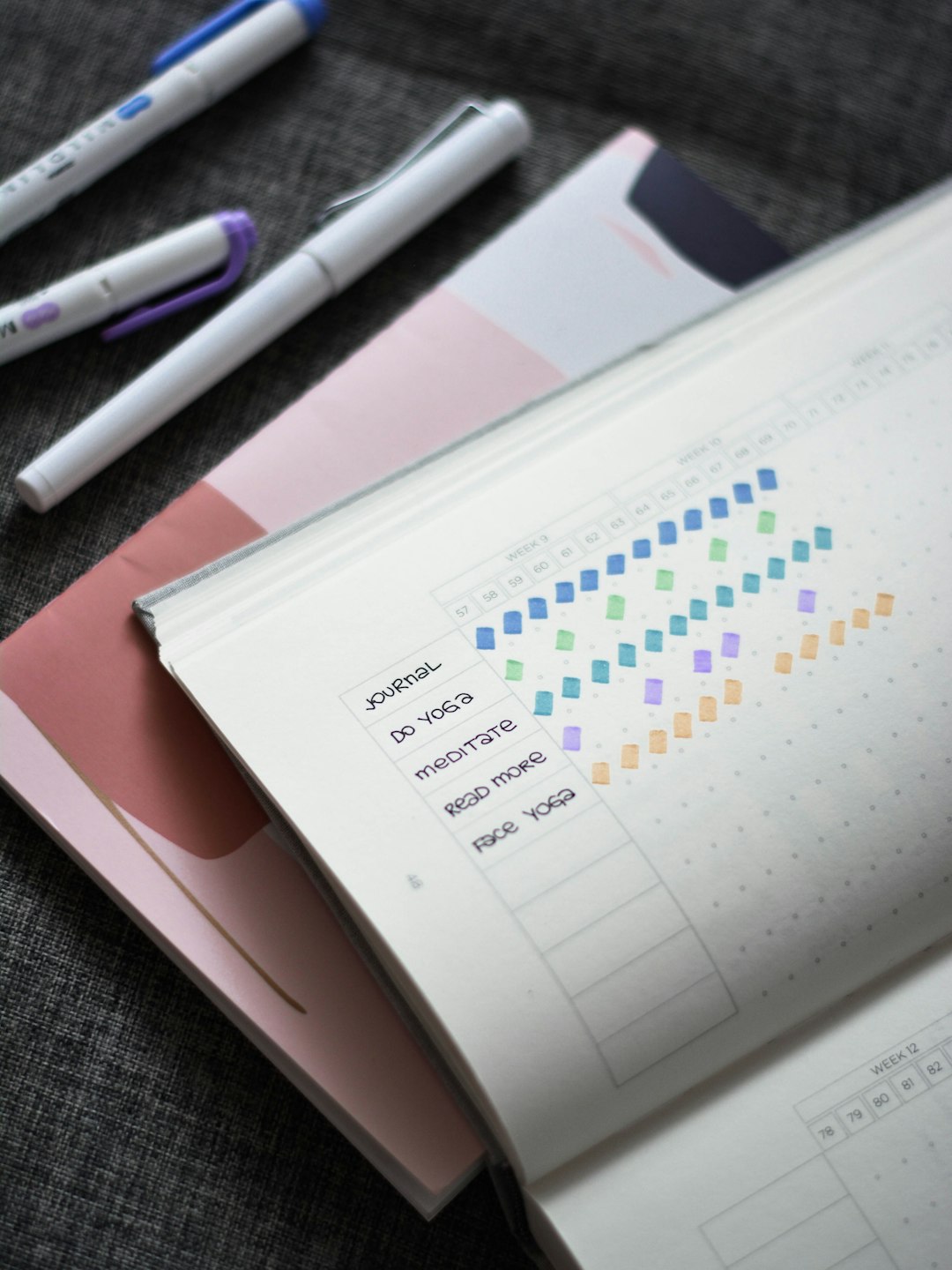
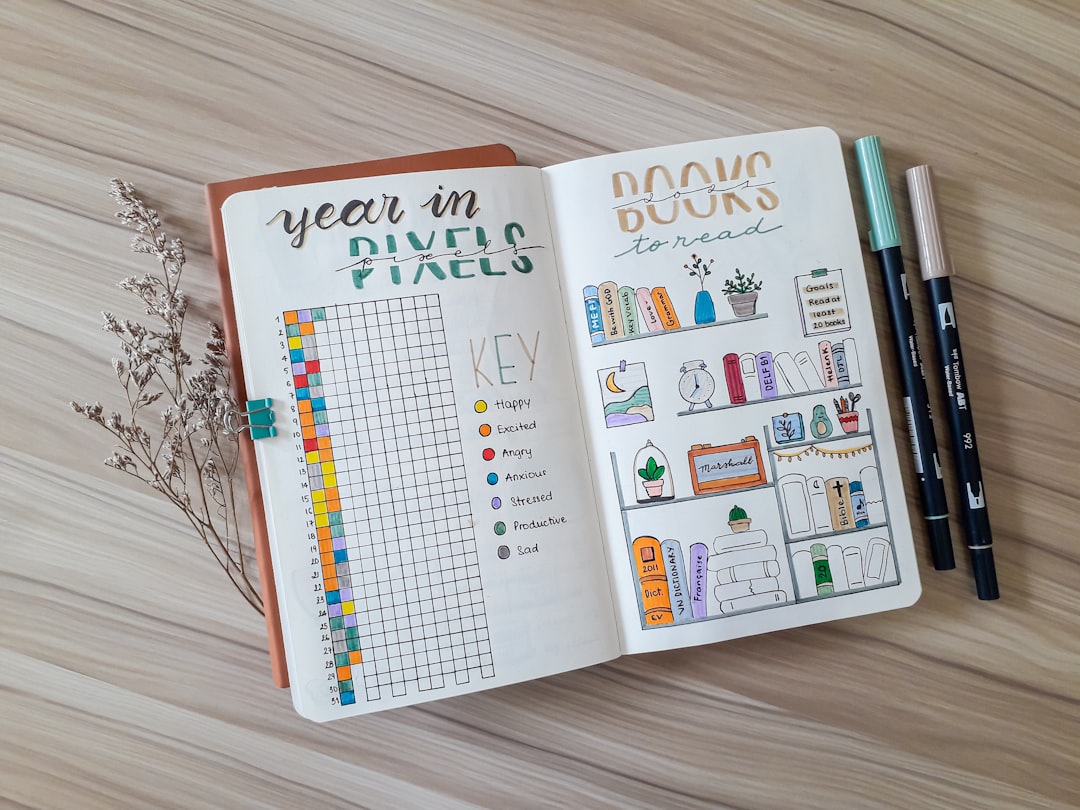
Make the habit visible and track it simply. A wall calendar with an X for each day, a habit-tracking app, or a simple checklist all work — the mechanism that matters is that you can see your streak. Visual tracking turns an abstract intention into a concrete record of progress, which is itself motivating.
Plan for the miss, not just the streak. Life interrupts habits — travel, illness, a bad week at work. Decide in advance on a ‘never miss twice’ rule: missing one day is normal and doesn’t reset progress, but missing two days in a row is the signal to actively re-commit. Research on habit formation found that missing a single opportunity to perform a behavior didn’t meaningfully damage the habit-building process, which is reassuring for anyone worried that one skipped day ruins everything.
Tips and Common Mistakes
Don’t start more than one or two new habits at once — willpower and attention are limited resources, and stacking multiple new routines in January is the single most common reason resolutions collapse by February. Pick the habit that would make the biggest difference if it were the only thing you changed this year, and start there.
Avoid habits that depend on a specific mood or unlimited motivation to execute; design them so a tired, busy, or unmotivated version of you can still complete the smallest version of the habit. Tie new habits to a stable cue (time of day or an existing routine) rather than to ‘whenever I feel like it,’ since vague cues are the easiest ones to skip. Finally, resist the urge to judge progress only by big outcomes in the first few weeks — habit formation research shows real automaticity often takes closer to two or three months than two or three weeks, so early consistency matters more than early results.
Explore more: Explore more habit-building guides.
New Year habits that last FAQs
How long does it actually take to build a new habit?
There’s no fixed number, despite the popular ’21 days’ myth. A widely cited study on habit formation found a median of about 66 days for a behavior to become automatic, with individual results ranging from about 18 to 254 days depending on the complexity of the habit and the person. Because it’s a median rather than an average, half of the habits studied became automatic faster than 66 days and half took longer.
What’s the single biggest reason New Year resolutions fail?
Trying to change too much at once. Launching several new habits simultaneously on January 1st spreads your limited motivation and attention too thin, so even habits you could have sustained individually end up competing with each other and falling away.
What should I do if I miss a day?
Get back to it the next day without treating it as a failure. Missing a single day rarely derails habit formation in a meaningful way — the risk comes from letting one missed day turn into a longer break, so the useful rule of thumb is to avoid missing twice in a row.
Is habit stacking the same as an implementation intention?
They’re closely related. An implementation intention plans a habit around a specific time and location (‘I will meditate at 7am in the kitchen’), while habit stacking plans it around an existing habit as the trigger (‘After I pour my coffee, I will meditate’). Both work by giving the new behavior a clear, reliable cue.
Build Better Habits With ZenDuel
Track your habits and mood, stay accountable, and build a calmer routine — get the ZenDuel app. Get ZenDuel.
Want a calmer inbox? Subscribe to the free newsletter.
Photo by Prophsee Journals on Unsplash.