Cold showers have gone from a fringe biohacking habit to a mainstream wellness routine, with claims ranging from instant mood boosts to relief from anxiety and depression. The idea is appealing and cheap: turn the tap to cold for a minute and feel sharper, calmer, and more resilient.
Table of Contents
But how much of that is backed by actual research, and how much is anecdote amplified by social media? This guide walks through what controlled studies have found so far, how to try cold showers safely if you want to experiment, and where the evidence is still thin.

Quick Answer
Cold showers can produce a real short-term physiological response — increased alertness, a rush of norepinephrine, and in some studies a delayed drop in perceived stress hours later. But evidence that cold showers alone treat clinical depression or anxiety is still limited and mixed; in the best-designed trial so far, cold showers combined with breathing exercises worked about as well as warm showers combined with the same breathing exercises. Treat cold showers as a possible stress-management add-on, not a replacement for therapy or medication.
How to Try Cold Showers Safely
Most of the research protocols didn’t use ice-cold torture sessions — they used short, manageable exposures. A common approach is to shower as normal, then finish with 20 to 90 seconds of cold water, gradually working up the duration over days or weeks rather than jumping straight to the coldest setting.
Pair it with slow, controlled breathing. The randomized trial on cold showers and depressive symptoms had participants use structured breathing exercises alongside the cold exposure, and breathing appeared to matter as much as the water temperature itself. Box breathing or slow nasal breathing during the cold blast can help you stay in control instead of gasping and panicking.
Start with lukewarm-to-cool water if you’re new to this, rather than the coldest setting your shower has. People with heart conditions, uncontrolled high blood pressure, Raynaud’s syndrome, or a history of fainting should check with a doctor first, since cold exposure causes a rapid spike in blood pressure and heart rate.
What the Research Actually Shows
A systematic review and meta-analysis published in PLOS ONE pooled 11 randomized controlled trials on cold-water immersion and found a genuinely interesting pattern: stress levels didn’t drop immediately after cold exposure, but a reduction in perceived stress showed up about 12 hours later. The authors attribute this to an initial ‘cold shock’ response (a surge in norepinephrine and blood pressure) followed by a delayed parasympathetic recovery phase.
Mood evidence is thinner. Only one RCT in that review directly measured mood, using a small male-only sample, and it found no significant difference between cold-water immersion and passive recovery. A separate, larger study found somewhat higher quality-of-life scores after 30 days of daily cold showers, but that difference faded by 90 days.
The most rigorous depression-focused trial to date randomized 84 women with high depressive symptoms into two groups: one did the Wim Hof Method (cold showers plus a specific breathing technique), the other did slow-paced breathing with warm showers. Both groups followed daily audio-guided sessions for three weeks, with outcomes reassessed again three months later. Depressive symptoms, anxiety, and perceived stress dropped meaningfully in both groups by similar amounts, and those improvements held up at the three-month follow-up — the cold shower group didn’t outperform the warm shower group on any of these primary measures. The cold group did report less rumination after stressful events, though the researchers flagged that finding as preliminary.
The consistent theme across this research: cold exposure triggers a measurable stress-hormone and alertness response, and some people report genuine mood and stress benefits, but the science doesn’t yet show cold water itself is what drives improvements in depression or anxiety — breathing technique, expectation, and routine may matter just as much.
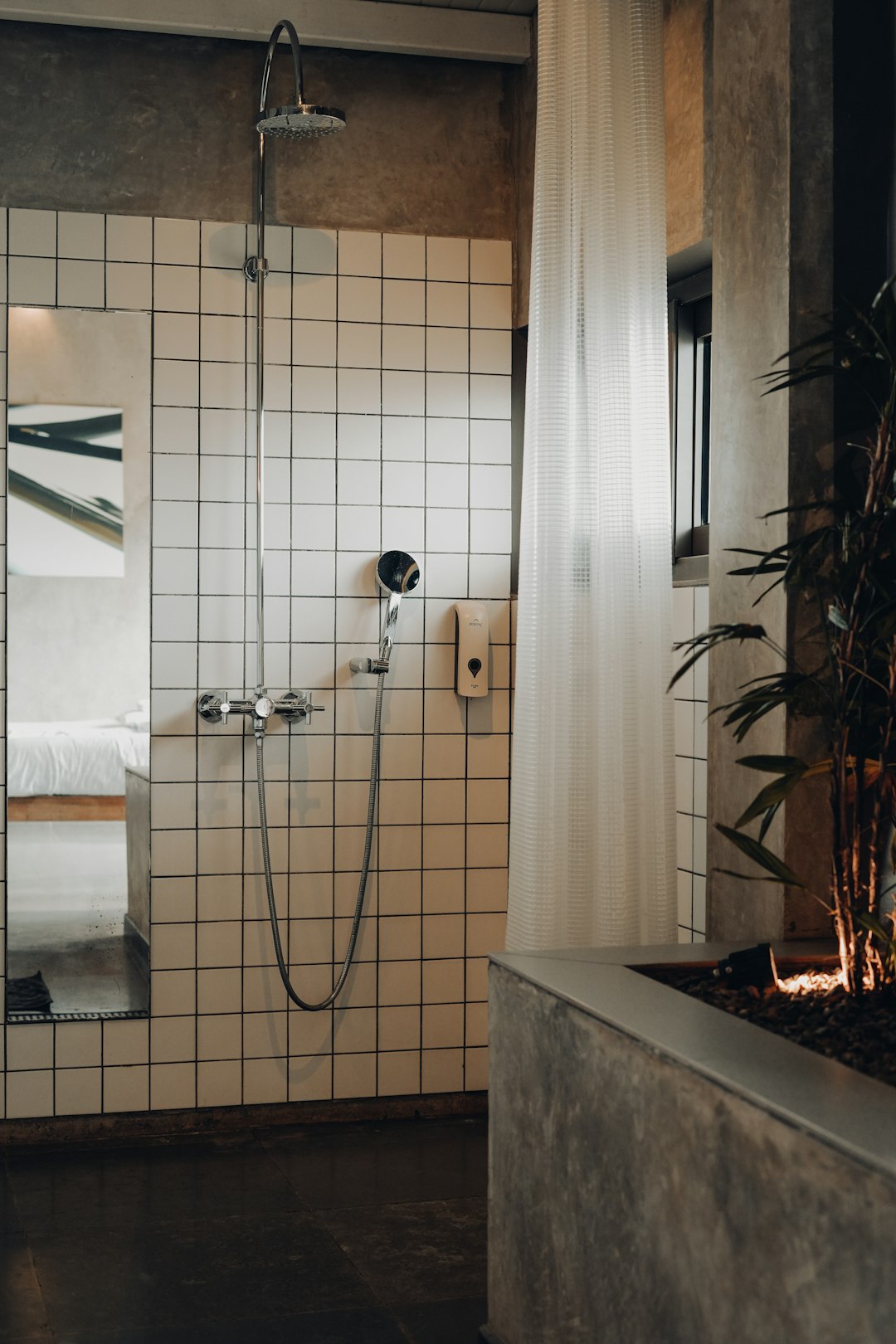
Tips and Common Mistakes
Don’t expect cold showers to replace treatment for diagnosed anxiety or depression — no study has tested cold showers as a standalone therapy against evidence-based treatments like CBT or medication, and researchers explicitly caution against that substitution.
Don’t skip the breathing component. Trials that paired cold exposure with structured breathing saw the clearest mental health improvements, and the control groups using warm water plus breathing improved just as much — suggesting the breathing practice itself is doing real work.
Don’t expect the benefits to be permanent if you stop. Improvements tracked in these studies tend to depend on keeping up a regular practice; when people stop, self-reported benefits fade within weeks.
Don’t jump into extreme cold alone, especially open water. Build up gradually in a shower first, and if you ever move to cold plunges or open-water immersion, do it with someone else present given the risk of cold shock affecting breathing and heart rhythm.
Explore more: More mental health guides.
Cold shower benefits for mental health FAQs
How long should a cold shower be for mental health benefits?
Most research protocols used short exposures of roughly 20 to 90 seconds of cold water, often at the end of a normal shower, combined with controlled breathing rather than one long, extreme cold session.
Do cold showers help with depression?
Evidence is mixed. The best available randomized trial had women do cold showers with breathing exercises for three weeks, and the improvement in depressive symptoms was about equal to a warm-shower-plus-breathing control group — suggesting the breathing practice, not the cold itself, may be the key driver.
Is it safe to take cold showers every day?
For most healthy adults, brief daily cold showers appear safe, but anyone with heart disease, uncontrolled blood pressure, Raynaud’s syndrome, or a history of fainting should get medical clearance first, since cold exposure causes a rapid spike in heart rate and blood pressure.
Build Better Habits With ZenDuel
Track your habits and mood, stay accountable, and build a calmer routine — get the ZenDuel app. Get ZenDuel.
Want a calmer inbox? Subscribe to the free newsletter.
Photo: Kmtextor / CC BY-SA 4.0, via Wikimedia Commons.
