What you eat in the hours before bed can quietly shape how well you sleep. A handful of almonds or cashews, a small bowl of cherries, or a kiwi or two aren’t magic, but a few foods do contain compounds — tryptophan, magnesium, melatonin — that support the body’s natural wind-down process.
Table of Contents
This guide breaks down exactly which foods to eat before bed for sleep, how much and when to eat them, and which late-night habits tend to backfire on sleep quality — so you can build a short list of go-to bedtime snacks instead of guessing.
Quick Answer
The best foods to eat before bed pair a small amount of protein or complex carbs with sleep-supportive compounds: tart cherries or cherry juice, kiwifruit, cashews or almonds, a banana, or a small bowl of oatmeal or plain yogurt.
Eat a light snack about 30-60 minutes before bed (or a slightly larger one 2-3 hours out if you’re winding down early), keep it small — roughly 100-200 calories — and skip anything sugary, spicy, high-fat, or caffeinated.
Foods That Actually Help
Tart (Montmorency) cherries and tart cherry juice are among the most studied bedtime foods — they naturally contain melatonin, the hormone that regulates the sleep-wake cycle. Research trials, including small studies in older adults with insomnia, have found that tart cherry juice can lengthen total sleep time and improve sleep efficiency compared with a placebo, though researchers note the effect is modest and more study is needed on ideal dosage and timing.
Kiwifruit has a similar research base: in a small trial, adults who ate two kiwis about an hour before bed for several weeks fell asleep faster, woke up less during the night, and slept longer overall compared with not eating kiwi beforehand.
Cashews are one of the best foods to eat before bed if you want something savory and filling. They’re a good source of both magnesium and tryptophan, and pack in potassium as well — a combination that supports muscle relaxation and the body’s melatonin and serotonin production. Like other nuts, a small handful (about an ounce) eaten alongside a few whole-grain crackers or a piece of fruit is plenty; there’s no need for a larger portion, since nuts are calorie-dense.
Almonds, walnuts, and pistachios combine magnesium, zinc, and small amounts of melatonin, similar to cashews. Magnesium in particular plays a role in regulating the nervous system and muscle relaxation, which can support winding down.
Bananas offer potassium and magnesium along with a little tryptophan, an amino acid the body converts into serotonin and then melatonin. Pairing a banana with a spoonful of nut butter adds a bit of protein to help stabilize blood sugar overnight.
Plain yogurt, cottage cheese, warm milk, and other dairy contain tryptophan and calcium, which helps the brain use tryptophan to make melatonin — this is part of why warm milk is a classic bedtime folk remedy and why cottage cheese’s slow-digesting casein protein is popular as an evening snack.
A small bowl of oatmeal or a slice of whole-grain toast provides complex carbohydrates, which can help tryptophan cross into the brain more effectively when eaten alongside a protein source like nuts or yogurt.
Herbal teas without caffeine, such as chamomile or valerian root tea, are widely used as part of a wind-down routine, though evidence for their sleep effects is less robust than for whole foods like tart cherries, kiwi, or cashews.
How Much and When to Eat Before Bed
Timing matters as much as food choice. Eating a large or heavy meal right before lying down can trigger indigestion or acid reflux, which disrupts sleep. Most sleep experts recommend finishing dinner at least 2-3 hours before bedtime, then having only a light, small snack if you’re genuinely hungry closer to lights-out.
Keep portions modest: a handful of cashews or almonds, a small glass of tart cherry juice, one or two kiwis, or a small bowl of cereal with milk is enough — aim for roughly 100-200 calories. The goal is to avoid hunger waking you up, not to eat a second dinner. A snack eaten 30-60 minutes before bed is generally fine as long as it’s light.
Tips and Common Mistakes
Avoid caffeine in the afternoon and evening — it can linger in your system for several hours and delay sleep onset even if you don’t feel ‘wired.’ Alcohol before bed is another common mistake: it may make you feel drowsy initially but tends to fragment sleep later in the night.
Skip sugary desserts and refined carbs close to bedtime, since blood sugar spikes and crashes can cause middle-of-the-night waking. Spicy or high-fat foods are also worth avoiding late at night, as they slow digestion and raise the risk of reflux.
Don’t rely on food alone — bedtime snacks work best as one piece of a broader sleep routine that includes a consistent sleep schedule, a dark and cool bedroom, and limiting screens before bed. If you’re using tart cherry juice, cashews, or another melatonin- or magnesium-containing food as a regular sleep aid, treat it as a mild, complementary habit rather than a fix for chronic insomnia, and check with a doctor if sleep problems persist.
Photos
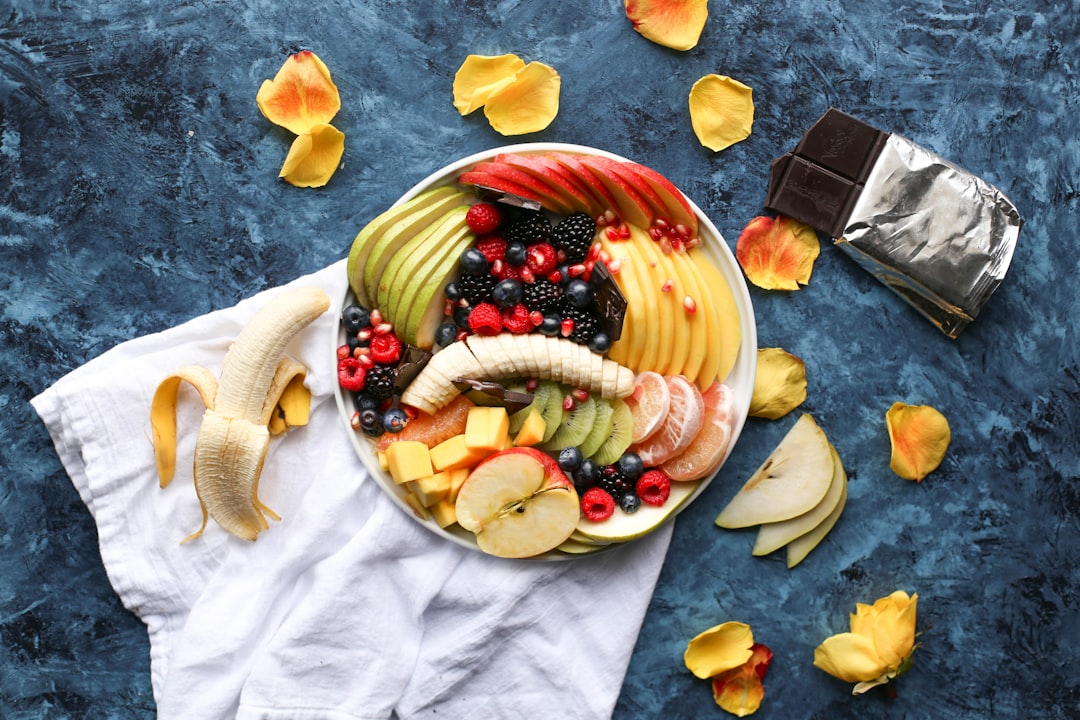
foods to eat before bed for sleep FAQs
What is the single best food to eat before bed for sleep?
There’s no single ‘best’ food, but tart cherries or tart cherry juice and kiwifruit have the strongest research support among whole foods, since both have been shown in small trials to improve sleep duration and quality. Cashews and almonds are close runners-up thanks to their magnesium and tryptophan content.
Are cashews good to eat before bed?
Yes. Cashews contain magnesium, potassium, and tryptophan, a combination that supports muscle relaxation and the body’s melatonin and serotonin production. A small handful (about an ounce), ideally paired with a small carbohydrate like a few crackers, is a reasonable bedtime snack.
Is it bad to eat right before bed?
A large meal right before lying down can cause indigestion or acid reflux that disrupts sleep. A small, light snack eaten 30-60 minutes before bed is generally fine; it’s heavy or spicy meals eaten immediately before sleep that tend to cause problems.
Does warm milk actually help you sleep?
Warm milk contains tryptophan and calcium, which support melatonin production, and the ritual itself can be calming. The effect is mild rather than dramatic, but it’s a low-risk habit many people find helpful.
What foods should I avoid before bed?
Avoid caffeine, alcohol, sugary or high-refined-carb snacks, and spicy or high-fat foods in the hours before bed, since they can delay sleep onset, spike blood sugar, or trigger reflux that wakes you up.
Skip the Spreadsheet — Track It in ZenDuel
Habit streaks, mood tracking, and accountability duels in one free app — no template maintenance required. Get ZenDuel.
Want a calmer inbox? Subscribe to the free newsletter.
