You don’t need a cushion, a candle, or twenty quiet minutes carved out of an already-packed day to practice mindfulness. If you have a windowsill herb pot, a few raised beds, or a patch of backyard dirt, you already have everything you need. Gardening asks you to slow down, use your hands, and pay attention to something that’s alive and changing right in front of you — which is, when you get down to it, the entire point of meditation.
Table of Contents
This guide walks through what mindful gardening actually looks like in practice, why it works so well for quieting a busy mind, and specific techniques you can use the next time you’re out watering, weeding, or repotting — plus the common mistakes that turn a mindful session back into just another chore.
Quick Answer
Mindful gardening means slowing down and using a hands-on task — planting, weeding, watering, pruning — as an anchor for present-moment attention, the same way you’d use your breath in seated meditation. Pick one small task, engage your senses (touch the soil, notice the smell, watch the light), and gently bring your focus back each time your mind wanders.
How to Turn Any Gardening Task Into a Mindfulness Practice
Start by setting an intention before you pick up a single tool. This can be as simple as a breath and a thought like ‘I’m going to be here for the next fifteen minutes, not thinking about my inbox.’ Naming the intention out loud or in your head signals to your brain that this time is different from autopilot chores.
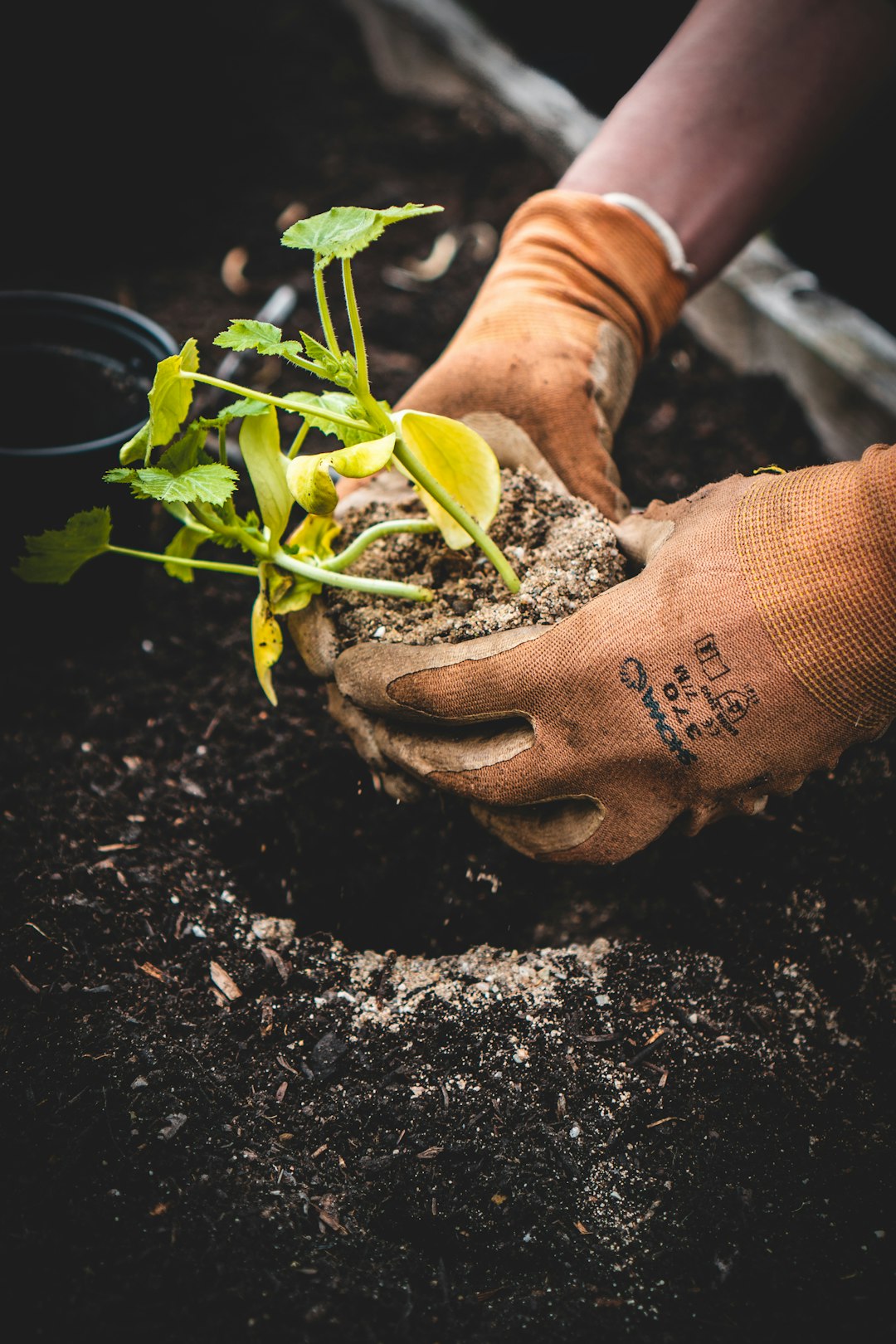
Choose one small, contained task rather than ‘doing the garden.’ Weeding a single bed, deadheading one rose bush, or transplanting three seedlings gives you a clear start and finish, which makes it much easier to stay present than an open-ended to-do list.
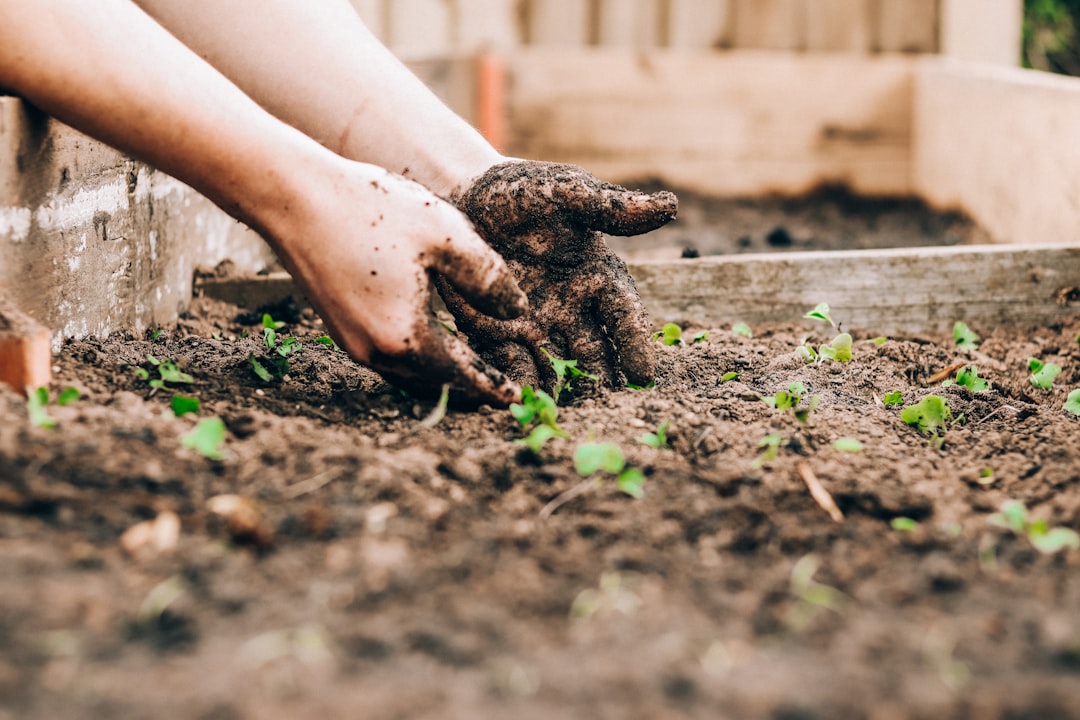
Anchor yourself in your senses as you work. Feel the temperature and texture of the soil between your fingers, notice the resistance of a root as you pull a weed, listen for birds or wind, and really look at the color and shape of a leaf instead of glancing past it. Sensory detail is what pulls a wandering mind back into the present moment.
Slow your pace on purpose. Move about twenty to thirty percent slower than feels natural — it sounds small, but it’s usually enough to shift a task from automatic to deliberate.
When your mind drifts to a work email or tomorrow’s errands (it will, repeatedly — that’s normal, not a failure), notice it without judgment and gently return your attention to your hands, your breath, or the plant in front of you. Treat every wandering thought as a rep, the same way you would in seated meditation.
Close with a moment of gratitude or reflection — even ten seconds of noticing what you accomplished or how the garden looks different than when you started helps the practice stick rather than blurring into the rest of your day.
Why Gardening Works So Well for Mindfulness
Gardening naturally builds in most of what makes mindfulness practices effective: a repetitive physical task that occupies just enough of your attention to quiet mental chatter, direct sensory input, and a slower pace than most of modern life. Researchers who study attention restoration and stress recovery point to time in green, growing spaces as a reliable way to shift out of a stressed, ruminating mental state — plants and soil don’t rush you, and they respond to a consistent, patient rhythm rather than urgency.
It’s also one of the few mindfulness practices with a visible, physical result. A meditation session ends and there’s often nothing to show for it; a gardening session ends with a weeded bed, a watered pot, or a newly planted seedling. That tangible outcome tends to keep people coming back to the practice even on days motivation is low.
Because it’s task-based rather than purely seated, mindful gardening is also a good entry point for people who find traditional seated meditation frustrating or hard to sit still for. The hands stay busy while the mind settles — which for many people is an easier path into presence than sitting with eyes closed.
Tips and Common Mistakes
Keep sessions short at first. Five to fifteen minutes of focused, mindful attention on one task beats an hour of gardening on autopilot while your mind is elsewhere. You can always extend the time once the habit feels natural.
Don’t turn it into a productivity project. The moment mindful gardening becomes another item you’re rushing to check off, or you’re gardening while listening to a podcast or taking calls, you’ve lost the presence that makes it useful. Save the multitasking gardening for other times.
Use containers or a small bed if you don’t have a full yard — mindful gardening works just as well with a few pots of herbs on a balcony as it does with an acre of land. Scale isn’t the point; attention is.
Stop before the task turns into cleanup or chore pressure. If you notice yourself rushing to finish so you can move on to the next thing, that’s a good stopping point — end there rather than pushing through and losing the benefit.
Try not to judge a wandering mind. New practitioners often expect stillness right away and get frustrated when their thoughts keep drifting to work or errands. That drifting-and-returning cycle is the practice itself, not a sign you’re doing it wrong.
Explore more: more mindfulness practices to try.
Mindful gardening FAQs
Do I need a big garden to practice mindful gardening?
No. A few pots on a windowsill, balcony, or patio work just as well as a full yard. The size of the space matters far less than how much attention you bring to the task in front of you.
How long should a mindful gardening session last?
Start with five to fifteen minutes focused on a single small task, like weeding one bed or watering a few pots. You can lengthen sessions once staying present starts to feel more natural.
What’s the difference between mindful gardening and regular gardening?
The tasks can be identical — the difference is attention. Mindful gardening means deliberately slowing down, engaging your senses, and gently returning your focus to the task whenever your mind wanders, rather than gardening on autopilot while thinking about something else.
Build Better Habits With ZenDuel
Track your habits and mood, stay accountable, and build a calmer routine — get the ZenDuel app. Get ZenDuel.
Want a calmer inbox? Subscribe to the free newsletter.
Photo by Sandie Clarke on Unsplash.
