You don’t need a silent room or a 20-minute app session to reset your nervous system — you need about 180 seconds, and you can find those between the last diaper change and the next request for a snack. The idea that mindfulness requires a dedicated practice block is exactly what keeps most exhausted moms from ever starting.
Table of Contents
This guide covers short, science-backed practices you can do standing at the stove, buckling a car seat, or sitting on the bathroom floor while someone yells your name through the door. No perfect conditions required — just a few seconds of attention, repeated on purpose.

Quick Answer
The fastest reliable reset is the physiological sigh: a double inhale through the nose followed by a long, slow exhale through the mouth, repeated for 1-3 cycles. It’s one of the quickest ways to calm your body in the moment, and it works standing up, mid-chaos, with your eyes open.
5 Practices You Can Do in 3 Minutes or Less
The physiological sigh (30-90 seconds): Inhale through your nose, then — without exhaling — take a second short, sharp inhale to top off your lungs. Exhale slowly and fully through your mouth. Repeat 2-3 times. This double-inhale, long-exhale pattern is what researchers at Stanford tested against several other breathing methods and standard mindfulness meditation; in that study it produced the biggest same-day boost in mood and the biggest drop in resting breathing rate, even after a single short session. It’s the closest thing to an instant off-switch for a stress spike — useful right before you walk back into a meltdown.
5-4-3-2-1 grounding (1-2 minutes): Silently name 5 things you can see, 4 you can touch, 3 you can hear, 2 you can smell, and 1 you can taste. This pulls your attention out of a spiraling to-do list and into the room you’re actually standing in. It works especially well in the car after drop-off, before you check your phone.
The one-mindful-task trick (ongoing, no extra time): Pick a task you already do every day — brushing your teeth, washing bottles, folding one shirt — and do it with full attention on the sensations involved: temperature, texture, sound. You’re not adding a task to your day, you’re changing how you do one you’re already doing.
Box breathing at a red light or in line (1 minute): Inhale for a count of 4, hold for 4, exhale for 4, hold for 4. Repeat for four rounds. It’s easy to do with your eyes open and hands on the wheel or stroller, which makes it one of the few practices that fits genuinely hands-busy moments.
The gratitude snapshot (30 seconds, bedtime-friendly): Before you fall asleep or during the last snuggle of the day, silently name one specific thing from the day that went right — not the whole day, just one moment. Specificity is what makes this land; “today was fine” doesn’t do much, but “she laughed so hard at breakfast” does.
Making It Actually Stick
Attach the practice to something that already happens every day rather than trying to remember it cold — the kettle boiling, the car seat click, the first red light, the toothbrush. Habit stacking like this removes the need for willpower or a reminder app.
Lower the bar further than feels necessary. One physiological sigh cycle counts. Naming three things you can see counts. The goal in this season of life isn’t a deep practice, it’s a repeated one — consistency at a tiny dose beats an ambitious plan you abandon by day three.
Let it be interrupted. If a practice gets cut off by a kid needing you, that’s not a failed attempt, it’s a completed one — you got the seconds of attention you got, and that’s the whole rep.
Tips / Common Mistakes
Don’t wait for a quiet moment that isn’t coming — build practices that work with noise and interruption in the room, not ones that require their absence.
Don’t judge a practice by whether your mind stayed quiet. Noticing that your mind wandered and coming back to your breath is the practice, not a sign you’re doing it wrong.
Don’t stack five new practices at once. Pick one — the physiological sigh is the easiest entry point since it needs no setup — and let it become automatic before adding another.
Don’t rely on an app alone if you rarely get a device-free moment; the practices above work with nothing in your hands.
Explore more: more mindfulness practices.
Mindfulness for busy moms FAQs
What is the fastest mindfulness technique for moms with no free time?
The physiological sigh — a double inhale through the nose and one long exhale through the mouth, repeated 2-3 times. It takes under a minute and needs no app, quiet space, or seated position.
Can mindfulness really work in just 3 minutes?
Yes. Short, repeated practices are generally easier to sustain than long sessions, and research on brief breathing exercises has found measurable mood and stress benefits after a single short session, not just after weeks of practice.
What if I get interrupted mid-practice?
That’s normal and expected with kids around. A practice that gets cut short still counts — you got the seconds of attention you did get. Treat interruptions as part of the practice, not a failure of it.
Do I need an app or guided audio to do this?
No. Every practice here — the physiological sigh, 5-4-3-2-1 grounding, box breathing, mindful daily tasks, and the gratitude snapshot — needs nothing but your attention. An app can help if you like structure, but it’s not required.
Build Better Habits With ZenDuel
Track your habits and mood, stay accountable, and build a calmer routine — get the ZenDuel app. Get ZenDuel.
Want a calmer inbox? Subscribe to the free newsletter.
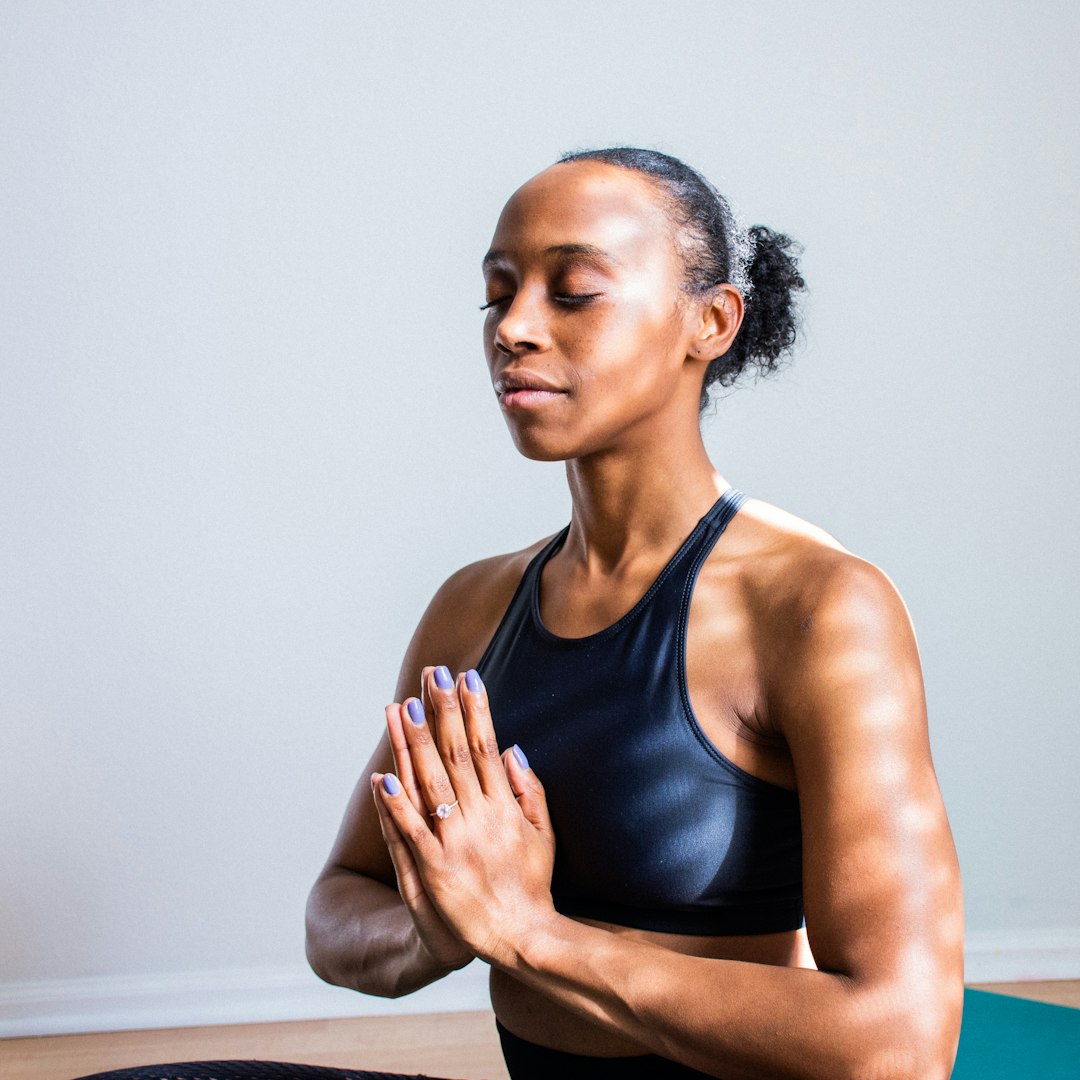
Photo by Darius Bashar on Unsplash.
