If you’ve ever left a therapy session unable to remember how you actually felt on Tuesday, you already know why mood tracking exists. Emotions shift by the hour, and memory smooths them into a vague blur — “this week was rough” — that’s too fuzzy to act on.
Table of Contents
Mood tracking fixes that by capturing how you feel in the moment, a few times a day, so patterns become visible instead of guessed at. This guide walks through how to start, what to log, how to read the data once you have it, and the mistakes that make most people quit within a week.

Quick Answer
Track your mood at consistent points each day using a simple 1-10 scale plus a short note on context (sleep, stressors, activities), then review the entries weekly to spot patterns you can act on — like a recurring dip on Sunday evenings or a link between poor sleep and irritability the next day.
How to Start Tracking Your Mood
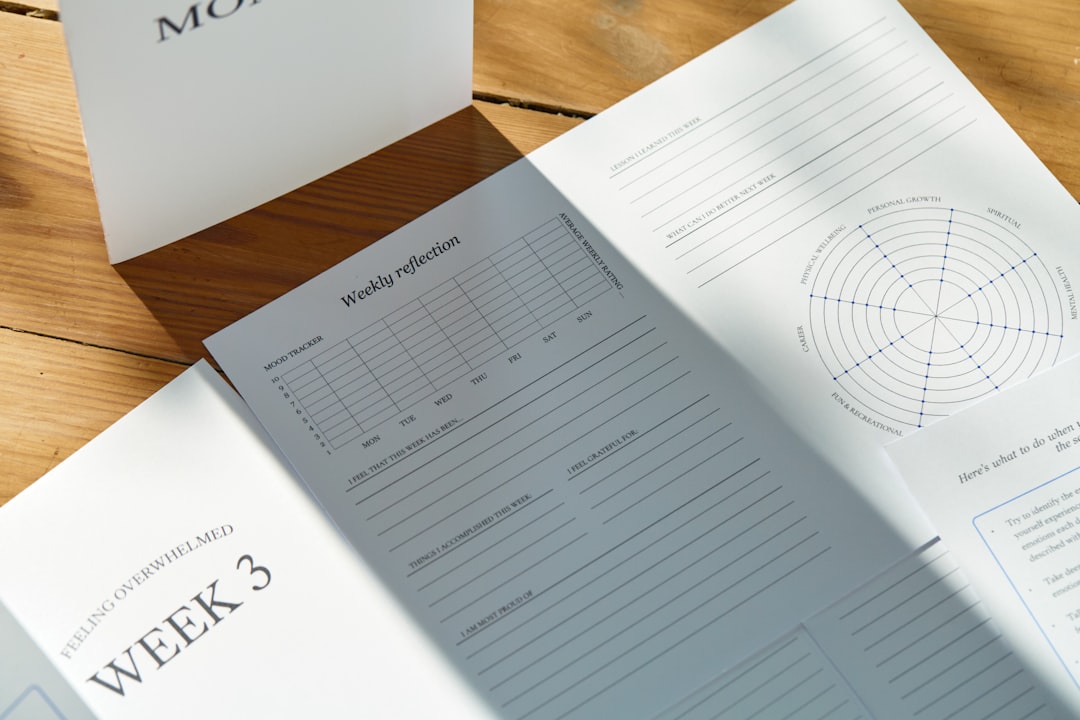
Pick a format you’ll actually use. A notes app, a paper journal, or a dedicated mood-tracking app all work — the best tool is whichever one you won’t abandon after three days. If you want structure, borrow the format used in dialectical behavior therapy (DBT): a daily “diary card” where you rate a few core emotions (e.g., sadness, anger, anxiety, joy) on a 0-10 scale, note any urges to engage in unhelpful behaviors, and record which coping skills you used.
Log at consistent times. Two or three fixed check-ins a day — morning, midday, evening — give you a more accurate picture than one end-of-day guess, because you’re rating how you feel right now instead of reconstructing the whole day from memory. If a fixed schedule feels like too much, a single evening entry is still far better than nothing, as long as you do it daily.
Capture context, not just the number. A mood score alone tells you little. Pair it with a short note on what happened: hours of sleep, what you ate, whether you exercised, who you interacted with, and any specific stressors or wins. This context is what turns a string of numbers into something you can actually explain and act on.
Keep entries short. Fifteen seconds of typing in the moment beats a detailed five-minute reconstruction three days later, both because it’s more accurate and because it’s the only version you’ll realistically keep doing.
Reading the Data and Spotting Patterns
Review weekly, not daily. Looking at a single day’s mood tells you almost nothing; looking at two to four weeks of entries starts to reveal real patterns — a consistent dip on Sunday evenings, a mood drop that follows short sleep by a day, or irritability that spikes after certain social interactions.
Look specifically for triggers and early warning signs. Scan your notes for recurring situations, people, or habits that show up before a low-mood stretch. Many people also find their mood correlates with sleep quality, physical activity, caffeine or alcohol, and time of month — cross-reference your mood scores against these factors once you have a few weeks of data.
Bring the data to your therapist or provider if you’re working with one. Objective logs of mood, sleep, and behavior over time give a clinician far more to work with than “I’ve been feeling off lately,” and can help track whether a medication change or new coping skill is actually making a difference.
Tips and Common Mistakes
Don’t aim for perfection. Missing a day or two won’t ruin your data — treat mood tracking as an ongoing habit, not a streak to protect. Beating yourself up for a missed entry defeats the purpose of a tool meant to reduce self-judgment.
Avoid vague labels like “bad day.” A 0-10 scale or a specific emotion word (anxious, lonely, frustrated) is far more useful later than a blanket “good” or “bad,” which tells future-you nothing about what actually happened.
Don’t use it as a report card. The goal is honest data, not a performance you’re trying to pass. Rating a rough day accurately is more valuable than rounding it up to look better in your own log.
Give it real time before judging whether it’s helping. Patterns tied to weekly or monthly cycles won’t show up after three days — most people need several weeks of consistent entries before trends become visible.
Explore more: more mental health guides.
Mood tracking FAQs
How often should I track my mood?
Two to three times a day (morning, midday, evening) gives the most accurate picture, but a single consistent evening entry every day is a solid minimum that’s easier to sustain.
What should I actually write down besides a mood score?
Note sleep, stressors, activities, social interactions, and any urges or coping skills used. This context is what lets you connect mood changes to specific causes later.
Can mood tracking replace therapy or medication?
No. It’s a self-awareness and monitoring tool that complements treatment — many therapists use mood logs to guide sessions and track whether an intervention is working, but it isn’t a substitute for professional care.
What if I keep forgetting to log my mood?
Attach the habit to something you already do daily, like a meal or bedtime routine, and keep entries short enough (a few seconds) that skipping feels harder than doing it.
Build Better Habits With ZenDuel
Track your habits and mood, stay accountable, and build a calmer routine — get the ZenDuel app. Get ZenDuel.
Photo by pure julia on Unsplash.
