Mindfulness and mental wellness made dramatic headlines this week, from a landmark immune-system drug that outperformed standard antidepressants in treatment-resistant depression to back-to-back Phase 3 psilocybin wins that could reshape psychiatry. As mindfulness and mental wellness research accelerates across clinical labs, behavior science departments, and digital health platforms, the week of May 31, 2026 delivered 13 findings that practitioners, patients, and habit-builders need on their radar.
Table of Contents
Mindfulness & Meditation Research
Brief Mindfulness Sessions May Amplify Bias, Study Warns
A peer-reviewed study from the University of Duisburg-Essen, published May 10 and covered by News-Medical, found that short breathing meditation sessions actually increased stereotype-driven decision-making compared to progressive muscle relaxation. Researchers suggest that brief, decontextualized sessions may heighten self-awareness without providing enough cognitive resources to override automatic biases. This is not a verdict against mindfulness broadly — longer structured programs like MBSR were not tested — but it signals that duration and context matter as much as the practice itself. If you rely on short sessions for reactivity, pairing them with deeper work pays off; see our guide to ADHD mindfulness strategies that actually work for a framework built around sustained practice.
Psilocybin Scores a Historic Phase 3 Win for Treatment-Resistant Depression
Compass Pathways announced at the 2026 ASCP Annual Meeting that both of its Phase 3 trials — COMP005 and COMP006 — hit their primary endpoints at p<0.001. Reported by Psychiatric Times, COMP360 (25mg psilocybin) produced a 3.8-point improvement on the Montgomery-Åsberg Depression Rating Scale, with effects beginning within 24 hours of a single dose and lasting 26 weeks. Two successful Phase 3 trials in succession represents the most rigorous clinical support ever assembled for a psychedelic-assisted treatment and sets up a likely FDA submission in late 2026.
AI Companions Are Reshaping Meditation App Experiences
Major wellness platforms are embedding AI-powered companions to personalize practice at scale. Headspace’s “Ebb” AI guide and competing products now offer adaptive session recommendations, spatial audio environments, and haptic feedback that adjusts to real-time stress indicators. The personalization potential is real, but researchers note that AI companions lack the relational depth of human teachers — the most durable mindfulness outcomes in clinical settings still trace back to guided instruction and community accountability.
Seven Days of Mind-Body Practice Measurably Alters the Brain
A study highlighted on ScienceDaily found that just one week of intensive mind-body practice — including mindfulness meditation — produced measurable shifts in neural connectivity, boosted immune signaling, and elevated the brain’s natural pain-relief compounds. Participants showed improved cognitive efficiency even after the week ended, pointing to high-dose short immersives as a practical alternative for people who cannot sustain a daily long-form routine.
Habit & Behavior Science
Two-Thirds of Daily Behavior Runs on Autopilot, Research Confirms
Research published earlier in 2026 established that roughly 65% of everyday behavior is triggered automatically by environmental cues rather than conscious decisions — and most of those automatic behaviors actually serve personal goals like healthy routines and productive work. USC habit scientist Wendy Wood’s long-term habit change research reinforces the same conclusion: willpower is overrated; stable context cues and structured environments are the real engines of lasting behavior change. For a practical system grounded in this science, our deep-dive on identity-based habits translates the research into daily application.
Stanford Trial: Digital Microstep Nudges Trigger Real Habit Shifts
A Stanford randomized controlled trial published in March 2026 showed that sending GLP-1 medication users “microstep prescriptions” — bite-sized digital nudges for nutrition, activity, sleep, and stress management — catalyzed meaningful behavior change in the critical early weeks of treatment. The study, covered by Stanford Medicine, found that specificity is everything: open-ended wellness advice failed, while tiny, concrete next actions produced measurable results. The principle applies to any habit intervention — precision outperforms aspiration.
WashU Study: Text-Coached App Cuts Student Anxiety and Depression Over Two Years
Washington University researchers published findings in May 2026 showing that a smartphone app combining interactive self-guided tools with human text coaching significantly reduced depression, anxiety, and disordered eating symptoms in college students across a two-year follow-up, reported by WashU The Source. The human coaching component — not the app algorithms alone — was the critical engagement driver, suggesting hybrid digital-human models outperform fully automated solutions. If academic or career stress is disrupting your routines, our burnout recovery steps offer complementary grounding strategies.
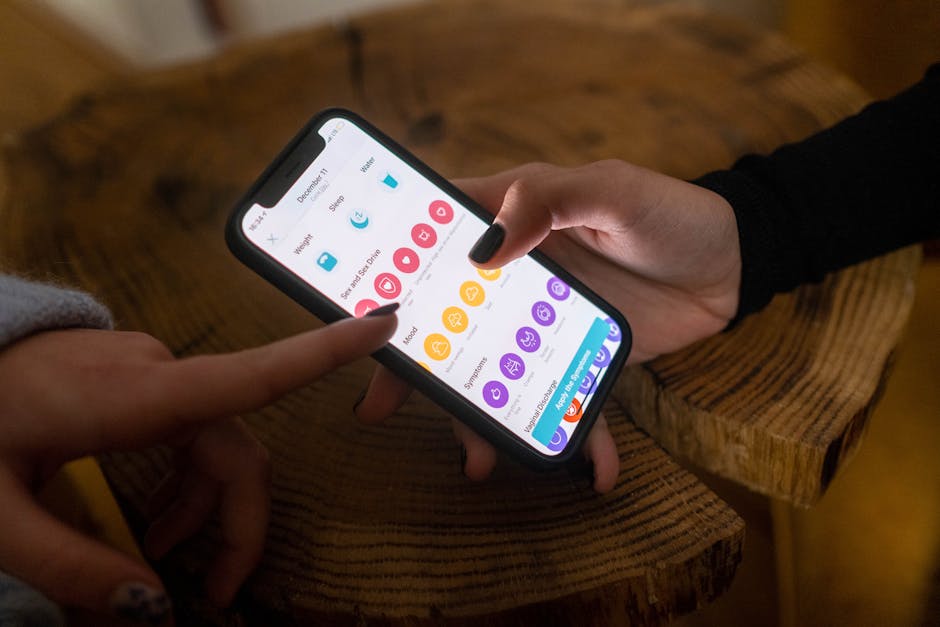
Habit Formation Timeline Varies Wildly — Four Days to Nearly a Year
Research from April 2026 quantified how individually variable habit formation actually is: depending on the behavior, the person, and the context, a new habit can solidify anywhere between 4 and 335 days. The practical implication is to stop measuring yourself against the widely cited but scientifically unsupported “21-day rule.” The real signal that a habit is taking root is increasing effortlessness — the behavior starts to feel strange to skip rather than strange to do.
Irregular Meal Times Amplify Depression Risk, Nationwide Survey Finds
A large nationwide survey published in May 2026 found that eating at irregular times significantly raises the likelihood of depression symptoms, with breakfast-skippers showing the highest elevated risk. Dietary diversity appeared to buffer some of the association. The finding intersects with circadian biology research showing that irregular meal timing signals schedule chaos to the brain’s mood-regulating systems — making consistent meal timing a potentially underrated lever in any mindfulness and mental wellness routine.
Mental Wellness Trends
Immune-Targeting Drug Achieves 54% Remission in Treatment-Resistant Depression
The week’s most striking clinical story: University of Bristol researchers published results in JAMA Psychiatry showing that tocilizumab — an existing anti-inflammatory drug that blocks the IL-6 immune pathway — produced a 54% remission rate in patients with treatment-resistant depression versus 31% in the placebo group, as reported by ScienceDaily on May 28. The drug also reduced fatigue and anxiety and improved quality of life — a combined outcome that standard antidepressants rarely achieve. Phase III trials are being planned, and the result adds powerful new evidence that depression is often an inflammatory condition rather than a simple serotonin deficit.
AI Note-Taking in Therapy Triggers National Privacy Debate
NPR’s May 26 investigation revealed that while AI transcription and note-taking tools are gaining rapid adoption among therapists for documentation relief, a national survey found that only 11% of Americans are open to AI involvement in their mental health care, and just 8% actively trust it. Patients are frequently unaware that AI tools are even present in their sessions. The NPR report highlights a growing urgency for clearer professional ethics guidelines and explicit patient consent protocols before AI becomes a standard feature of the therapy room.
EMDR Therapy Expanding Into Universities and Regional Health Systems
The EMDR International Association’s May 29 news roundup highlighted accelerating institutional adoption of Eye Movement Desensitization and Reprocessing therapy at university counseling centers and regional healthcare networks. As trauma-informed care becomes a broader organizational priority, EMDR — long validated for PTSD — is being applied to anxiety, grief, and even performance blocks. Clinician training programs are scaling rapidly to meet demand.
Digital Platforms Are Compressing the Mental Health Access Gap
Across the sector, technology is fundamentally reshaping who can access mental wellness support. From teletherapy marketplaces to AI-enhanced screening tools to guided CBT apps, May 2026’s landscape shows the access gap narrowing — particularly for rural populations and those deterred by cost or stigma. Analysts project the mental health technology market will grow from roughly $8 billion today to over $22 billion by 2033, driven by AI integration and behavioral health convergence.
Sources
- ScienceDaily — New depression treatment targets the immune system instead of the brain
- News-Medical — Can meditation backfire? Study finds brief mindfulness may heighten stereotype bias
- NPR — Mental health therapists who use AI to take notes face questions about trust
- Psychiatric Times — COMP360 Psilocybin Achieves Primary Endpoint in Phase 3 Trial for Treatment-Resistant Depression
- WashU The Source — Study finds digital therapy app improves student mental health
Frequently Asked Questions
What did the brief mindfulness backfire study actually find?
University of Duisburg-Essen researchers found that short breathing meditation sessions increased stereotype-based decision-making compared to progressive muscle relaxation. The key caveat: this applied only to brief, decontextualized sessions — not to structured programs like MBSR. Longer, teacher-guided mindfulness practice was not tested and remains well-supported by evidence.
How significant is the Compass Pathways psilocybin Phase 3 result?
Highly significant. Two separate Phase 3 trials both hit their primary endpoint at p<0.001, the highest statistical threshold typically required for regulatory approval. With effects lasting up to 26 weeks from just one or two doses, this positions COMP360 for a likely FDA submission in late 2026 — potentially the first approved psychedelic therapeutic for depression.
How does the immune-targeting drug tocilizumab work for depression?
Tocilizumab blocks the IL-6 pathway in the immune system, reducing systemic inflammation that is increasingly understood to drive depression in a subset of patients — particularly those who haven’t responded to serotonin-based drugs. The Bristol trial showed 54% remission versus 31% for placebo in treatment-resistant cases, with additional reductions in fatigue and anxiety.
What is the most practical takeaway from the habit science research this week?
Two complementary findings: first, about 65% of what you do daily is already automatic, so your environment is more powerful than your willpower. Second, habit formation timelines vary enormously (4 to 335 days), meaning progress is better measured by increasing effortlessness than by counting days on a calendar.
Is it safe to use AI tools in mental health therapy?
Current evidence suggests most patients are unaware when AI tools are being used in their sessions, and only 8% of Americans trust AI in mental health contexts according to recent surveys. If you’re in therapy, ask your therapist directly whether AI is used for note-taking or analysis, and review any consent documentation carefully. Professional guidelines on AI disclosure are still being developed.
