Best meditation apps are not always the most popular ones, and the right choice depends on your goals, your stage of practice, and your tolerance for different teaching styles. The market has matured significantly over the past decade, and several apps now offer genuinely high-quality content backed by clinical research. Others coast on slick design and celebrity narrators. This guide cuts through the marketing to identify which meditation apps actually help people build sustainable practice, what each one does well, and what to look for if none of the major apps work for you. The honest answer is that the best app is the one you actually open every day, and consistency matters more than which logo is on the icon.
Table of Contents
What to Look for in a Meditation App
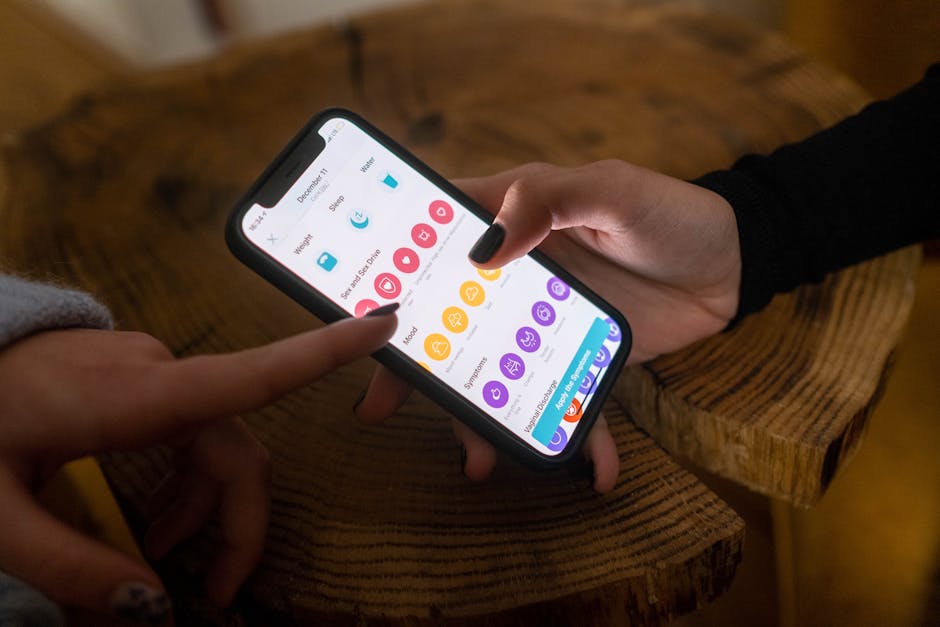
Before choosing an app, decide what you want from your practice. If you want guided sessions across many topics, large-library apps are better. If you want a single teacher and a structured curriculum, a smaller app may serve you better. If you want raw timer functionality without guidance, free options work fine.
According to research summarized by the American Psychological Association, the most clinically validated apps share certain features: progressive course structure, varied session lengths, tracking that supports motivation without becoming obsessive, and content from credentialed teachers. Use these criteria when comparing options.
Headspace
Headspace remains one of the most beginner-friendly options. The animated explainers, structured Foundations course, and consistent narrator voice make it especially good for people who have never meditated before. The library is broad, covering sleep, focus, anxiety, kids, and movement.
The downside is that Headspace can feel overly polished for some practitioners who prefer rawer, more traditional teaching. The cost is also relatively high. But if you are starting from zero and want a friendly entry point, Headspace earns its reputation. It pairs well with the gradual approach described in our piece on how to build a meditation practice from scratch.
Calm
Calm is the broadest of the major apps and goes well beyond meditation. The Sleep Stories library is genuinely impressive, with celebrity narrators reading slow, calming content designed to ease you into sleep. The Daily Calm sessions provide a 10-minute structured meditation each day with a different theme.
Calm works well for people who want a wellness app rather than a pure meditation app. The breadth is also the weakness for serious practitioners who want depth in a specific tradition or technique. According to Calm’s published research summaries, the app has been studied in multiple peer-reviewed trials with positive results for sleep and anxiety reduction.
Insight Timer
Insight Timer is the largest and most diverse meditation library available, with over 200,000 free guided meditations from teachers around the world. This is the closest thing to a meditation YouTube. The free tier alone provides more content than most paid apps, which makes it the best value for budget-conscious practitioners.
The trade-off is that quality varies dramatically. With so many teachers, you will find some excellent ones and some less polished. The discovery experience requires more effort. But for experienced practitioners who know what they want, Insight Timer is hard to beat. The basic timer feature, with optional interval bells, also works well for silent practice.
Smaller and Specialized Apps
Beyond the big three, several smaller apps deserve mention. Waking Up by Sam Harris offers a structured course with deep philosophical content. Ten Percent Happier focuses on practical secular meditation with strong teacher diversity. Smiling Mind is free and developed in Australia for educational use, especially good for kids and teens.
For very specific needs, niche apps may serve you better than general ones. Apps focused on yoga nidra, breathwork, or specific traditions like Zen or Vipassana exist if you want depth. The criteria from the HelpGuide stress and relaxation resource apply: look for credentialed teachers, structured progression, and reasonable session lengths.
What Matters More Than Which App You Pick
Honestly, the app matters less than the daily commitment. People who switch apps every two weeks rarely build a real practice. Pick one that mostly works, commit to 30 days of consistent use, and only consider switching after you have given it a real chance. The 30-day commitment is consistent with the structure outlined in habit stacking, which shows how to anchor new practices to existing routines for higher follow-through.
Also remember that no app substitutes for in-person teaching when you are dealing with serious mental health issues. Apps are good for daily maintenance and beginner skill-building. They are not therapy. If meditation surfaces difficult emotions or memories, work with a qualified therapist alongside the app, not instead of one.
Frequently Asked Questions
Which meditation app is best for beginners?
Headspace and Calm are the most beginner-friendly. Both offer structured introductions and friendly tone. Try the free trial of each to see which voice you prefer.
What is the best free meditation app?
Insight Timer offers the most free content. Smiling Mind is also entirely free and high quality, especially for kids and teens.
Are paid meditation apps worth the cost?
For some people, yes. The structured courses and content quality can accelerate learning. For others, free apps and YouTube content are sufficient.
Can meditation apps replace in-person teachers?
For daily maintenance and skill-building, often yes. For deeper questions, retreats, or trauma-related practice, in-person teachers are usually better.
How often should I switch apps?
Avoid switching frequently. Commit to 30 days of consistent use before evaluating. Most people who switch often never build a stable practice.
