Mindful parenting is the daily practice of bringing intentional attention, regulated emotions, and curiosity to your interactions with your kids, especially in the moments when you are most likely to react on autopilot. It is not a parenting style or a curriculum to perfect. It is a slow shift in how you show up. Mindful parenting research, much of it built on Jon Kabat-Zinn’s clinical work, consistently shows reduced parental stress, fewer reactive blow-ups, and stronger connection with children of all ages. The practice also models emotional regulation skills your kids absorb just by watching you, which may be the most lasting gift of the whole approach.
Table of Contents
What Mindful Parenting Actually Means

Mindful parenting is not gentle parenting, attachment parenting, or any other branded methodology. It is simply the application of mindfulness skills to the relationship you already have with your children. You notice when you are about to react. You pause. You choose a response that aligns with the kind of parent you actually want to be.
This sounds simple and is brutally difficult. Parenting consistently triggers our oldest emotional patterns, often the same ones we experienced as children. According to research published by the American Psychological Association, mindful parenting interventions reduce parental stress and improve parent-child relationship quality across multiple age groups and family types.
The Pause Before Reacting
The single highest-leverage skill in mindful parenting is the brief pause between feeling and responding. When your three-year-old throws their cup of water across the room or your teenager slams a door, your nervous system fires a stress response. Without a pause, you act on that response. With a pause, even one second long, you have a chance to choose differently.
Build the pause through repetition. Practice noticing your physical signals of escalation: tight jaw, raised shoulders, faster heart rate. The faster you catch the signals, the longer your pause becomes. This skill grows alongside the foundational regulation work in our piece on 12 self-care ideas for busy professionals, which covers practices that build baseline calm.
Repair Over Perfection
Mindful parenting does not require you to never lose your temper. It requires you to repair when you do. When you snap at your kid, raise your voice, or react in a way you regret, the repair conversation matters more than the perfect moment you missed.
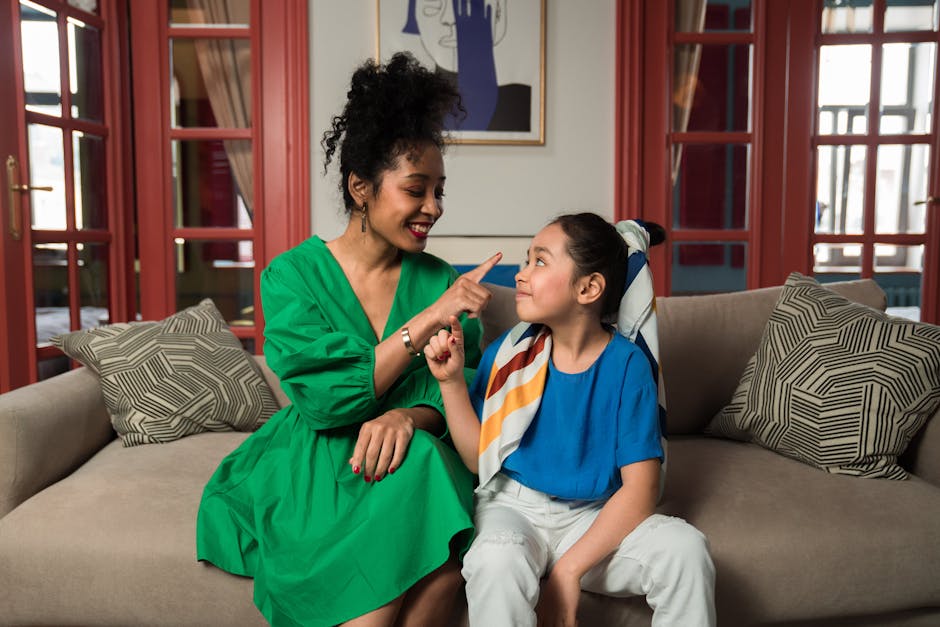
Repair sounds like: “I yelled earlier and that was not okay. You did not deserve that. I was overwhelmed, and I am sorry. I am working on handling those moments better.” This models that mistakes are normal, accountability is possible, and relationships can be mended. It also gives your kids the script for repair in their own future relationships. According to Mindful.org’s parenting resources, the parent who repairs consistently builds stronger attachment than the parent who never loses it.
Mindful Listening to Children
Most adults barely listen to children. We hear words while planning the next thing we need to say or do. Mindful listening means putting down your phone, turning toward your child, and giving them your full attention for the duration of what they want to say, even when it is the third detailed retelling of a Minecraft adventure.
This kind of attention is rare and your kids notice. You do not have to do it all the time. Aim for one focused listening moment per day with each child. Often it happens at bedtime, in the car, or during a shared task like cooking. The quality of these moments compounds over years and shapes how connected your kids feel to you well into adulthood.
Modeling Self-Regulation Out Loud
Your kids learn emotional regulation primarily by watching you. Narrating your own regulation makes the learning explicit. Say things like “I am feeling really frustrated right now, so I am going to take three deep breaths” or “I need a minute to calm down before we keep talking about this.”
This is not weakness. It is teaching by example. Kids who watch a parent name and regulate emotions develop the same skills with much less effort than kids who only see suppression or explosion. Combined with the broader morning routine work described in morning routine habits that transform your mental health, this kind of self-regulation modeling becomes a daily practice that benefits the whole family. Mindful parenting is messy, lifelong, and worth every awkward moment.
Frequently Asked Questions
What age children does mindful parenting work for?
All ages, from infants through adult children. The specific practices change with the age, but the core skills of presence, pause, and repair apply throughout.
Do I have to meditate to practice mindful parenting?
No, but a personal mindfulness practice strengthens your parenting practice significantly. Even five minutes daily helps.
What if my partner does not practice mindful parenting?
Your practice still matters. Children benefit from any consistent regulated relationship, even if only one parent is doing the work.
Will my kids become better behaved if I practice mindful parenting?
Often yes, but indirectly. The bigger benefit is in the relationship quality and the emotional skills your kids develop by watching you.
How long until I see changes?
Many parents notice their own stress drop within a few weeks. Changes in family dynamics typically appear within two to three months of consistent practice.
