4-7-8 breathing is a structured breath technique developed by Dr. Andrew Weil that uses a precise rhythm of inhale, hold, and extended exhale to rapidly downshift your nervous system. The pattern is simple: breathe in through your nose for four seconds, hold for seven seconds, and exhale through your mouth for eight seconds. Each round takes about 19 seconds, and most people feel meaningful calm after just three to four rounds. The technique is especially effective for falling asleep, breaking out of anxious thought spirals, and recovering quickly after stressful interactions. It works because the long exhale activates your vagus nerve and shifts your autonomic state from sympathetic to parasympathetic dominance.
Table of Contents
The Science Behind the 4-7-8 Pattern
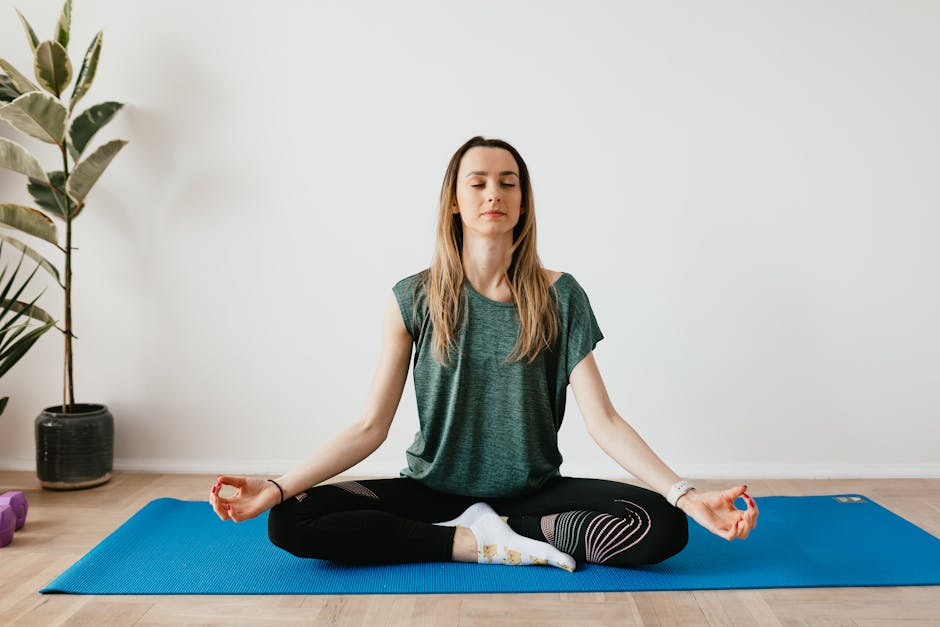
The extended exhale is the key ingredient. When your exhale is significantly longer than your inhale, you trigger a parasympathetic response that lowers heart rate, reduces blood pressure, and calms the stress response. The seven-second hold adds an additional layer of carbon dioxide tolerance training that improves over time.
Research published by the National Library of Medicine on slow breathing techniques shows consistent reductions in anxiety and improvements in heart rate variability. The 4-7-8 ratio falls within the optimal range for parasympathetic activation identified across multiple controlled studies.
Step-by-Step Practice
Sit or lie down with your spine relatively straight. Place the tip of your tongue on the ridge of tissue just behind your upper front teeth. Exhale completely through your mouth, making a soft whoosh sound. Close your mouth and inhale quietly through your nose for four counts. Hold your breath for seven counts. Exhale completely through your mouth for eight counts, again with the whoosh sound.
That is one round. Repeat for a total of four rounds. Resist the urge to do more in your first week. The practice is more potent than it looks, and beginners sometimes feel lightheaded if they push too quickly. Consistency at four rounds, twice daily, builds the foundation safely.
Best Times to Use 4-7-8 Breathing
The two highest-leverage moments are at bedtime and during acute stress. At bedtime, do four rounds while lying down with eyes closed. Many people fall asleep before completing the rounds, which is exactly the desired effect. Used nightly, the technique becomes a Pavlovian sleep cue.
During acute stress, four rounds before a difficult conversation, presentation, or hard email gives you a rapid nervous system reset. This pairs naturally with other quick calming tools described in our piece on self-care ideas for busy professionals, which covers small daily practices that fit into busy schedules.
Common Mistakes and Adjustments
The two most common errors are rushing the count and forcing the breath. The seconds should be relatively slow, but more importantly they should be even. If eight seconds of exhale feels impossible, scale the ratio while keeping the proportions: try 2-3.5-4 or 3-5-6. The 4-7-8 ratio matters more than the absolute number of seconds.
Some people feel anxious during the seven-second hold, especially in the first few sessions. This is your nervous system unfamiliar with breath retention. It typically resolves within a week of practice. According to Healthline’s overview of 4-7-8 breathing, regular practice expands carbon dioxide tolerance and the holds become comfortable.
Building 4-7-8 Into a Daily Routine
The recommended schedule is two sessions per day of four rounds each, ideally morning and evening. After two months, you can increase to eight rounds per session if you want, but most people get sufficient benefit at four rounds. The technique is portable and can be done anywhere: in your car before walking into work, at your desk between meetings, in bed before sleep.
For best results, combine 4-7-8 breathing with other foundational practices like consistent sleep timing, morning sunlight exposure, and regular movement. These habits stack on each other, and breathing techniques work better against a backdrop of generally healthy nervous system regulation. Over weeks of practice, 4-7-8 breathing becomes a reliable tool you can call on in nearly any situation.
Frequently Asked Questions
How quickly does 4-7-8 breathing work?
Most people feel a meaningful calming effect within three to four rounds, which takes about one minute total.
Can I do more than four rounds?
Beginners should stick to four rounds twice daily for the first two months. After that, you can extend to eight rounds per session if desired.
Is 4-7-8 breathing safe during pregnancy?
Generally yes, but check with your doctor first. Some breath techniques with extended holds are not recommended during pregnancy.
Can it really help me fall asleep?
Yes, for many people. The extended exhale and relaxation response produced by the practice are well-suited to sleep onset. Use it lying down with eyes closed.
What if I feel lightheaded?
You may be pushing the count too aggressively. Scale the ratio while keeping the proportions, like 2-3.5-4. Stop if symptoms persist and consult a healthcare provider.
