Looking for the complete, updated guide? Read Box Breathing for Anxiety: The 4-4-4-4 Technique.
Table of Contents
Box breathing is one of the simplest and most effective tools for calming anxiety in real time, and it works because it directly engages your parasympathetic nervous system. Used by Navy SEALs, ER doctors, and people stuck in traffic with rising panic, box breathing follows a clean four-part rhythm: inhale, hold, exhale, hold. Each phase lasts the same number of seconds, usually four. The technique is portable, free, requires no equipment, and produces measurable shifts in heart rate and cortisol within a single round. If you have ever felt your chest tighten in a meeting or before a difficult conversation, this is the practice to learn first.
Why Box Breathing Works on a Physiological Level
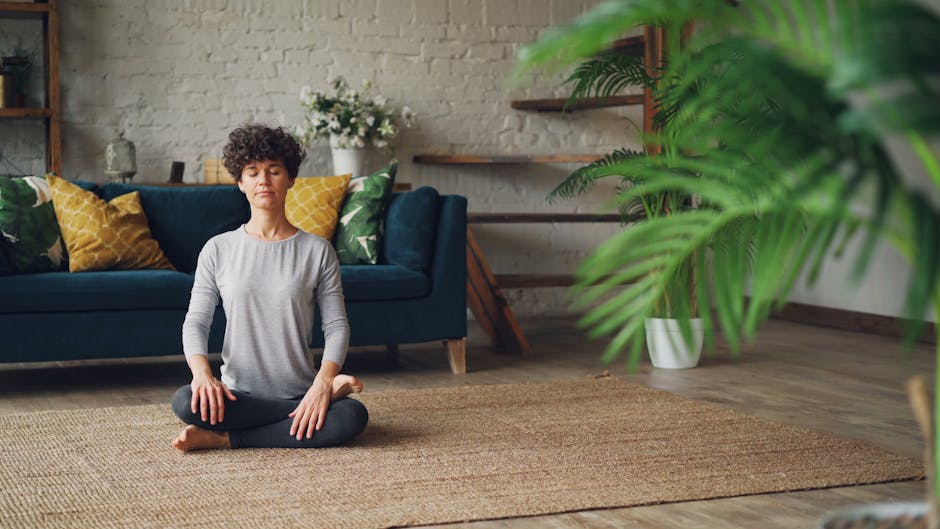
When you are anxious, your breath becomes shallow and rapid, which signals to your brain that danger is present. Box breathing reverses that signal. The slow exhale activates the vagus nerve, which is your body’s brake pedal for the stress response. The brief breath holds add a layer of vagal stimulation that you cannot get from regular slow breathing alone.
Research published by the National Library of Medicine shows that controlled paced breathing at six breaths per minute produces consistent reductions in blood pressure and self-reported anxiety. Box breathing fits neatly into this evidence base while being easier to remember than most other paced techniques.
The Standard 4-4-4-4 Pattern
The classic box breathing pattern is four seconds inhale, four seconds hold, four seconds exhale, four seconds hold. Picture tracing the four sides of a square. Repeat for four to six rounds, which takes about two minutes total. Most people feel a noticeable shift after the third round.
If four seconds feels too long or too short, scale the count. A 3-3-3-3 pattern works for beginners or during high-acute anxiety. A 5-5-5-5 or 6-6-6-6 pattern works once you have built capacity. The shape of the box matters more than the exact length of each side.
When and Where to Use Box Breathing
The best time to use box breathing is the moment you notice the first signal of stress: a tight jaw, a knot in your stomach, the urge to check your phone for the fifth time. Do not wait until you are in full panic. Earlier intervention requires fewer rounds.
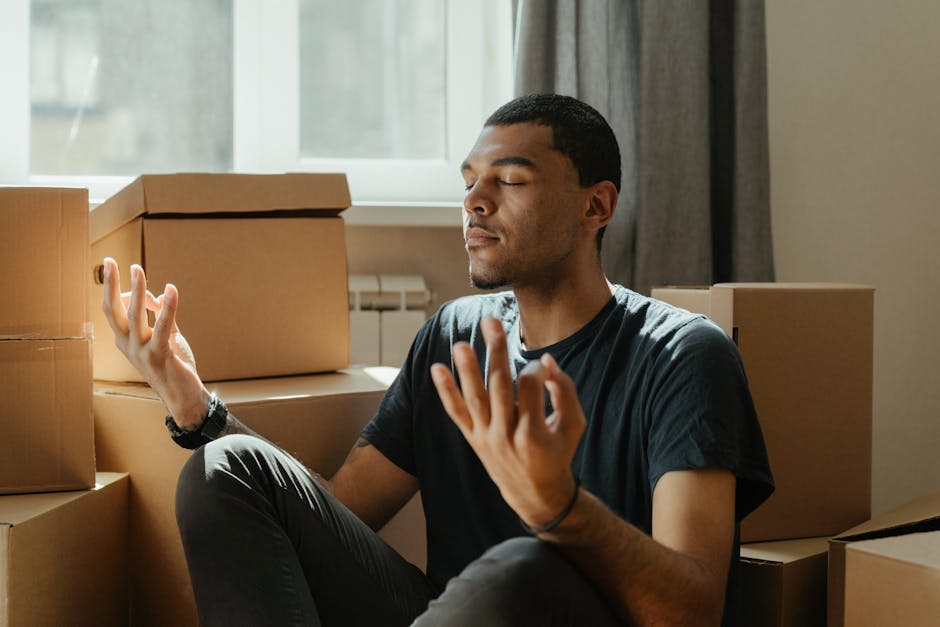
Build the technique into transition moments throughout your day. Before opening your laptop, before answering a difficult email, before walking into your home after work. These small reset moments compound and pair well with the broader principles in our guide on morning routine habits that transform your mental health.
Common Mistakes to Avoid
Forcing the breath is the most common error. Box breathing should feel smooth and unhurried, not strained. If you feel lightheaded, you are pushing too hard. Drop the count or take a normal breath and start again.
Holding tension in your shoulders during the holds is the second pitfall. The hold is not about clenching. It is a soft pause where the breath simply rests. Drop your shoulders, soften your jaw, and let your hands relax. Calm’s guide to box breathing includes helpful visualizations if you find your mind drifting during the holds.
Combining Box Breathing With Other Practices
Box breathing pairs well with grounding techniques and short body scans. After two minutes of box breathing, take 30 seconds to notice five things you can see, four you can hear, and three points where your body contacts the chair. This combination addresses both the physiological and cognitive sides of anxiety.
Used daily, box breathing also strengthens your interoceptive awareness, which is your ability to sense what is happening inside your body. This is one of the underlying skills that makes longer meditation sessions productive rather than restless. The two practices reinforce each other when you weave them together over weeks of consistent use.
Frequently Asked Questions
How long should I practice box breathing?
Two minutes, roughly four to six rounds, is enough to shift your nervous system. You can extend to five minutes if you have time, but longer is not necessarily better.
Can box breathing replace medication for anxiety?
No. Box breathing is a complementary tool, not a replacement for medical treatment. Talk to your doctor before changing any prescribed medication.
Is it safe during a panic attack?
Yes, but use a shorter count like 3-3-3-3 if longer holds feel uncomfortable. Some people find exhale-emphasized breathing easier during acute panic.
How often can I do box breathing in a day?
As often as needed. Many practitioners use it three to five times daily as a reset between activities. There is no upper limit.
Do I need to close my eyes?
No. You can do box breathing with eyes open in any setting. This is part of what makes it so practical for real-world anxiety moments.
