Progressive muscle relaxation is a structured technique developed in the 1930s by physician Edmund Jacobson that systematically tenses and releases muscle groups throughout the body to produce deep physical and mental calm. The practice rests on a simple physiological insight: when you deliberately tense a muscle and then release it, the relaxation that follows goes deeper than just letting go in the first place. This makes progressive muscle relaxation especially valuable for people who carry chronic tension they cannot consciously feel or release. Decades of clinical research support the technique for anxiety, insomnia, chronic pain, headaches, and high blood pressure, and it remains one of the most evidence-based relaxation methods in use today.
Table of Contents
Why Tension and Release Works
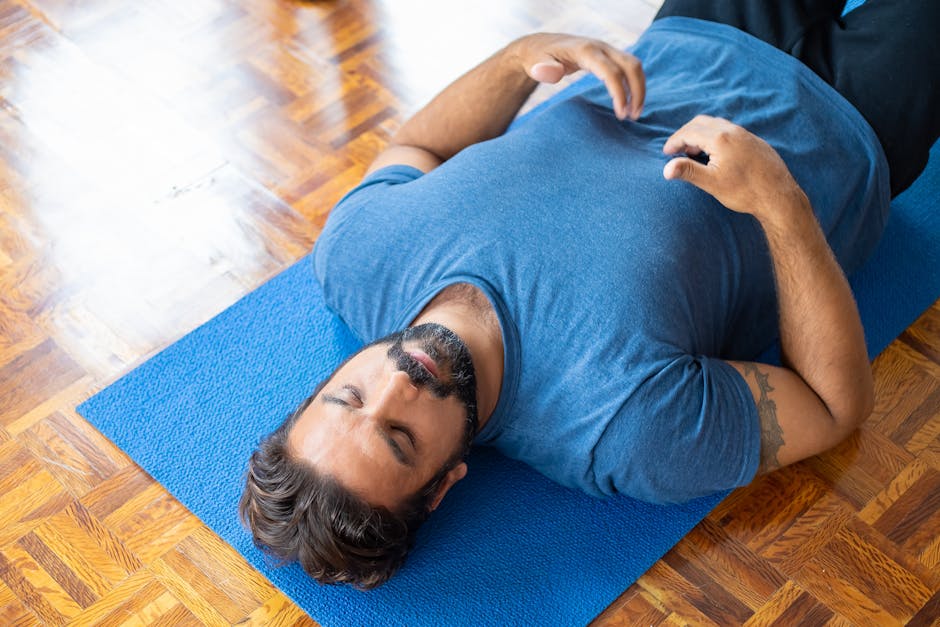
Most chronically stressed people have lost the ability to feel where their body holds tension. The shoulders, jaw, and forehead may be locked tight all day without conscious awareness. By deliberately tensing those muscles for five to seven seconds and then releasing, you create a clear contrast that the nervous system can detect. The release produces a measurable parasympathetic response.
Research published by the National Library of Medicine on progressive muscle relaxation shows consistent reductions in cortisol, blood pressure, and self-reported anxiety after just two weeks of daily practice. The effects compound with longer practice and rival pharmacological interventions for some forms of mild to moderate anxiety.
The Standard Sequence Through Major Muscle Groups
The classical sequence moves from feet to head, tensing each muscle group for five to seven seconds and then releasing for 15 to 20 seconds before moving on. Start with your feet: curl your toes tightly, hold, release. Move to calves, thighs, glutes, abdomen, hands, arms, shoulders, neck, face. Each release should feel noticeably different from the held tension.
Pay extra attention to the face and shoulders, which carry the most chronic tension for most people. The jaw clench, brow furrow, and shoulder lift are postures most adults hold without realizing. Releasing them deliberately, several times per day, retrains the body toward a more neutral baseline.
Best Times to Practice Progressive Muscle Relaxation
Bedtime is the highest-leverage moment for most people. A full progressive muscle relaxation session takes 15 to 20 minutes and often produces sleep onset before you reach the upper body. Lying in bed, work through the sequence slowly, and many people find they have fallen asleep before the final round.

The technique also works well after high-stress events: a difficult meeting, a tough conversation, a stressful commute. Even a five-minute abbreviated version focused on shoulders, jaw, and hands can reset your nervous system enough to function the rest of your day. This pairs well with the broader self-care framework in our piece on how to start a self-care routine.
Common Mistakes to Avoid
The two most common errors are tensing too hard and rushing through the sequence. Tension should be moderate, not maximum. Hard enough to clearly feel the contraction, not so hard you risk cramping. Rushing through the sequence skips the most important part: the slow noticing of the release.
Also avoid tensing muscles that are injured. If you have a strained back, shoulder, or any other acute injury, skip those areas. The technique is forgiving but should not be forced through pain. According to HelpGuide’s guide to relaxation techniques, modifications and partial sequences are perfectly valid and still produce significant benefit.
Building Progressive Muscle Relaxation Into Your Week
Aim for one full session per day in the first month. After that, you can drop to three to four full sessions per week with shorter abbreviated versions on other days. The full session is most valuable when paired with sleep, but daytime sessions during stress are equally legitimate.
Recordings are useful for beginners. Look for guided progressive muscle relaxation tracks by clinical psychologists or mindfulness teachers. After a few weeks of guided practice, most people can do the sequence on their own without needing the recording. Progressive muscle relaxation is one of the few techniques that is both deeply evidence-based and almost universally tolerated. Combine it with the other foundational habits in psychology of habit formation and streaks to make it stick reliably as a daily ritual.
Frequently Asked Questions
How long does a full progressive muscle relaxation session take?
A standard session runs 15 to 20 minutes. Abbreviated versions can be done in 5 minutes for quick stress relief.
Is progressive muscle relaxation safe for everyone?
It is generally safe but should be modified for people with acute injuries, severe muscle conditions, or certain heart conditions. Talk to your doctor if you have concerns.
Can I do it lying down?
Yes. Lying down is the most common position, especially for bedtime sessions. You can also do it sitting upright in a chair.
How long until I see benefits?
Most people notice improved sleep and reduced muscle tension within one to two weeks of daily practice.
Should I tense as hard as I can?
No. Use moderate tension, hard enough to clearly feel the contraction but not so hard you risk cramping. The release is more important than the squeeze.

1 thought on “8 Powerful Progressive Muscle Relaxation Steps for Tension Relief”