If you scroll through your phone right up until the moment you close your eyes, you’re not alone — and you’re probably not sleeping as well as you could be. Screens keep your brain in an alert, daytime mode right when it should be winding down, which makes it harder to fall asleep and to stay in the deep, restorative stages of sleep once you do.
Table of Contents
A tech-free evening routine doesn’t mean giving up your devices forever. It means carving out a screen-free buffer before bed and filling it with calming, low-stimulation activities that signal to your body it’s time to rest. Here’s how to build one that actually sticks.
Quick Answer
Stop using phones, tablets, TVs, and laptops at least 30 to 60 minutes before bed — longer if you can manage it — and replace that time with calming, screen-free activities like reading a physical book, stretching, journaling, or dimming the lights. This reduces blue light exposure that can suppress melatonin and keeps your mind from staying stimulated right before sleep.
Why Screens Work Against Your Sleep
Light-emitting screens give off blue wavelength light, which mimics daylight and can suppress the release of melatonin, the hormone that makes you feel sleepy. Sleep researchers generally recommend ending screen use at least one to two hours before bedtime, since blue light exposure late in the evening can delay melatonin release and make it harder to feel drowsy on schedule.
It’s not just the light, though. Scrolling social media, replying to emails, or watching an intense show also keeps your brain cognitively and emotionally engaged — the opposite of the calm state you need to drift off. Even with brightness turned down or a night-mode filter on, the mental stimulation from content itself can delay sleep onset.
Tech-Free Evening Routine Ideas to Try
Start with a ‘digital sunset’ — pick a consistent time each night, ideally 30 to 60 minutes before bed, to put your phone on charge in another room and step away from screens entirely. Consistency matters more than the exact cutoff time, since your body learns to associate the routine with sleep.
Read a physical book or e-ink device (not a backlit tablet). Reading fiction or something low-stakes is more calming than reading news or work material, which can keep your mind active.
Do some gentle stretching, restorative yoga, or a short body-scan relaxation exercise to physically release tension built up during the day.
Journal for a few minutes — jotting down tomorrow’s to-do list or anything on your mind can quiet racing thoughts before you lie down.
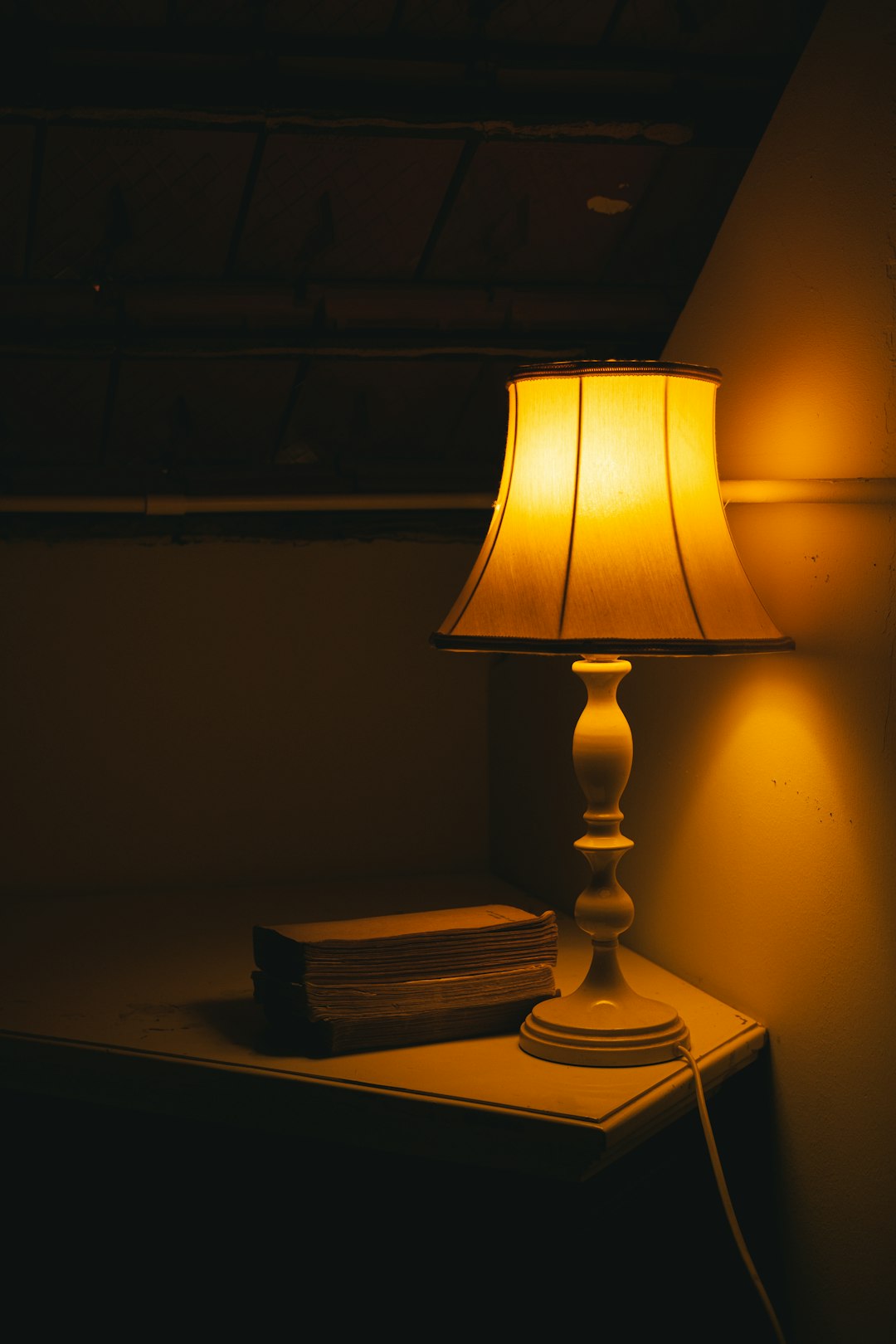
Dim the lights in your home an hour or so before bed. Lower, warmer light supports your body’s natural transition toward sleep, while bright overhead lighting works against it, similar to screens.
Try a warm shower or bath, light stretching, or a cup of caffeine-free herbal tea (like chamomile) as a low-stimulation wind-down ritual.
Listen to calming music, a podcast, or white/pink noise instead of watching something — audio alone is far less stimulating than a screen and doesn’t expose you to blue light.
Practice a short meditation or breathing exercise, such as slow diaphragmatic breathing, to lower your heart rate and shift out of ‘alert’ mode.
Tips and Common Mistakes
Don’t just swap your phone for a tablet or laptop — the blue light and stimulation issues are the same across most backlit screens, including e-readers with backlighting. If you must use a device late, use night mode and lower the brightness as much as possible, though this is a fallback, not a real substitute for going screen-free.
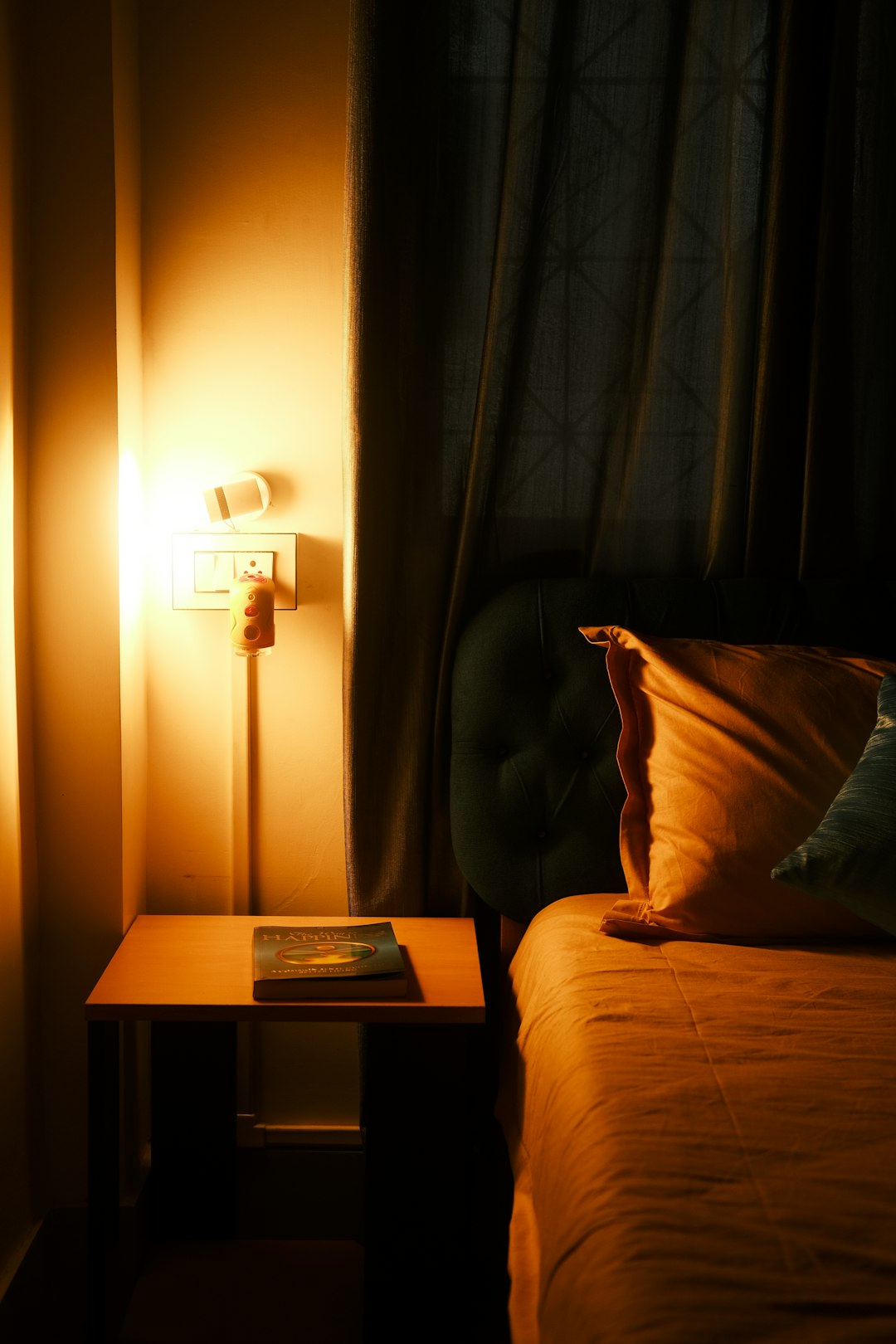
Keep your phone out of the bedroom, or at least out of arm’s reach, so you’re not tempted to check it ‘just once.’ Charging it in another room is one of the most effective changes you can make.
Be consistent. A tech-free wind-down only works as a sleep cue if you do it most nights — an occasional screen-free evening won’t retrain your body’s expectations the way a nightly routine will.
Watch out for other stimulants stacking on top of screen use, like caffeine late in the day, intense exercise right before bed, or heavy meals close to bedtime — these can undercut even a solid tech-free routine.
If you rely on your phone as an alarm clock, replace it with a standalone alarm clock so you have no excuse to bring your phone into the bedroom at all.
Explore more: more wellness and sleep tips.
Tech-Free Evening Routine FAQs
How long before bed should I stop using screens?
Aim for at least 30 to 60 minutes of screen-free time before bed, and longer if possible. Some sleep guidance suggests avoiding screens for up to two hours before bedtime for the biggest benefit, but even a short buffer is better than none.
Do blue light glasses or night mode settings work as well as going screen-free?
They can help reduce blue light exposure somewhat, but they don’t address the mental stimulation from scrolling, messaging, or watching content. Going fully screen-free before bed is generally more effective than relying on filters alone.
What if I use my phone as my alarm clock?
Switch to a standalone alarm clock. Keeping your phone out of the bedroom removes the temptation to check notifications and makes it much easier to stick to a tech-free wind-down.
What’s the easiest tech-free habit to start with?
Charging your phone in a different room 30 minutes before bed is one of the simplest, highest-impact changes. From there, add a calming replacement activity like reading or stretching.
Build Better Habits With ZenDuel
Track your habits and mood, stay accountable, and build a calmer routine — get the ZenDuel app. Get ZenDuel.
Photo by Nguyễn Hiệp on Unsplash.