Anxiety rarely responds to a single fix — it responds to consistency. A simple self-care routine, practiced most days, gives your nervous system predictable cues to settle down instead of leaving you scrambling for relief only when things feel overwhelming.
Table of Contents
This guide breaks down how to build a realistic anxiety self-care routine from scratch: what to include, how to structure your day around it, and which small habits actually make a measurable difference without requiring hours of free time.
Quick Answer
A simple self-care routine for anxiety combines a few daily anchors — consistent sleep and wake times, brief movement or exercise, a grounding or breathing practice, basic nutrition and hydration, and at least one moment of social or restful connection. Start with two or three of these rather than trying to do everything at once, and build the routine around the times of day your anxiety tends to spike.
Step-by-Step: Building Your Routine
Start with your morning anchor. How you begin the day sets the tone for your nervous system. Pick one small, repeatable action — a few minutes of quiet before checking your phone, a short walk, or a brief breathing exercise like box breathing (inhale 4 counts, hold 4, exhale 4, hold 4). The goal isn’t a long meditation session; it’s a consistent signal to your body that the day is starting calmly.
Add a grounding technique for in-the-moment spikes. The 5-4-3-2-1 method is one of the most widely used grounding exercises: name 5 things you can see, 4 you can touch, 3 you can hear, 2 you can smell, and 1 you can taste. It works by redirecting attention through your senses, which helps interrupt the spiral of anxious thoughts and can ease you out of a fight-or-flight state within a few minutes.
Build in movement, even briefly. You don’t need a full workout — a short walk or a few minutes of aerobic movement can help take the edge off anxious energy fairly quickly, and regular activity over time tends to improve mood stability and sleep. If a 10-minute walk is realistic and a 45-minute gym session isn’t, the walk is the better routine because you’ll actually keep doing it.
Protect your sleep window. Anxiety and poor sleep feed each other, so a consistent bedtime routine — dimming screens, winding down at a similar time each night, avoiding caffeine late in the day — is one of the highest-leverage pieces of a self-care routine, even though it’s less exciting than other techniques.
Keep nutrition and hydration simple. You don’t need a strict diet plan; aim for regular meals, more fruits and vegetables where possible, and staying hydrated. Skipped meals and dehydration can worsen physical anxiety symptoms like shakiness or a racing heart, which then get misread as ‘more anxiety.’
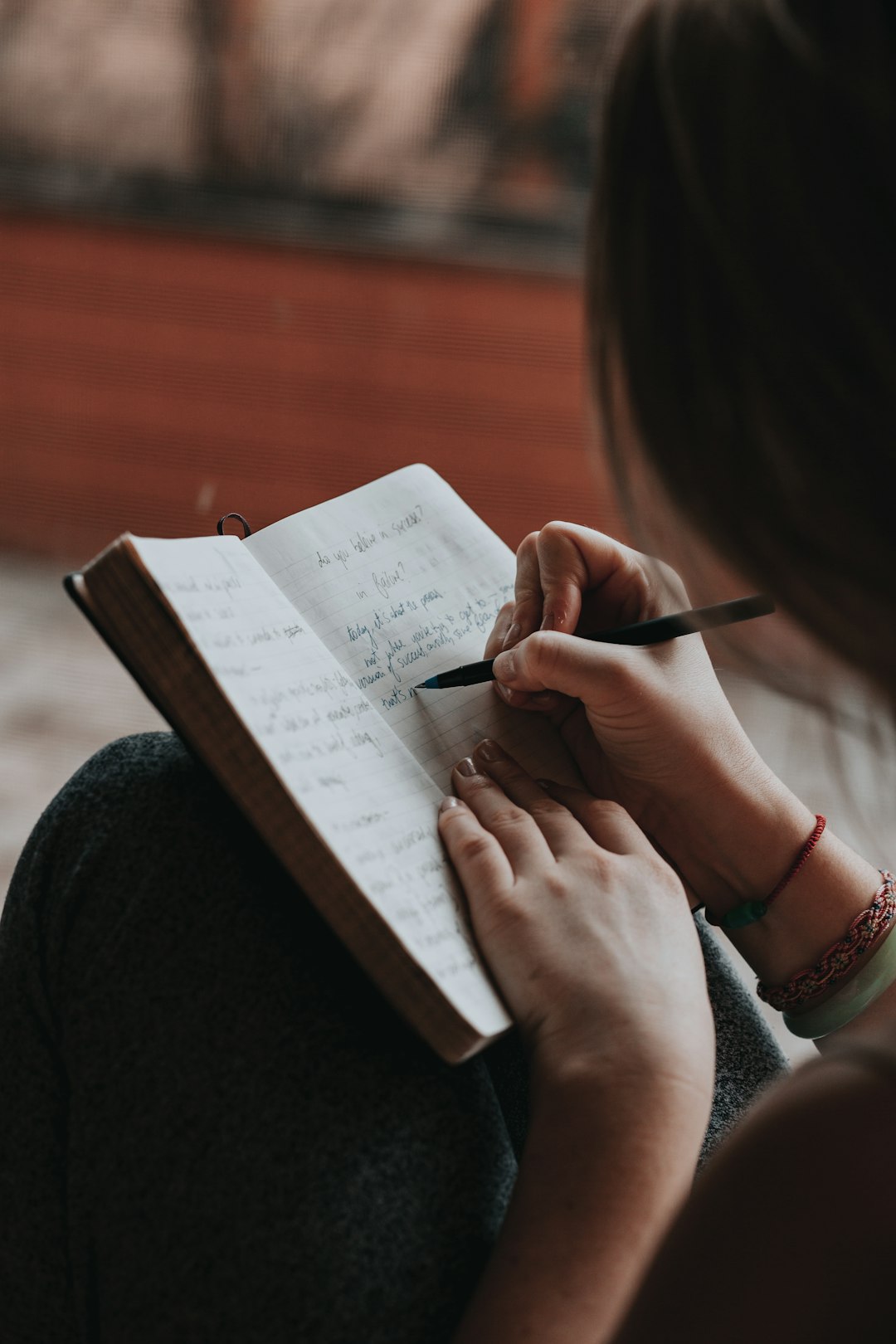
End the day with a connection or release valve. This could be a text to a friend, journaling for a few minutes, or simply naming how the day felt. Talking to someone you trust — a friend, family member, or therapist — can offer perspective and is one of the more reliably helpful anxiety self-care habits.
Handling Acute Anxiety Spikes
A daily routine reduces baseline anxiety, but you’ll still want tools for sudden spikes or panic. One useful framework is TIPP: Temperature (splashing cold water on your face or holding an ice cube), Intense exercise (a minute of jumping jacks or running in place), Paced breathing (slow exhales longer than inhales), and Progressive muscle relaxation (tensing and releasing muscle groups). These work by engaging your body directly, which can help regulate a dysregulated nervous system faster than thinking your way out of it.
Keep your go-to technique short and specific. During a spike, you don’t have the bandwidth for a complicated plan — one clear action (5-4-3-2-1, paced breathing, or a cold-water splash) beats a mental list of ten options you have to choose between.
Tips / Common Mistakes
Don’t try to adopt every habit at once. Pick one or two anchors, keep them for a couple of weeks, and add more once they feel automatic — an overloaded routine is one of the most common reasons people abandon self-care entirely.
Attach new habits to things you already do (brushing teeth, making coffee, commuting) so they don’t rely on willpower alone.
Expect grounding and breathing techniques to help within minutes for acute anxiety, but give routine-based habits like exercise and sleep consistency several weeks before judging whether they’re working — lasting change tends to build gradually rather than overnight.
Self-care routines ease everyday anxiety but aren’t a substitute for treatment if anxiety is persistent, severe, or interfering with daily life — in that case, a therapist or doctor can help you figure out what additional support you need.
Explore more: Explore more mental health guides.
Self-care routine for anxiety FAQs
How long does it take for a self-care routine to reduce anxiety?
In-the-moment techniques like grounding or paced breathing can ease symptoms within minutes. Routine-based habits like better sleep, regular movement, and consistent mindfulness practice usually need a few weeks of steady use before you notice a real shift in your baseline anxiety.
What’s the easiest way to start a self-care routine for anxiety?
Pick one anchor — often a morning breathing exercise or a short daily walk — and stick with just that for a couple of weeks before adding anything else. Starting small makes the routine much more likely to stick.
Can self-care alone treat an anxiety disorder?
Self-care can meaningfully reduce day-to-day anxiety, but it isn’t a replacement for professional treatment. If anxiety is persistent, intense, or getting in the way of work, relationships, or daily functioning, talk to a therapist or doctor about additional options like therapy or medication.
What should I do during a sudden anxiety spike or panic attack?
Use a quick, body-based technique such as the 5-4-3-2-1 grounding exercise, slow paced breathing (longer exhale than inhale), or briefly changing your physical state, like splashing cold water on your face. These help calm your nervous system faster than trying to think your way out of it.
Build Better Habits With ZenDuel
Track your habits and mood, stay accountable, and build a calmer routine — get the ZenDuel app. Get ZenDuel.
Photo by Sixteen Miles Out on Unsplash.