If you’ve ever felt your heart race before a meeting that isn’t actually dangerous, or gone numb and foggy after a stressful week, you’ve felt your nervous system in action. “Nervous system regulation” has become a buzzy phrase in therapy circles and on social media, but the concept behind it is grounded in real physiology and directly explains why anxiety can feel so hard to just “think your way out of.”
Table of Contents
This guide breaks down what nervous system regulation actually means, how it connects to anxiety, and which techniques have real physiological backing so you can start using them today.

Quick Answer
Nervous system regulation is the ability of your body’s autonomic nervous system to shift smoothly between states of alertness and calm in response to what’s actually happening around you. When it’s working well, you can get activated by a real stressor and then settle back down afterward. Anxiety often persists when this system gets stuck in a state of alertness or shutdown even after the stressor is gone — which is why breathing and body-based techniques, not just thinking, are often needed to bring it back down.
What Nervous System Regulation Actually Means
Your autonomic nervous system runs largely outside conscious control and has two main branches: the sympathetic branch, which mobilizes you for action (faster heart rate, shallower breathing, muscle tension), and the parasympathetic branch, which supports rest, digestion, and recovery. A well-regulated nervous system moves between these states fluidly — it revs up when you need focus or speed, then downshifts once the demand has passed.
Polyvagal theory, developed by neuroscientist Stephen Porges, adds more nuance here. It describes the nervous system as having three broad states rather than just ‘on’ and ‘off’: a calm, socially engaged state where you feel safe and connected; a mobilized fight-or-flight state triggered by perceived threat; and a shutdown or freeze state that kicks in when a threat feels inescapable. Anxiety is closely tied to the second state — a nervous system that has learned to read ambiguous or low-level stress as danger and stays braced for it.
‘Dysregulation’ simply means the system is having trouble returning to that calm baseline. This can happen after chronic stress, trauma, poor sleep, or even just an accumulation of everyday pressure without enough recovery time built in.
Why This Matters for Anxiety
Anxiety isn’t purely a thinking problem — it’s also a body state. When your nervous system perceives threat, it triggers physical changes (a racing heart, tight chest, restlessness, or the brain fog of a freeze response) before your conscious mind has fully caught up. That’s why reasoning with yourself in the middle of a panic spiral often doesn’t work well: your body is already running a survival program, and it needs a physiological signal — not just a logical argument — to switch it off.
This is also why the same anxious feeling can show up differently in different people. Someone whose nervous system defaults to fight or flight might feel restless, irritable, or on edge. Someone whose system tends toward freeze might feel spacey, exhausted, or emotionally flat. Both are nervous system states, not character traits, and both respond to regulation techniques — just sometimes different ones.
The vagus nerve plays a central role here. It’s the main nerve connecting the brain to the heart, lungs, and gut, and it’s a key pathway the parasympathetic system uses to calm the body down. Techniques that stimulate or engage the vagus nerve — like slow exhale-focused breathing — are a common thread across most evidence-informed regulation practices.
Practical Techniques to Try
Slow, exhale-focused breathing is one of the most reliable tools available. A single physiological sigh — two inhales through the nose (a normal one followed by a short top-up inhale) followed by one long, slow exhale through the mouth — takes well under a minute to perform, and works by clearing built-up carbon dioxide from the lungs, which helps signal the nervous system to settle. Stanford researchers Andrew Huberman and David Spiegel formally tested a related technique called cyclic sighing in a controlled trial, where participants practiced it for five minutes a day over a month; it outperformed mindfulness meditation and other breathing styles at improving mood and lowering resting breathing rate, with benefits that grew stronger the longer people stuck with the daily practice. In other words, the technique itself takes only moments to do, but the published research behind it measured a structured daily five-minute habit rather than a one-off round.
Grounding through the senses helps interrupt anxious spirals by pulling attention out of racing thoughts and into the present moment — for example, naming things you can see, hear, and physically feel around you right now. This works because it engages present-moment sensory processing instead of the threat-scanning loop anxiety runs on.
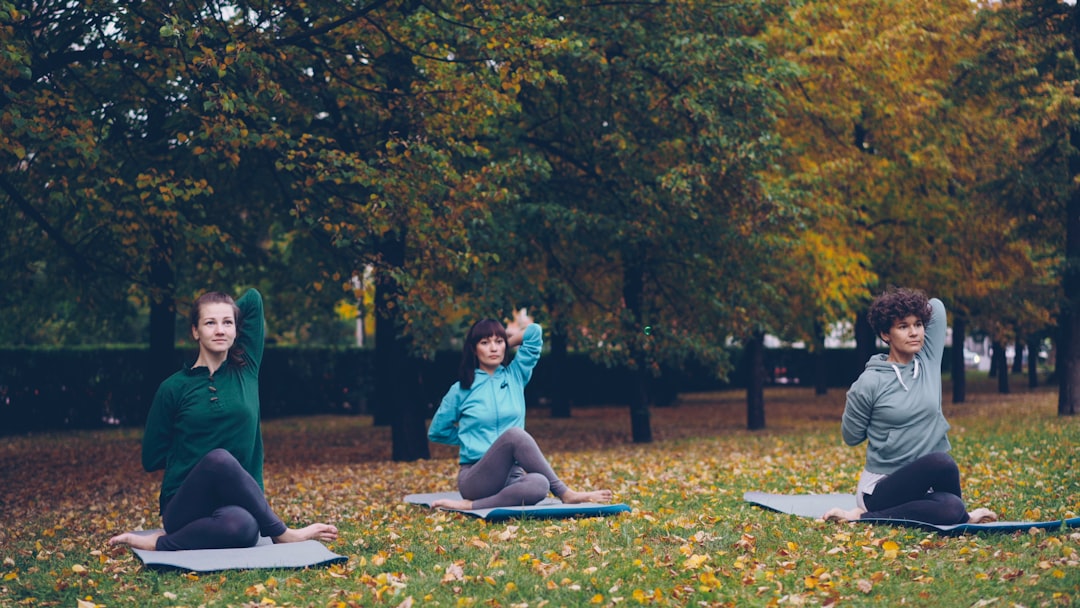
Movement that includes rhythm or a long exhale — walking, gentle yoga, tai chi, or even shaking out your hands and legs — helps discharge the physical activation of a stress response rather than letting it stay stored in the body. Cold exposure to the face (like splashing cold water or briefly holding an ice pack against your cheeks) is another technique associated with rapidly engaging the parasympathetic system, since it triggers a reflex that slows heart rate.
Humming, singing, or gargling are sometimes recommended because the vagus nerve runs near the muscles of the throat, and vocal or throat-based activity is thought to help engage the same ‘social engagement’ pathways associated with feeling calm and connected.
Tips and Common Mistakes
Don’t wait until you’re in full panic mode to practice these techniques — regulation skills work best when they’re familiar. Practicing a slow-exhale breathing pattern during a calm moment makes it far easier to access when you actually need it.
Avoid treating regulation as a one-time fix. Because the nervous system is shaped by repeated experience, consistency (a daily few minutes of breathing practice, regular movement, adequate sleep) tends to matter more than occasional intense effort — the Stanford breathing research itself found benefits building over a full month of daily practice, not appearing all at once.
Don’t judge your nervous system’s state as a personal failure. Fight, flight, freeze, and the newer-named ‘fawn’ response (appeasing or people-pleasing under stress) are automatic survival strategies, not character flaws — understanding this can itself reduce the shame that often piles on top of anxiety.
If anxiety is frequent, intense, or interfering with daily life, self-regulation techniques are a helpful complement to — not a replacement for — support from a therapist or doctor, especially one trained in trauma-informed or somatic approaches.
Explore more: more mental health guides.
Nervous system regulation FAQs
What is nervous system regulation in simple terms?
It’s your body’s ability to shift between alert and calm states appropriately and return to baseline after a stressful event, rather than staying stuck in high alert or shutdown.
How do I know if my nervous system is dysregulated?
Common signs include feeling anxious or on edge without a clear cause, trouble calming down after stress, chronic fatigue or brain fog, sleep problems, or swinging between overwhelm and emotional numbness.
What is the fastest way to calm my nervous system down?
A single physiological sigh — two nasal inhales followed by one long, slow mouth exhale — takes under a minute and is a widely used go-to for shifting out of a stress response in the moment, since a longer exhale than inhale helps signal safety to the nervous system.
Is nervous system regulation the same as polyvagal theory?
Not exactly. Polyvagal theory, developed by Stephen Porges, is one influential framework used to explain how nervous system regulation works, describing calm, fight-or-flight, and shutdown as three distinct autonomic states.
Build Better Habits With ZenDuel
Track your habits and mood, stay accountable, and build a calmer routine — get the ZenDuel app. Get ZenDuel.
Want a calmer inbox? Subscribe to the free newsletter.
Photo by Hanna Lazar on Unsplash.