“Mindfulness” and “meditation” get used interchangeably so often that it’s easy to assume they’re the same thing wearing two different names. They’re not — and knowing the difference can save you from picking the wrong practice and giving up too soon.
Table of Contents
This guide breaks down what actually separates the two, how they overlap, and gives you a simple way to decide which one fits your life right now, whether that’s a quiet ten-minute sit or a mindful walk between meetings.
Quick Answer
Mindfulness is a quality of attention — being fully present with your thoughts, feelings, and surroundings without judging them. Meditation is a formal practice, usually done at a set time in a set posture, that trains your attention using a specific technique (breath, sound, a phrase, or body scan). Mindfulness can happen anywhere, anytime; meditation is a dedicated session. If you want a low-pressure entry point, start with mindfulness in daily activities. If you want faster, more structured progress, start with short guided meditation sessions.
What Actually Separates the Two
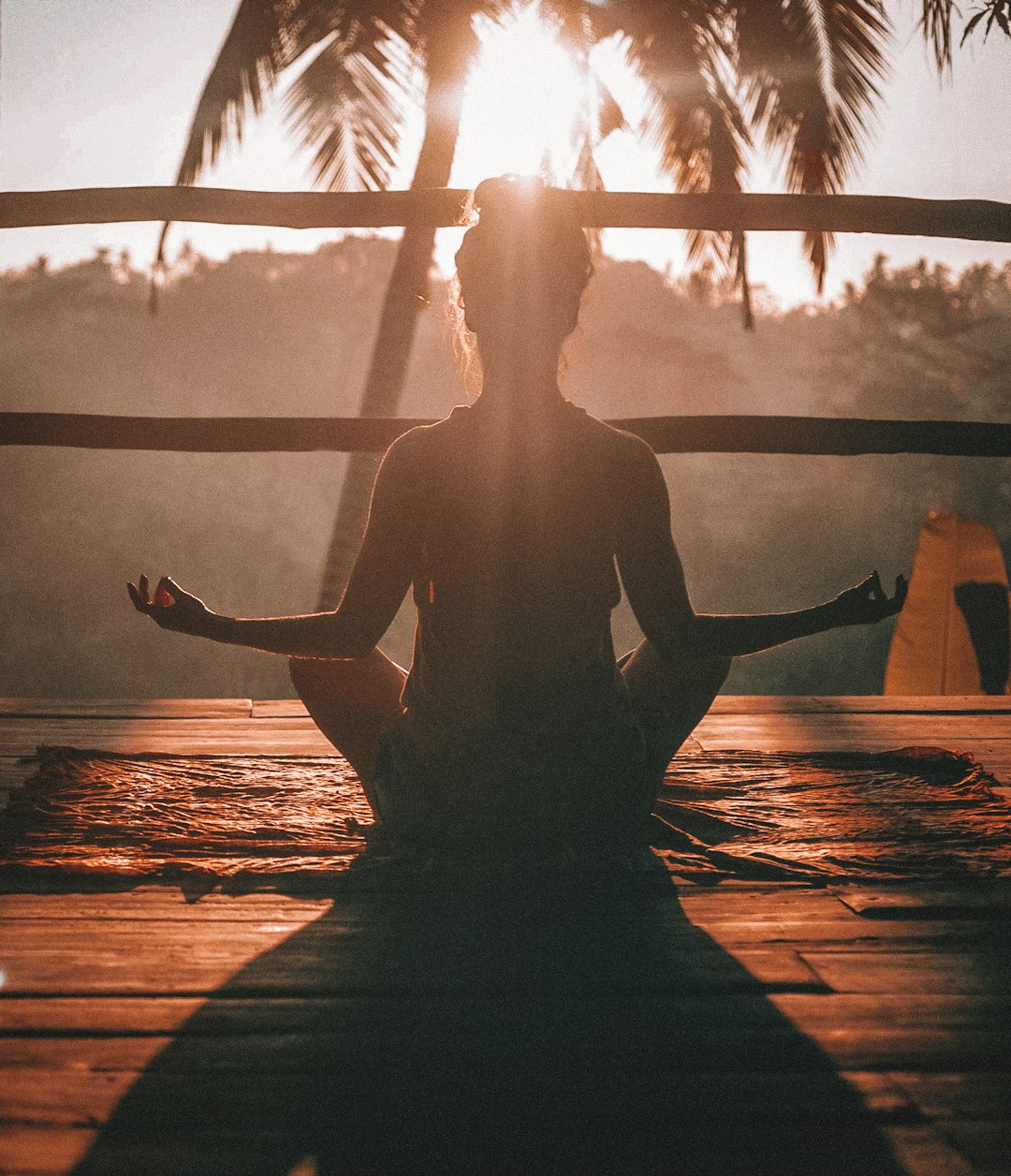
Think of meditation as the gym and mindfulness as the fitness you carry with you afterward. Meditation is the deliberate practice: you set aside time, choose a technique — following the breath, silently repeating a word, scanning the body for tension, or simply observing thoughts as they arise — and stick with it for a set duration, even if that’s just one or two minutes.
Mindfulness is broader and less structured. It’s the skill of noticing what’s happening right now — the taste of your coffee, the tightness in your shoulders, an irritated thought — without immediately reacting to it or judging it as good or bad. You can be mindful while washing dishes, walking to your car, or sitting in a meeting. It doesn’t require closing your eyes or setting a timer.
The two aren’t rivals; they’re connected. Meditation is one of the most reliable ways to build the skill of mindfulness, because it gives your attention repeated, low-distraction practice at noticing and returning. But mindfulness itself isn’t a technique you perform — it’s closer to a state you can drop into during ordinary moments, with or without a formal meditation practice behind it.
Which One to Try First
If sitting still for a dedicated session feels intimidating or you ‘don’t have time to meditate,’ start with mindfulness. Pick one routine activity you already do daily — brushing your teeth, your commute, the first sip of a drink — and spend that time doing nothing but paying attention to it: the sensations, sounds, and small details you’d normally tune out. No app, no timer, no special posture required.
If you want a clearer sense of progress or a habit you can track, start with short formal meditation. Five to ten minutes of a simple breath-focused session, once a day, is enough to notice a difference within a couple of weeks. Guided sessions (through an app or a free recording) are usually easier for beginners than sitting in silence, since the voice gives your attention somewhere to land when it wanders.
A practical middle path many people land on: do a short guided meditation in the morning to train the skill, then look for two or three moments during the day to apply it informally — one mindful breath before opening your laptop, one mindful bite at lunch, one mindful pause before responding to a stressful message.

Tips and Common Mistakes
Don’t judge a session by whether your mind stayed quiet. Noticing that you got distracted and gently returning your attention is the actual rep — it’s not a sign you’re doing it wrong, it’s the mechanism that builds the skill.
Avoid starting with long sessions. Five minutes done daily beats thirty minutes done once. Consistency builds the habit; duration can grow later.
Don’t wait for the ‘right’ mood or a fully quiet room. Mindfulness especially is meant to work inside normal, imperfect moments — a noisy kitchen or a busy commute counts.
Watch out for turning mindfulness into another performance metric. There’s no perfect version of noticing your breath or your surroundings — the goal is attention, not achievement.
Explore more: Explore more meditation guides.
Mindfulness vs Meditation FAQs
Can you be mindful without meditating?
Yes. Mindfulness can be practiced informally throughout the day — while eating, walking, or listening to someone — without ever sitting down for a formal meditation session.
Does meditation always involve mindfulness?
Not necessarily. Some meditation styles (like mantra-based or loving-kindness meditation) focus on something other than present-moment awareness, though many popular styles, such as mindfulness meditation, use it directly as the technique.
How long does it take to see benefits?
Many people notice small shifts in stress and focus within a couple of weeks of a short daily practice, though this varies by person and how consistently you practice.
Do I need an app to start?
No. An app or guided audio can help beginners stay on track, but both mindfulness and meditation can be practiced with nothing more than a quiet moment and your own attention.
Build Better Habits With ZenDuel
Track your habits and mood, stay accountable, and build a calmer routine — get the ZenDuel app. Get ZenDuel.
Photo by Jared Rice on Unsplash.