You sit, you breathe, you notice something shift — and then it’s gone the moment you stand up and check your phone. Journaling right after meditation is the bridge between a fleeting moment of stillness and something you can actually learn from over time.
Table of Contents
This guide walks through exactly how to set up a post-meditation journaling routine, what to write when your mind feels blank, and the mistakes that make people quit after a week.
Quick Answer
Right after your meditation timer ends, stay seated for one more minute, then write for 2-5 minutes without editing yourself. Note what you noticed in your body, mood, and thoughts, plus one insight or one thing to try next time. Keep the notebook and pen next to your cushion so there’s zero friction between sitting and writing.
Why Journal Right After Meditation, Not Later
Meditation loosens up whatever you were carrying — a low-grade worry, a body sensation you’d been ignoring, a pattern of thought you keep circling back to. That awareness is sharpest in the minute or two after you open your eyes. Wait until lunch to write it down and most of it has already faded, replaced by emails and to-do lists.
Journaling immediately after also turns meditation from a one-off experience into a practice you can actually track. A single sit tells you how you feel today. A stack of entries over a few weeks tells you what’s actually changing — which thoughts keep showing up, which times of day work best for you, whether your sleep or mood is shifting alongside the practice.
It also gives restless or analytical minds somewhere to put the mental energy that meditation stirs up. Instead of turning that energy into rumination, you channel it into a few sentences on paper and then let it go.
A Simple Step-by-Step Routine
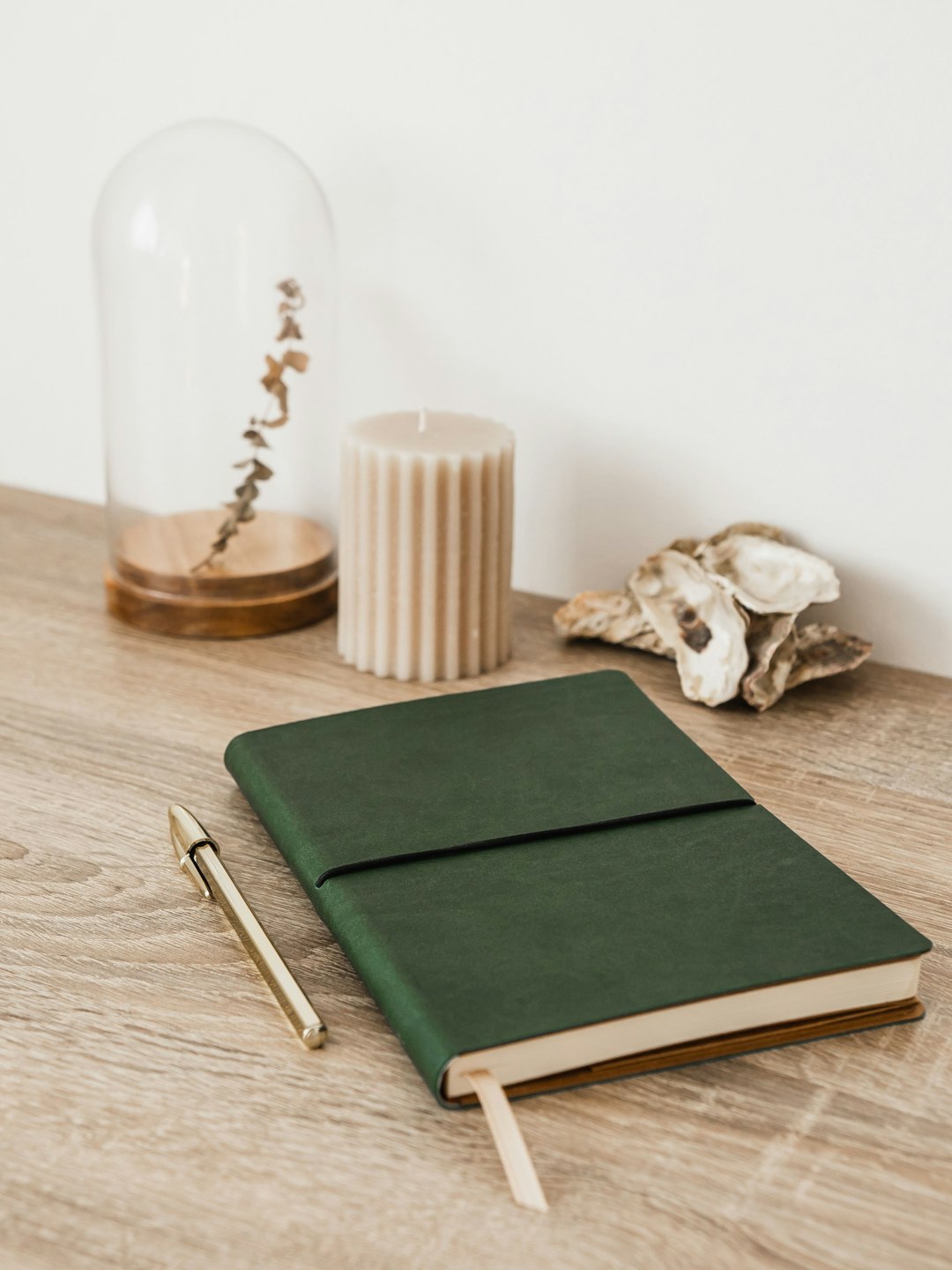
Set up before you sit. Put a notebook and pen (or a notes app, if you prefer typing) within arm’s reach of wherever you meditate, so there’s no gap between finishing your sit and starting to write. If you have to get up and find a journal, you’ll lose the moment.
Sit in silence for 60 seconds after the timer ends. Don’t reach for the journal immediately. Let the session settle for a breath or two — this is often when the clearest insight surfaces.
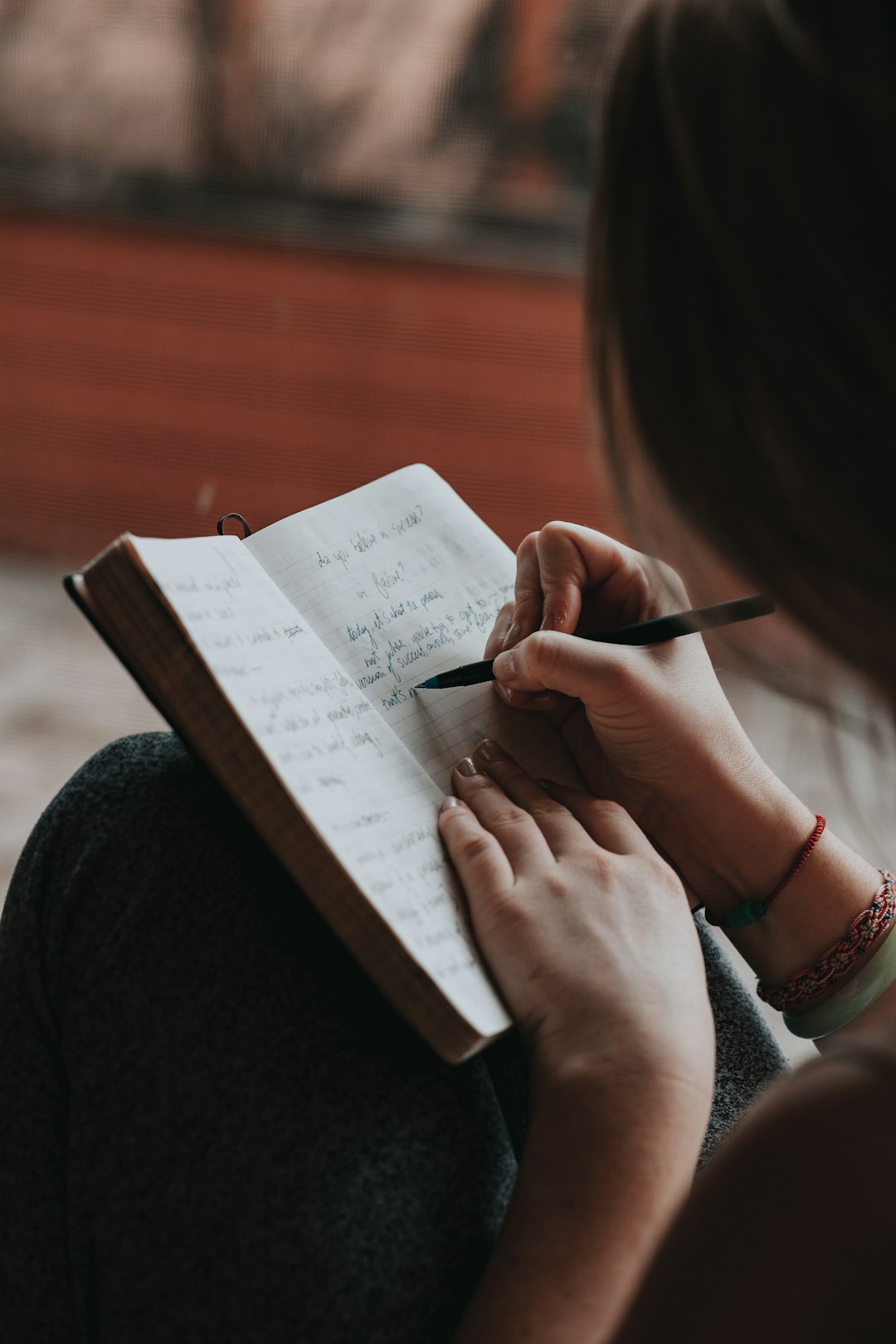
Write for 2-5 minutes without stopping to edit or judge what comes out. Grammar and neatness don’t matter here; capturing the raw material does. If you meditate for 10-20 minutes, a journaling window of similar length or shorter keeps the whole routine sustainable.
Cover three quick angles: what you noticed in your body (tension, restlessness, ease), what mood or emotion was present, and what your mind kept returning to. Then add one line about anything you want to try differently next time — a different time of day, a different posture, or a specific thought pattern to watch for.
Close with a single word or short phrase that sums up the sit — ‘restless,’ ‘calm,’ ‘foggy,’ ‘grateful.’ Over weeks, that one-word log becomes a fast way to scan back and spot trends without rereading every entry.
Prompts for When You Don’t Know What to Write
Some days the page stays blank because nothing dramatic happened, and that’s fine — you don’t need a breakthrough every time. Keep a short list of prompts nearby for those days: What did I notice in my body during the sit? What thought or feeling kept pulling my attention away? Did anything feel different from yesterday’s session? What am I avoiding thinking about right now? What’s one thing I’m grateful for in this moment?
Pick one prompt, answer it in a sentence or two, and stop. The goal is a quick, honest capture, not a polished essay. If a prompt doesn’t land, skip it and try another next time rather than forcing an answer.
Tips and Common Mistakes
Keep entries short on purpose. People who set the bar at ‘write a full page every time’ tend to quit within a couple of weeks because it feels like homework. A few honest sentences, done daily, beats a long entry done occasionally.
Don’t edit or judge what you write. This isn’t for an audience. Skip the urge to make sentences sound insightful — the goal is an accurate snapshot, not good writing.
Don’t skip the ‘nothing happened’ days. A flat, uneventful entry is still useful data — it shows you what a baseline day looks like, which makes it easier to notice when something actually does shift.
Separate journaling from goal-chasing. If every entry becomes a progress report on whether you’re ‘getting better’ at meditation, journaling starts to feel like pressure instead of reflection. Let the entries just describe what happened.
Review old entries occasionally. Once a week or once a month, flip back a few pages. Patterns — recurring worries, times of day that work better, moods tied to certain kinds of sessions — are usually invisible entry by entry and only show up when you look across several.
Explore more: more meditation guides.
Post-meditation journaling FAQs
How long should a post-meditation journal entry be?
A few sentences to a short paragraph, roughly 2-5 minutes of writing, is enough. Longer isn’t better here — consistency matters more than length.
Should I journal before meditation too, or only after?
After is the higher-value habit to build first, since it captures what actually happened during the sit. Some people also jot a quick sentence beforehand to note their starting mood, but that’s optional.
What if I don’t notice anything during meditation to write about?
Write that down — ‘nothing notable today’ is a valid entry. Use one of the standard prompts (body, mood, recurring thought) to give yourself a starting point instead of waiting for something dramatic to happen.
Paper journal or an app — does it matter?
Whichever removes the most friction for you. Paper is distraction-free and keeps you off your phone right after meditating; an app is easier to search back through later. Pick the one you’ll actually use every day.
Build Better Habits With ZenDuel
Track your habits and mood, stay accountable, and build a calmer routine — get the ZenDuel app. Get ZenDuel.
Want a calmer inbox? Subscribe to the free newsletter.
Photo by Marcos Paulo Prado on Unsplash.