Sticking to new habits is hard enough without a complicated system getting in the way. A simple printed page — one you can pin to the fridge, slip into a planner, or lay on your desk — turns an abstract intention into a daily visual cue. Free monthly habit tracker PDFs give you exactly that, and the best ones take less than a minute to set up.
Table of Contents
This guide covers where to find high-quality free printables, which layout actually suits adults who track multiple habits, how many habits to start with, and the small setup choices that separate trackers that work from trackers that end up in the recycling bin by week two.
Download the Free ZenDuel Habit Tracker Printables
Our own printables — free, no sign-up, no email required. Ink-light layouts sized for US Letter (they print fine on A4 too). Reuse them every month.
Quick Answer
Several sites — including Develop Good Habits, OnPlanners, Clockify, and PrintablesForLife — offer completely free monthly habit tracker PDFs in standard US Letter and A4 sizes. No sign-up is required on most. Download, print, write in your habits, and check off each day you complete them. Start with three habits, not ten.
Where to Download Free Monthly Habit Tracker PDFs
Develop Good Habits (developgoodhabits.com/habit-tracker-template) is one of the most thorough free collections available, with monthly, daily, 30-day, 66-day, and 90-day challenge formats. Templates range from minimal grids to themed designs — rainbow, confetti, leaf patterns — so there’s something for every aesthetic. Most are single-page Letter or A4 PDFs you can reprint each month.
OnPlanners (onplanners.com) offers PDF habit trackers in an unusually wide range of sizes: A4, A5, Letter, Half Letter, Happy Planner inserts, and Filofax pages. Useful if you’re inserting sheets into an existing binder or planner rather than pinning a loose sheet.
Clockify (clockify.me/habit-tracker-templates) provides around 20 templates spanning daily, weekly, and monthly formats, available in both PDF and Google Sheets versions. The Google Sheets versions are worth bookmarking if you ever want to switch to digital tracking without starting over.
PrintablesForLife (printablesforlife.com/circle-habit-tracker) offers a visually distinct circle tracker — six pages with circular and semicircular grid layouts in color and grayscale. Each ring represents one habit divided into 31 daily sections. It’s 8.5 × 11 inches, prints on any home printer, and the month field is fillable so you can reuse the same file all year.
Which Layout Should Adults Choose?
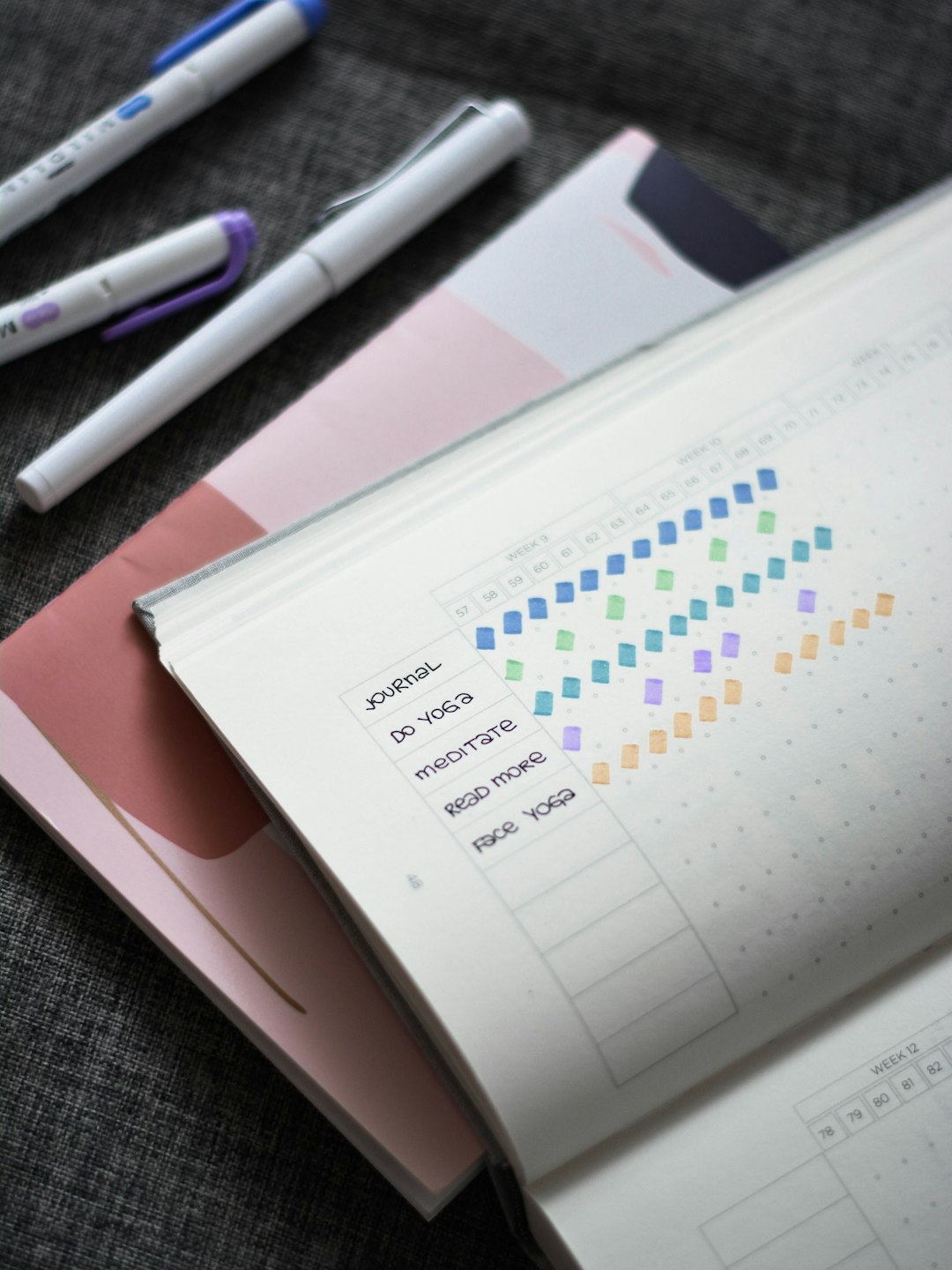
Grid trackers are the most common format: rows list each habit, columns represent days 1–31, and you fill in a cell when you complete the habit. Standard monthly grids accommodate anywhere from around 10 to 30 habits depending on the template. They’re fast to scan and easy to fill in — a good default choice if you’re new to printable trackers.
Circle (mandala) trackers work well for people who respond strongly to visual progress. Seeing a ring fill in over the month feels satisfying in a way a grid sometimes doesn’t. The format works best when tracking four to six habits; beyond eight the rings become cramped.
Calendar-style trackers display the month as a traditional calendar grid with habit columns or small checkboxes inside each date square. These are ideal if you already reference a wall or desk calendar daily, since they integrate naturally with how you already think about time.
For most adults tracking a small number of core habits, a simple grid or circle template in Letter size is the practical choice — it prints on any home printer without scaling adjustments, fits inside most binders, and takes up minimal desk space.

How to Set Up Your Tracker So It Actually Gets Used
Choose three habits to start — not five, not ten. Templates that hold 20 habits are useful later, but beginning with a small list means fewer days where you feel behind. Once three habits feel automatic (typically after several consistent weeks), add one more. Creators who have tracked habits extensively consistently recommend this graduated approach: three habits you actually do beats ten you feel guilty about.
Write specific, binary habits — actions you can mark definitively as done or not done. ‘Drink water’ is too vague; ‘8 glasses of water’ or ‘no sugary drinks before noon’ gives you a clear pass/fail. Common adult habit categories include sleep and wake times, exercise, reading, journaling, hydration, no-phone periods, and medication.
Place the printout where you’ll see it at the moment you perform the habit or at the end of your day. A tracker on a hidden shelf gets ignored. On the fridge, bathroom mirror, or top of your work notebook it becomes a passive nudge.
At the end of each month, spend two minutes reviewing the sheet before printing a new one. Which habits had consistent streaks? Which had gaps clustered on certain days? That two-minute look prevents repeating the same mistake the following month.
Tips and Common Mistakes
Don’t skip the fill-in step at the end of the day. Many people perform the habit but forget to mark it, then look at a half-empty sheet mid-month and lose motivation — even though they were actually more consistent than the sheet suggests. Keep a pen right next to the tracker.
Avoid starting a new tracker on January 1st only. The fresh-start effect (the motivation spike at calendar transitions) works on any month — starting in March or September with a clean sheet works just as well. Print a new one at the beginning of any month you want to reset.
Don’t abandon a tracker after one bad week. A gap in your streak is information, not failure. Circle the week that went wrong, note what happened, and keep going. A tracker with a visible rough patch that you recovered from is more useful than a pristine one you abandoned.
If a grayscale printer is all you have, download the black-and-white version of any template rather than printing a color design faded and muddy. Most sites offering color templates also include a grayscale variant — check the download options before printing.
Explore more: More habit-building guides.
Free Habit Tracker Printable for Adults FAQs
Can I reuse the same monthly habit tracker PDF every month?
Yes — most free monthly templates have a blank or fillable month/year field so you print the same file repeatedly. Circle trackers from sites like PrintablesForLife are specifically designed this way. Just reprint at the start of each new month.
How many habits should I track on a monthly printable?
Start with three habits. Creators and habit researchers consistently recommend keeping the initial list small. Standard grid templates support 10–20+ habits, but a crowded tracker is harder to maintain. Add one habit at a time once the existing ones feel solid.
What size do free habit tracker PDFs come in?
Most US-based templates default to Letter size (8.5 × 11 inches), which prints on standard home printers without scaling. Sites like OnPlanners also offer A4, A5, Half Letter, and planner-insert sizes if you need something smaller for a binder.
Do I need to sign up or pay to download these printables?
Many sites — including Develop Good Habits, Clockify, and PrintablesForLife’s circle tracker — offer direct downloads with no account required. Some lifestyle blogs require an email opt-in for their freebie packets. If a sign-up page appears, check whether the site offers a direct PDF link elsewhere on the page.
Build Better Habits With ZenDuel
Track your habits and mood, stay accountable, and build a calmer routine — get the ZenDuel app. Get ZenDuel.
Photo by Prophsee Journals on Unsplash.
