If a walk outside has ever left you feeling calmer than when you started, you’ve already experienced the basic idea behind ecotherapy. It’s a growing area of mental health care that treats contact with the natural world — not just talk or medication — as an active ingredient in feeling better.
Table of Contents
This guide explains what ecotherapy actually involves, what the research says about why it lowers stress, and how to build a simple, realistic nature routine even if you live in a city and don’t have access to a therapist who specializes in it.
Quick Answer
Ecotherapy is any structured practice — guided or self-directed — that uses time in nature (walking, gardening, forest bathing, being near water) to reduce stress and improve mood. Even short, regular exposure to green or natural settings, often in the range of 15 to 30 minutes, is associated with lower stress and calmer mood, which is why doctors and therapists increasingly recommend it alongside other treatment.
What Ecotherapy Actually Is
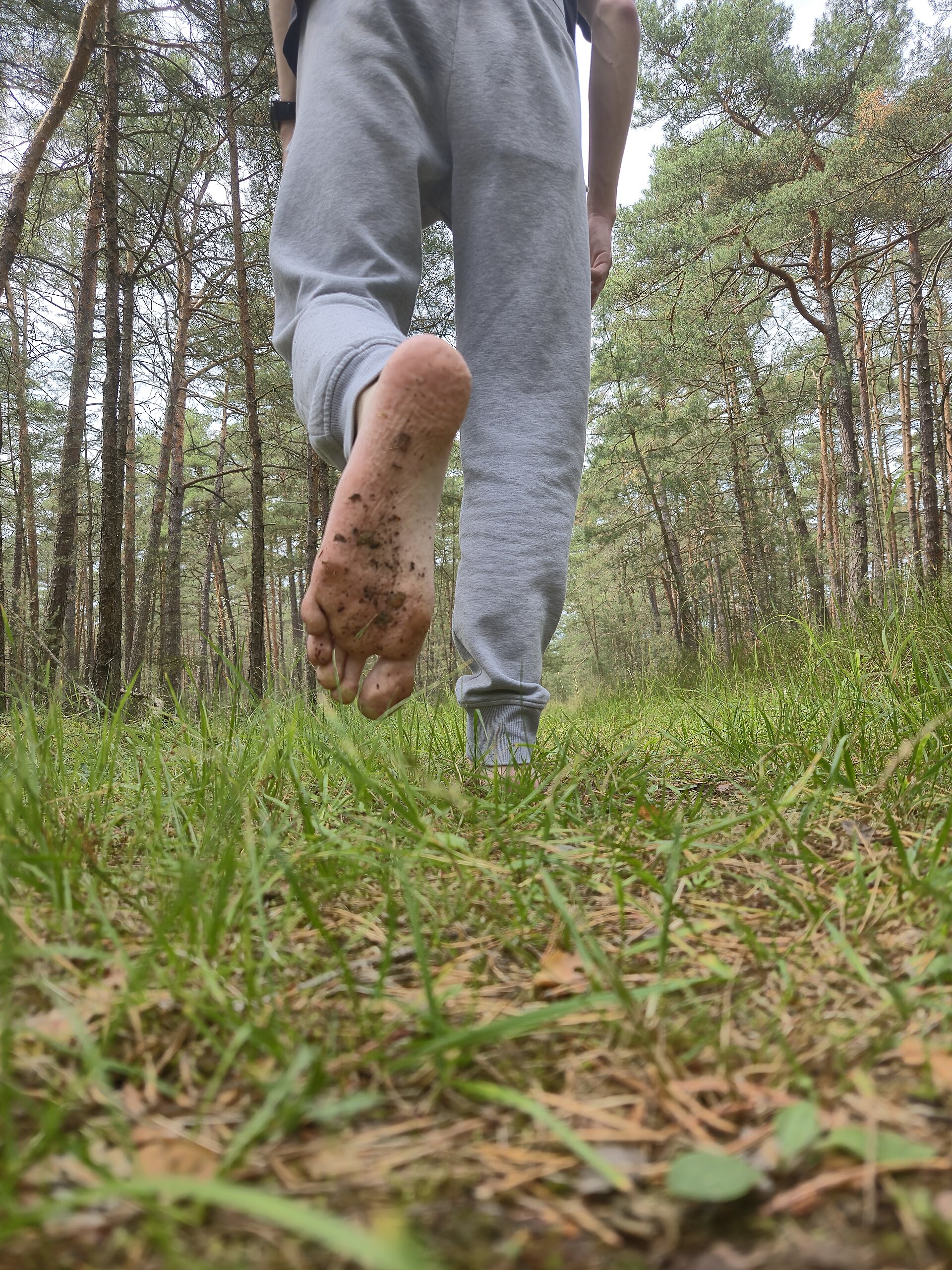
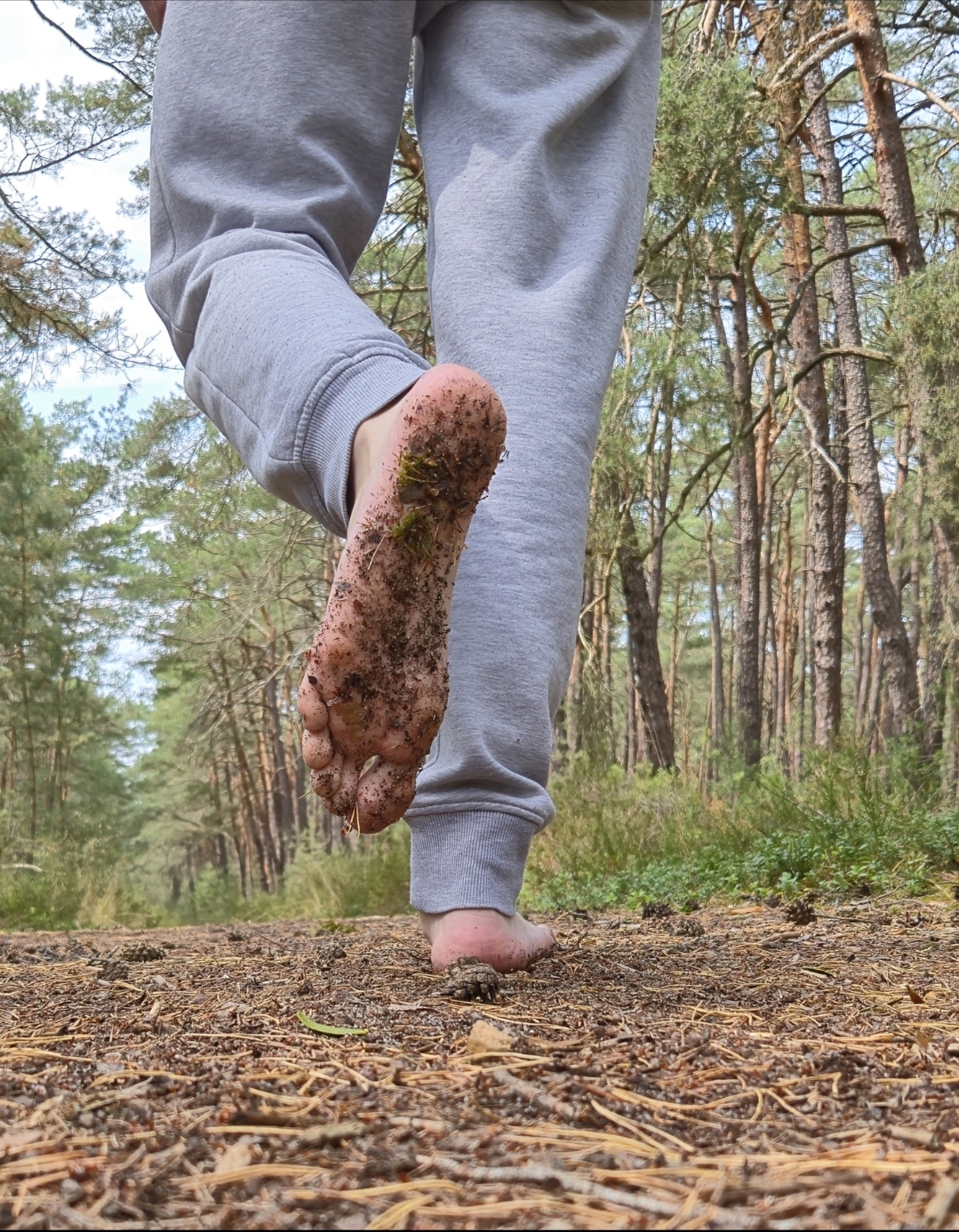
Ecotherapy (also called nature therapy) grew out of ecopsychology, the idea that human wellbeing is tied to our relationship with the natural environment rather than separate from it. In practice, it covers a wide range of activities: guided forest bathing (shinrin-yoku), nature-based mindfulness walks, therapeutic gardening or ‘green care’ programs, wilderness or adventure therapy, animal-assisted outdoor work, and even ‘grounding’ or earthing practices like walking barefoot outside.
It can be delivered formally — a licensed therapist leading sessions outdoors or incorporating nature exercises into treatment for anxiety or depression — or informally, as a self-guided habit like taking your lunch break in a park instead of at your desk. Both versions are backed by the same underlying idea: deliberate, attentive time in natural settings changes how your nervous system responds to stress.
Why It Works: The Stress Science
Researchers studying forest bathing and other nature exposure have measured physiological stress markers — cortisol levels, heart rate variability, blood pressure — before and after time spent in green or natural settings, and consistently found improvements compared with spending the same time in an urban or indoor environment. Several studies point to a window of roughly 20 to 30 minutes as an efficient dose: stress markers tend to drop fastest early in a nature session, with continued but smaller gains after that.
Beyond the physiological effect, nature exposure seems to work by interrupting rumination — the looping, repetitive negative thinking that keeps stress and anxiety active. Natural environments provide what researchers call ‘soft fascination’: enough sensory interest (moving leaves, birdsong, changing light) to hold attention gently, without the mental effort required to navigate traffic, screens, or crowded indoor spaces. That combination of engagement without demand is thought to give the brain’s stress-response systems room to downshift.
Ecotherapy is also linked to broader benefits beyond a single session: regular practice is associated with reduced symptoms of anxiety and depression, better emotional regulation over time, and increased social connection when done in groups (such as community gardening or group nature walks).
How to Start Your Own Ecotherapy Practice
You don’t need a forest or a therapist to begin. Start with what’s accessible: a nearby park, a tree-lined street, a community garden, or even a balcony with plants. Aim for at least 15 to 20 minutes at a time, since that’s roughly where research shows the clearest stress-relief benefit begins to show up.
Make the time intentional rather than incidental. Put your phone away or on silent, and use your senses deliberately — notice five things you can see, four you can hear, three you can feel. This mirrors the attention-based technique used in guided forest bathing sessions and helps shift you out of autopilot.
Build a routine you’ll actually keep. A short walk during a lunch break, a weekend visit to a local trail or botanical garden, or tending a few plants at home are all valid forms of ecotherapy — consistency matters more than intensity. If you want more structure, look for a local ANFT-certified forest therapy guide, a therapist who offers ‘green care’ or outdoor sessions, or community gardening programs, which combine nature exposure with social connection.
If you’re managing a diagnosed condition like anxiety, depression, or PTSD, treat ecotherapy as a complement to — not a replacement for — professional treatment, and mention it to your therapist or doctor so it can be built into your broader care plan.
Tips / Common Mistakes
Don’t turn it into another task to optimize. Checking your steps, photographing everything for social media, or listening to a work call while you walk undercuts the attention-based benefit — the goal is presence, not just physical presence outdoors.
Don’t wait for the ‘ideal’ nature setting. A city park, a row of street trees, or a view of the sky from a window all count; access to old-growth forest is not a requirement, and research on urban nature exposure shows real benefits from green space in cities.
Don’t skip it on bad-weather or busy days — those are often the days stress relief matters most. Dress for the weather and treat the outdoor time as non-negotiable, the same way you would a workout.
Watch out for overexertion framing: ecotherapy is about restorative attention, not fitness performance. A slow, unhurried walk can be more effective for stress relief than a brisk one where you’re focused on pace or distance.
Explore more: More mental health guides.
Ecotherapy FAQs
How long do I need to spend in nature to feel less stressed?
Many studies point to roughly 15 to 30 minutes as an effective range, with the fastest drop in stress markers happening early in that window. Longer or more frequent sessions add further benefit, but even a short break outside can help.
Is ecotherapy the same as forest bathing?
Forest bathing (shinrin-yoku) is one specific ecotherapy practice — a slow, mindful walk in a forest setting. Ecotherapy is the broader category that also includes gardening, nature-based mindfulness, animal-assisted outdoor therapy, and other nature-focused activities.
Do I need a therapist to practice ecotherapy?
No. Many people practice ecotherapy informally through regular time outdoors, gardening, or walks. A trained guide or therapist can add structure and support, which is especially useful if you’re managing a diagnosed mental health condition.
Can ecotherapy work if I live in a city with no forests nearby?
Yes. Research on urban green space, parks, and even views of nature shows measurable stress-reduction benefits, so access to wilderness is not required to get started.
Build Better Habits With ZenDuel
Track your habits and mood, stay accountable, and build a calmer routine — get the ZenDuel app. Get ZenDuel.
Photo: Deishini Mariam / CC BY-SA 4.0, via Wikimedia Commons.