Most people don’t struggle to understand that water is good for them — they struggle to remember to drink it consistently. The gap between knowing and doing is where the habit lives, and closing it takes more than a vague goal to “drink more water.”
Table of Contents
This guide covers how much water you realistically need, the specific habit-building techniques that make hydration automatic instead of effortful, and simple ways to track your intake so the habit sticks past the first week.

Quick Answer
Build a water habit by anchoring it to existing routines (a glass right after you wake up, one with every meal), using a marked bottle or a simple tracking app for visual feedback, and starting with a small, specific daily target rather than a vague “drink more.” Tracking closes the loop between intent and action, which is what makes the habit stick.
How Much Water Do You Actually Need
There’s no single magic number that fits everyone, but the Mayo Clinic offers a useful starting range: roughly 15.5 cups (about 3.7 liters) of total fluids a day for men and 11.5 cups (about 2.7 liters) for women. That figure includes all fluids — water, tea, coffee, milk — plus water-rich foods like fruit and vegetables, not just the water you drink from a glass.
Your real number shifts with activity level, climate, altitude, pregnancy or breastfeeding, and overall health, so treat the range as a baseline rather than a strict quota. A simpler day-to-day check: if your urine is pale yellow and you rarely feel thirsty, you’re likely hydrating enough. If it’s consistently dark, that’s a sign to drink more.
How to Build the Habit Step by Step
Start smaller than you think you need to. Instead of committing to eight glasses on day one, pick a target you can hit without willpower — one full glass with breakfast, for example — and build from there once it’s automatic.
Anchor water to things you already do every day (habit stacking). Common anchors: a glass right when you wake up before coffee, one with each meal, one before you leave the house, and one at your desk when you sit down to work. Tying the new habit to an existing cue removes the need to remember it out of nowhere.
Make the water visible and accessible. Keep a bottle on your desk, in your bag, or in the car — friction is the biggest habit killer, and a bottle that’s out of sight gets forgotten. A bottle with time markings or volume lines gives you a built-in visual pace-check throughout the day.
Track what you drink, even loosely. Marking tally marks on a sticky note, refilling a marked bottle a set number of times, or logging in a habit or water-tracking app all work — the mechanism that matters is closing the feedback loop so you can see progress instead of guessing. Seeing a streak or a filled-in progress bar is what turns an intention into a habit that reinforces itself.
Set reminders for the first few weeks, then wean off them. Phone alarms, smartwatch nudges, or app notifications help while the habit is still fragile; once the cues (waking up, sitting at your desk, finishing a meal) are enough on their own, you can turn the reminders off.
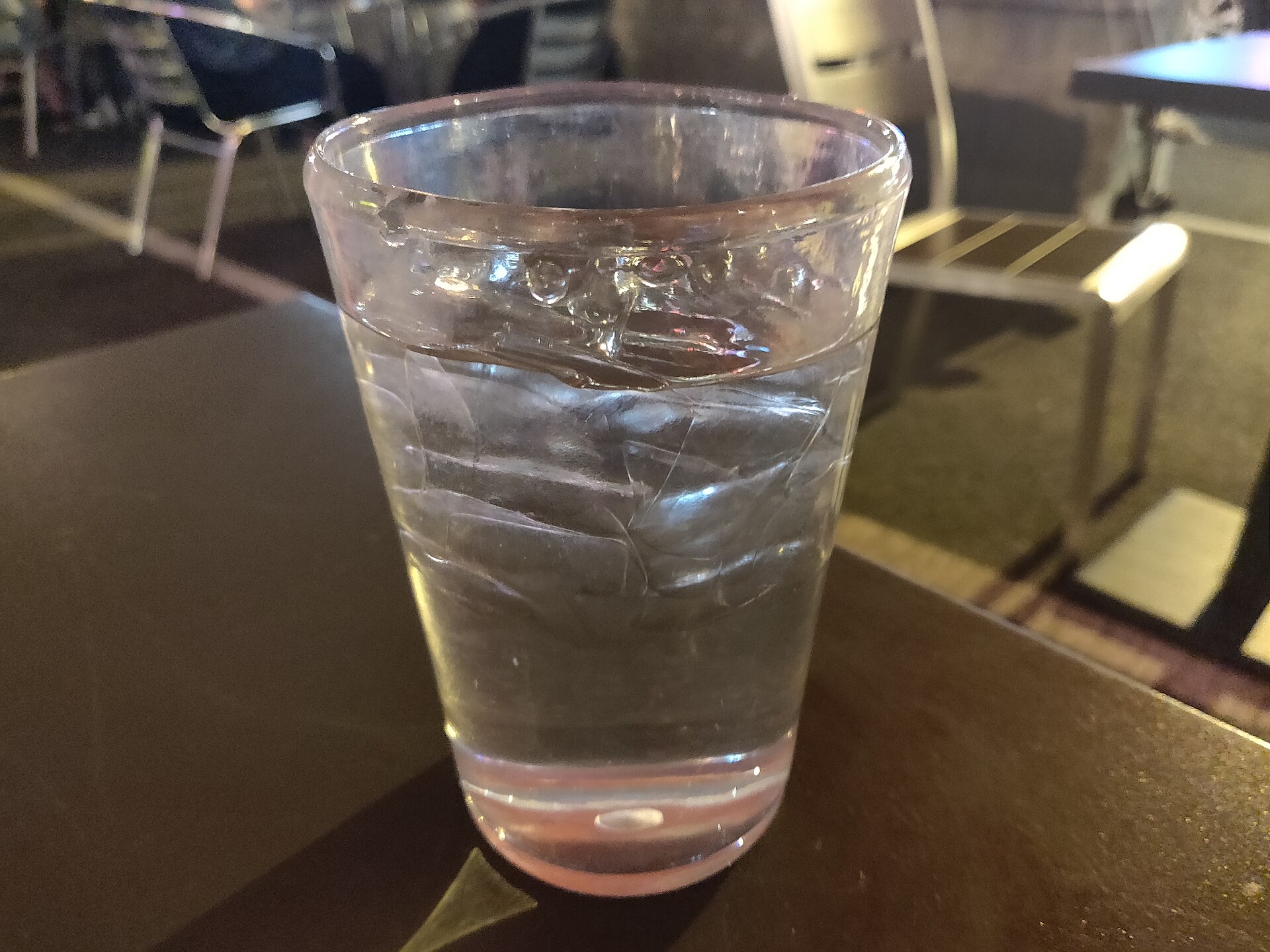
Ways to Track Your Water Intake
Marked water bottles are the lowest-friction option — no app, no login, just a bottle with hourly or ounce markings that shows you at a glance whether you’re on pace for the day.
Dedicated hydration apps add reminders, streaks, and sometimes gamified elements (like growing a virtual plant or maintaining a streak with friends) that give the habit more feedback and motivation than a bottle alone. If you’re already tracking food or fitness, many nutrition and fitness apps include a water-logging feature so you don’t need a separate app.
A basic paper or notes-app tally works too — the format matters far less than the consistency of logging it daily. Pick whichever method you’ll actually keep using after the novelty wears off.
Tips and Common Mistakes
Don’t front-load all your water into one or two sittings — spreading it across the day is easier on your body and easier to sustain than chugging large amounts at once.
Avoid an all-or-nothing mindset. Missing a day or falling short of your target doesn’t erase the habit; the streak resets, but the routine doesn’t have to. Get back to it the next hour, not next week.
Watch out for relying purely on thirst as your only signal, especially if you’re older or very active — thirst can lag behind actual need, which is why a light tracking system helps more than intuition alone.
Don’t copy someone else’s target number exactly. Someone’s marathon-training hydration needs look very different from a mostly-sedentary office day; adjust your target to your own activity, climate, and body.
If you drink a lot of coffee or alcohol, don’t assume you need to fully offset it with extra water — moderate caffeine intake has a mild, not drastic, diuretic effect for most regular drinkers, so just keep drinking water consistently rather than trying to precisely calculate a make-up amount.
Explore more: Browse more habit-building guides.
Water Drinking Habit Tracking FAQs
How many glasses of water should I drink a day?
The old “8 glasses” rule is a reasonable rough guideline, but the Mayo Clinic’s more precise range is about 15.5 cups of total fluids daily for men and 11.5 cups for women, including water from food and other beverages, adjusted for your activity level and climate.
What’s the easiest way to start a water habit if I always forget?
Attach it to something you already do daily — a glass right when you wake up, one with each meal — and set phone reminders for the first couple of weeks until the routine becomes automatic.
Do I need an app to track water intake, or is a marked bottle enough?
A marked bottle is enough for most people and has zero setup — apps just add reminders, streaks, and extra motivation if you find that helpful for staying consistent.
Does coffee or tea count toward my water intake?
Yes — hydration recommendations are based on total fluid intake, which includes coffee, tea, milk, and water-rich foods, not just plain water.
Build Better Habits With ZenDuel
Track your habits and mood, stay accountable, and build a calmer routine — get the ZenDuel app. Get ZenDuel.
Photo: Unknown / CC0, via Wikimedia Commons.
