Poor sleep and low energy feed each other: a rough night leaves you exhausted, so you reach for extra coffee, skip exercise, and scroll in bed out of sheer depletion — all of which make the next night’s sleep worse. Breaking that loop isn’t about one big fix. It’s about a handful of small, well-timed changes to light, caffeine, movement, and your pre-sleep routine that work together to reset your body’s natural rhythm.
Table of Contents
This guide walks through what’s actually happening physiologically when the cycle takes hold, the specific daytime and nighttime habits that interrupt it, and the mistakes that quietly keep people stuck. Most people notice a difference within one to two weeks of consistent changes.

Quick Answer
Break the sleep-energy cycle by anchoring your wake time (not bedtime) every day, getting bright light within the first hour of waking, cutting caffeine after early afternoon, and building a wind-down routine that starts 30-60 minutes before bed. Fix the mornings first — consistent wake time and light exposure are the strongest levers for resetting your circadian rhythm.
Why the Cycle Happens
Sleep and energy run on two overlapping systems: your circadian rhythm (the internal clock that governs when you feel alert or sleepy) and sleep pressure (a chemical buildup that makes you sleepier the longer you’ve been awake). When you sleep poorly, both get thrown off — you wake up groggy, your body clock drifts, and you compensate with caffeine, naps, or an earlier bedtime that doesn’t match your actual sleep pressure. That compensation is what keeps the cycle going: an out-of-sync clock produces another poor night, which produces another day of compensating.
The good news is that both systems respond quickly to consistent cues. Light exposure, meal timing, movement, and a stable wake time are the strongest signals your body uses to reset the clock — often faster than people expect.
Morning and Daytime Habits That Reset the Cycle
Wake up at the same time every day, including weekends. This is more powerful than a fixed bedtime because your wake time anchors the rest of your circadian rhythm; a wandering wake time is one of the most common reasons sleep stays inconsistent.
Get bright light — ideally sunlight — within the first hour of waking, even just standing near a window or stepping outside for a few minutes. Light is the strongest signal your circadian clock responds to, stronger than caffeine or food, and it helps set the timer for when melatonin will rise again that night.
Move your body during the day. A short walk counts; more structured exercise helps even more. Just aim to finish vigorous exercise a few hours before bedtime so it doesn’t rev you up too late.
Cap caffeine in the early-to-mid afternoon. Caffeine has a half-life of roughly five to six hours, so a 3pm coffee can still be partially active in your system at 9pm. If you’re in the low-energy cycle, some people also find it helps to delay their first cup by an hour or two after waking rather than reaching for it immediately.
Get some natural light exposure again in the late afternoon if you can — it helps reinforce the day/night signal, especially if you work indoors under artificial light all day.
Avoid long or late naps. If you need one, keep it under 30 minutes and take it before mid-afternoon so it doesn’t eat into your nighttime sleep pressure.
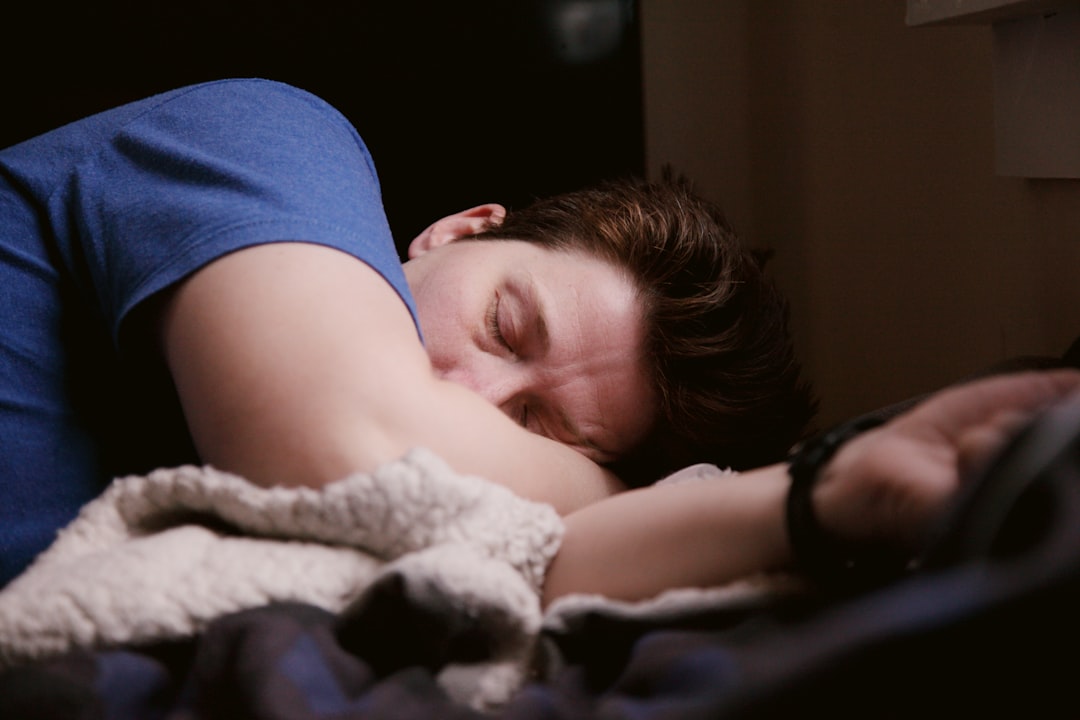
Nighttime Habits and When to Get Help
Start winding down 30-60 minutes before bed: dim the lights, turn off screens or switch to night mode, and do something low-stimulation like reading or stretching. Keep the bedroom cool, dark, and quiet — this is one of the most consistently recommended sleep hygiene practices from sleep researchers.
Avoid large meals, alcohol, and nicotine close to bedtime. Alcohol in particular can make you fall asleep faster but fragments sleep later in the night, which undercuts the deep, restorative stages you actually need.
Only go to bed when you’re sleepy, not just tired. If you’re lying awake for more than about 20 minutes, get up, do something calm and low-light, and return when you feel drowsy — staying in bed awake trains your brain to associate the bed with wakefulness instead of sleep.
If poor sleep persists for several weeks despite consistent habits, or if you have loud snoring, gasping during sleep, or excessive daytime sleepiness, talk to a doctor — these can signal insomnia or a sleep disorder like sleep apnea that needs targeted treatment. Cognitive behavioral therapy for insomnia (CBT-I) is considered the first-line treatment for chronic insomnia and is typically delivered over six to eight sessions with a trained provider or through a structured program; it works by resetting sleep-wake habits and challenging unhelpful thoughts about sleep, and research shows it can be as effective as sleep medication for many people.
Tips / Common Mistakes
Don’t try to ‘catch up’ on sleep with a much later wake time on weekends — it shifts your clock and makes Monday mornings harder, an effect often called social jet lag.
Don’t rely on caffeine to mask the problem indefinitely. It treats the symptom (low alertness) without fixing the cause (misaligned rhythm or insufficient sleep), and heavy late-day use directly worsens the next night.
Don’t change five habits at once and expect to tell what worked. Start with wake time and morning light — they have the biggest, fastest effect — then layer in caffeine timing and a wind-down routine.
Don’t use alcohol as a sleep aid. It feels sedating but reduces sleep quality later in the night.
Don’t underestimate consistency. A single good night won’t undo the cycle; it typically takes one to two weeks of steady habits before the rhythm noticeably stabilizes.
Explore more: Explore more wellness guides.
Sleep and Energy Cycle FAQs
How long does it take to fix a poor sleep and low energy cycle?
Many people notice improved energy and easier sleep onset within one to two weeks of consistently applying a stable wake time, morning light exposure, and earlier caffeine cutoff. Full circadian rhythm stabilization can take a few weeks longer.
Should I focus on bedtime or wake time first?
Wake time. It’s the stronger anchor for your circadian rhythm — a consistent wake time paired with morning light exposure helps set your body’s clock more reliably than trying to force an earlier bedtime.
Is it bad to nap if I’m exhausted from poor sleep?
A short nap (under 30 minutes) earlier in the day is generally fine and can help alertness, but long or late naps reduce the sleep pressure you need to fall asleep easily that night, which can perpetuate the cycle.
When should I see a doctor about poor sleep?
If sleep problems persist for several weeks despite consistent habits, or if you notice loud snoring, gasping, or significant daytime sleepiness, see a doctor. They can screen for insomnia or sleep apnea and may refer you for CBT-I, which is the first-line treatment for chronic insomnia.
Build Better Habits With ZenDuel
Track your habits and mood, stay accountable, and build a calmer routine — get the ZenDuel app. Get ZenDuel.
Photo by iam_os on Unsplash.
