Walk down any tea aisle and you’ll find a dozen blends promising deeper sleep, but the evidence behind them varies a lot more than the marketing suggests. Some herbs have real, if modest, clinical support. Others are popular mostly on reputation.
Table of Contents
This guide breaks down what controlled studies actually found for the most common sleep teas, how to brew and time them for the best chance of an effect, and where the evidence runs thin — so you can set realistic expectations before you buy a box.
Quick Answer
Chamomile and passionflower have the most consistent (though still modest) evidence for improving sleep quality and reducing nighttime awakenings. Lemon balm shows promise for anxiety-related sleeplessness. Valerian tea has weaker support than valerian supplements — most positive studies used concentrated capsules, not brewed tea. No herbal tea is a substitute for treating an underlying sleep disorder.
The Teas With the Best Evidence
Chamomile is the best-studied option. A 2024 systematic review pooling roughly ten clinical trials found chamomile improved sleep quality and reduced how often people woke during the night, without meaningfully increasing total sleep time or feeling markedly more rested the next day. Its active compound, apigenin, binds to the same GABA receptors targeted by anti-anxiety medications, which is the likely mechanism for its calming effect. Benefits show up most clearly in postpartum women and older adults, the two groups most studied.
Passionflower has performed well in head-to-head research, including a 2025 comparative trial where it eased insomnia symptoms alongside chamomile, and earlier placebo-controlled work linking a single cup to modestly better sleep quality and shorter time to fall asleep. Like chamomile, it appears to act on GABA-related pathways rather than sedating you outright.
Lemon balm is best supported for insomnia that’s tied to stress or anxiety rather than insomnia on its own. It works by slowing the breakdown of GABA in the brain, and small trials suggest it can ease both anxious mood and sleep disruption when taken consistently, though most of that research used concentrated extracts rather than a cup of tea.
Valerian root is the most recognizable ‘sleep herb,’ but its evidence is the shakiest of the group. The National Center for Complementary and Integrative Health notes results across studies are inconsistent, and the American Academy of Sleep Medicine’s guidelines actually recommend against valerian for chronic insomnia. A major caveat: nearly all valerian research uses standardized capsules or extracts far more concentrated than what steeps out of a tea bag, so tea drinkers likely get a fraction of the studied dose.
Lavender and magnolia bark show shorter-term benefits — lavender for reduced nighttime waking over the first few weeks (effects seem to fade with continued use), and magnolia bark’s compound honokiol for easing time to fall back asleep after waking. Both have less tea-specific research than chamomile or passionflower.
How to Brew and Time It for Best Effect
Use loose leaf or a fresh tea bag steeped 5–10 minutes in freshly boiled water — herbal sedative compounds extract more fully with a longer steep than a quick dunk. Drink it 30–45 minutes before bed rather than right at lights-out, since it takes time for the compounds to be absorbed and for the mild sedative effect to build. Stick to one cup; more isn’t shown to help and just means more fluid before bed, which can fragment sleep with bathroom trips. Give any single herb at least one to two weeks of consistent use before judging whether it’s helping — most trial protocols ran two to four weeks.
Tips / Common Mistakes
Don’t treat tea as a fix for a real sleep disorder. Chronic insomnia is clinically defined as difficulty sleeping at least three nights a week for three months or more, and if that describes you, or you suspect sleep apnea, herbal tea isn’t a substitute for evaluation by a clinician or cognitive behavioral therapy for insomnia, which has stronger evidence than any herb.
Check interactions before regular use. Valerian and chamomile can interact with sedatives, anticoagulants, and anti-anxiety medications, and chamomile in particular can cross-react with ragweed, daisy, or marigold allergies. If you’re pregnant or breastfeeding, evidence on sleep herbs is limited — talk to your provider before making any of these a nightly habit.
Avoid caffeinated ‘sleep’ blends. Some commercial sleepytime-style blends mix in green or black tea for flavor; check the label if caffeine sensitivity affects your sleep.
Don’t oversteep and add sugar as a crutch. A too-strong or too-bitter cup often gets abandoned after a few nights — a splash of honey and a shorter steep time can make an evidence-backed tea like chamomile or passionflower something you’ll actually stick with long enough to see an effect.
Explore more: More wellness guides.
Herbal Teas for Sleep FAQs
Which herbal tea has the strongest scientific evidence for sleep?
Chamomile and passionflower currently have the most consistent clinical trial support, mainly for reducing nighttime awakenings and improving perceived sleep quality rather than dramatically extending total sleep time.
Does valerian tea actually work for insomnia?
The evidence is mixed. Most positive valerian research used concentrated capsules or extracts, not brewed tea, and health authorities like NCCIH describe the overall evidence as inconsistent.
How long before bed should I drink sleep tea?
Aim for 30–45 minutes before you plan to sleep, giving the compounds time to be absorbed, and keep it to one cup to avoid nighttime bathroom trips.
Is it safe to drink herbal sleep tea every night?
For most healthy adults, occasional or nightly chamomile or passionflower tea is considered low-risk, but check with a doctor if you take sedatives, blood thinners, or anti-anxiety medication, or if you’re pregnant or breastfeeding.
Build Better Habits With ZenDuel
Track your habits and mood, stay accountable, and build a calmer routine — get the ZenDuel app. Get ZenDuel.
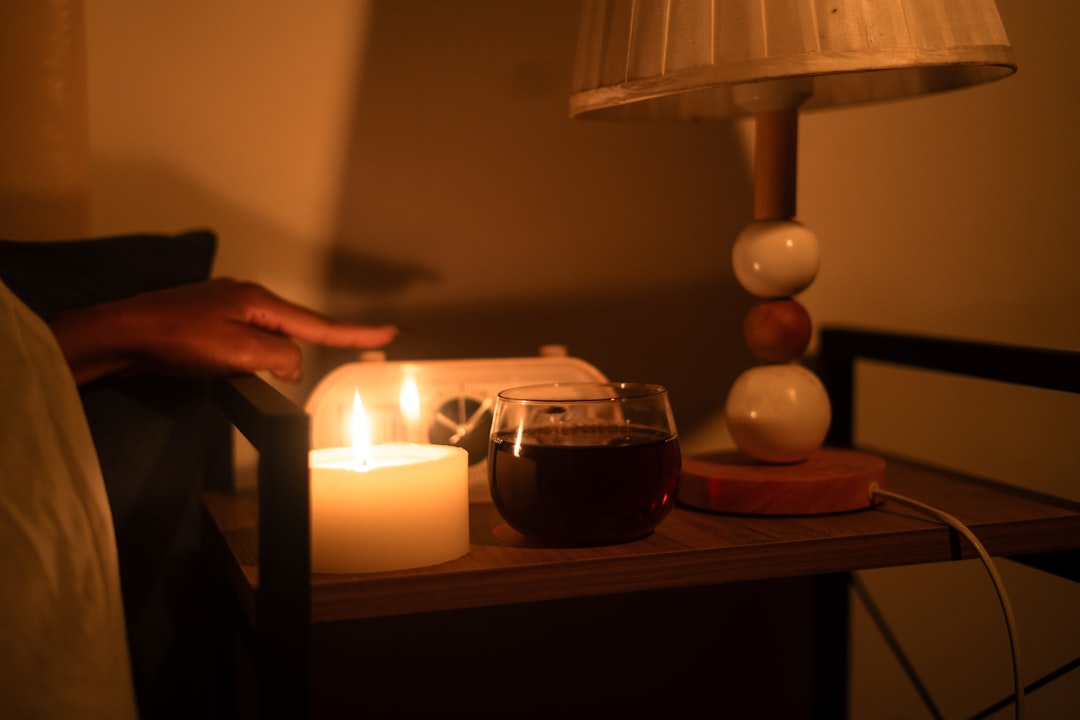
Photo by Christian Agbede on Unsplash.
