You crushed a hard workout yesterday and your legs are reminding you of it this morning. Should you push through another session, collapse on the couch all day, or is there a smarter middle ground? That middle ground has a name: an active recovery day — and done right, it can actually speed up how fast your body bounces back.
Table of Contents
Active recovery means moving at a deliberately low intensity so blood keeps circulating, muscles get the oxygen they need to repair, and stiffness has less room to settle in. This guide covers exactly what to do, how hard to go, and the common mistakes that turn a recovery day into a setback.

Quick Answer
On an active recovery day, choose low-intensity movement — walking, light cycling, swimming, gentle yoga, or foam rolling — at roughly 30–50% of your maximum effort. You should be able to hold a full conversation the entire time. The goal is to stimulate blood flow and ease soreness without adding new stress to your body.
The Best Activities for Active Recovery Days
Walking is the most accessible option and one of the most effective. A 20–40 minute walk at a comfortable, unhurried pace gets blood moving through tired muscles without loading joints or the central nervous system. It also has a genuine mood-lifting effect, which matters when motivation is low.
Light cycling — on a stationary bike or on flat terrain outdoors — is another top pick because it’s low-impact and easy to hold at the right intensity. Spin at comfortable resistance and focus on smooth, even strokes rather than speed or distance.
Swimming and water-based movement are particularly useful because water provides gentle resistance while reducing joint stress. Many athletes find that easy laps, or even just moving in a pool, leaves them noticeably less stiff than lying still.
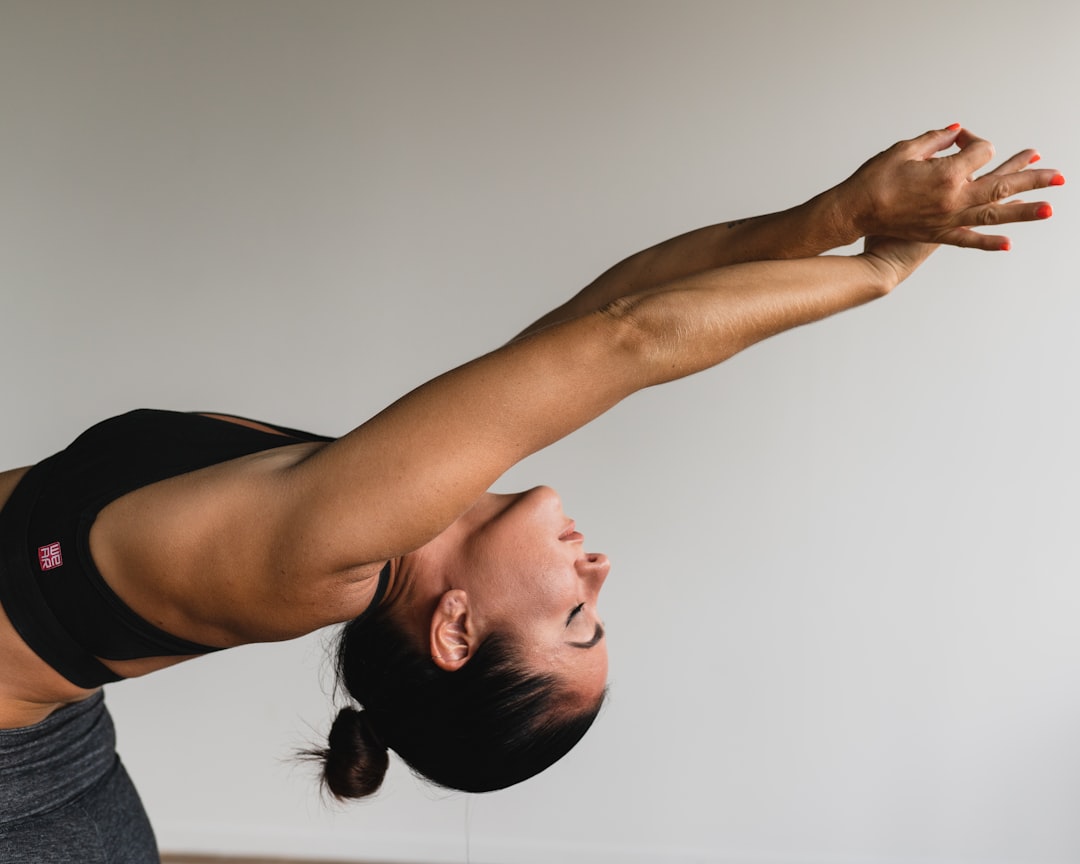
Yoga and Pilates at a gentle pace address two goals at once: they keep you moving while improving flexibility and releasing tension in connective tissue. Seek out ‘restorative yoga’ or ‘mobility flow’ classes designed specifically for recovery rather than intensity.
Foam rolling and stretching belong on almost every active recovery day. Spending 10–15 minutes working through tight spots — quads, hamstrings, hip flexors, thoracic spine — helps release myofascial tension and reduces that heavy, bound-up feeling that follows hard training.
How Hard Should You Actually Go?
Intensity is the detail that separates genuinely useful recovery from a session that just adds to your fatigue. The National Academy of Sports Medicine recommends staying in the range of 30–60% of your maximum heart rate during active recovery. A practical check: if you can speak in full, complete sentences without pausing for breath, you’re in the right zone. If you’re breathing hard or can only get a few words out between breaths, dial it back.
The session should leave you feeling invigorated — lighter and less stiff than when you started. If you finish feeling tired or spent, the intensity was too high and the session worked against its purpose. That outcome is your clearest feedback signal.
Most active recovery sessions run 20 to 45 minutes. Longer is fine as long as the effort stays genuinely easy. There is no benefit to grinding through a long session at the wrong intensity — shorter and easier beats longer and harder on a recovery day.
What Else Moves the Needle on Recovery Days
Sleep is the single most powerful recovery tool available, and it costs nothing. Most adults recover best with seven to nine hours per night, and active recovery days are a good opportunity to prioritize getting to bed earlier. Deep sleep is when the body releases growth hormone, which drives tissue repair — shortchanging sleep undermines everything else you do on a recovery day.
Nutrition doesn’t need to look dramatically different on recovery days, but it still matters. Adequate protein throughout the day gives muscles the raw material to rebuild. Staying well hydrated supports nutrient delivery and helps the body clear metabolic waste from hard training. You don’t need specialty supplements — whole foods, enough water, and consistent meal timing cover the essentials.
Breathwork, a short mindfulness practice, or even time outdoors in natural light can help lower stress hormones that actively interfere with physical recovery. Mental recovery matters alongside the physical kind, especially during high-training-load weeks.
Common Mistakes That Make Recovery Days Worse
Going too hard is the most frequent error. Active recovery is not a light workout — it has a specific, low-intensity purpose. If you’re checking your pace against personal bests, pushing through discomfort, or finishing with a heart rate that takes a long time to come down, you moved past the recovery zone and added more stress instead of reducing it.
Skipping movement entirely when you’re sore can also backfire. Complete rest has its place, but for general post-workout muscle soreness, gentle movement usually outperforms lying still because it keeps blood circulating through the tissue that needs to heal. The difference between productive rest and stagnation is often a 30-minute walk.
That said, there are clear situations where full rest is the right call: injury, illness, genuine accumulated exhaustion, or serious sleep deprivation all signal that your body needs passive recovery more than movement. Active recovery is a useful tool, not a rigid rule — pay attention to how you actually feel and respond accordingly.
Finally, neglecting sleep and nutrition while doing all the right movement work leaves most of the recovery gains on the table. The gentle movement supports the process; sleep and food complete it. Treat all three as equally non-negotiable on a recovery day.
Explore more: Explore more wellness guides.
Active recovery days FAQs
How do I know whether to take an active recovery day or a full rest day?
If you’re mildly sore but have reasonable energy, gentle movement is usually the better choice. If you’re genuinely exhausted, injured, or fighting off illness, choose full rest. The clearest signal is how you feel during light activity — if even an easy walk makes you feel worse rather than better, your body is asking for real rest, not movement.
Can I do active recovery every day?
Most people benefit from one to two dedicated active recovery days per week, placed after hard training sessions. You can also use active recovery as a cool-down after workouts or as easy movement between high-intensity intervals. Low-intensity daily movement like walking is generally healthy for most people, but doing formal active recovery sessions daily without harder training days mixed in doesn’t align with progressive fitness goals.
Does foam rolling actually help on recovery days?
Foam rolling is a widely used myofascial release technique recommended by sports medicine professionals and certified trainers to address muscle tightness and improve range of motion. Most people notice reduced stiffness and better mobility with consistent use, particularly when combined with light movement and stretching. It works best as part of a broader recovery routine rather than a standalone solution.
Build Better Habits With ZenDuel
Track your habits and mood, stay accountable, and build a calmer routine — get the ZenDuel app. Get ZenDuel.
Photo by kike vega on Unsplash.