Phone apps are fine for mood tracking, but a lot of people find a paper journal sticks better: no screen at bedtime, no notification fatigue, and a slower, more honest check-in with yourself. The problem is that “mood journal” is a crowded, inconsistent category — some are glorified gratitude logs, others are clinical CBT workbooks, and plenty are low-effort print-on-demand notebooks with no real structure.
Table of Contents
Below are three mood tracker journals that are easy to actually buy, come from identifiable publishers or brands (not anonymous Amazon listings), and differ enough in approach that one of them should fit how you actually want to track your mood.
Quick Answer
If you want a structured, therapy-style approach with daily CBT prompts, get the Clever Fox Mental Health & Anxiety Journal. If you want something simple, affordable, and undated, get My Mood Tracker by Summersdale. If you want a longer, more clinical daily/monthly logging system, get Mental Health Tracker by Zeitgeist Wellness (Penguin Random House).
Three Mood Tracker Journals Worth Buying
Clever Fox Mental Health & Anxiety Journal — This is the most “therapy toolkit” option of the three. It’s a hardcover, A5 (5.8″ x 8.3″, with an A4 size also available) journal built around a CBT framework: you log the event that triggered a feeling, identify the emotion from a built-in list, and work through reframing the thought into something more balanced. It also includes grounding-exercise prompts, a sticker sheet, and a short user guide to get you started. It comes in several colors (rose gold, purple, turquoise, periwinkle, forest green, lavender) and runs about $19.99 for the A5 size. This is the best pick if you want mood tracking tied directly to a coping-skills framework rather than just a log.
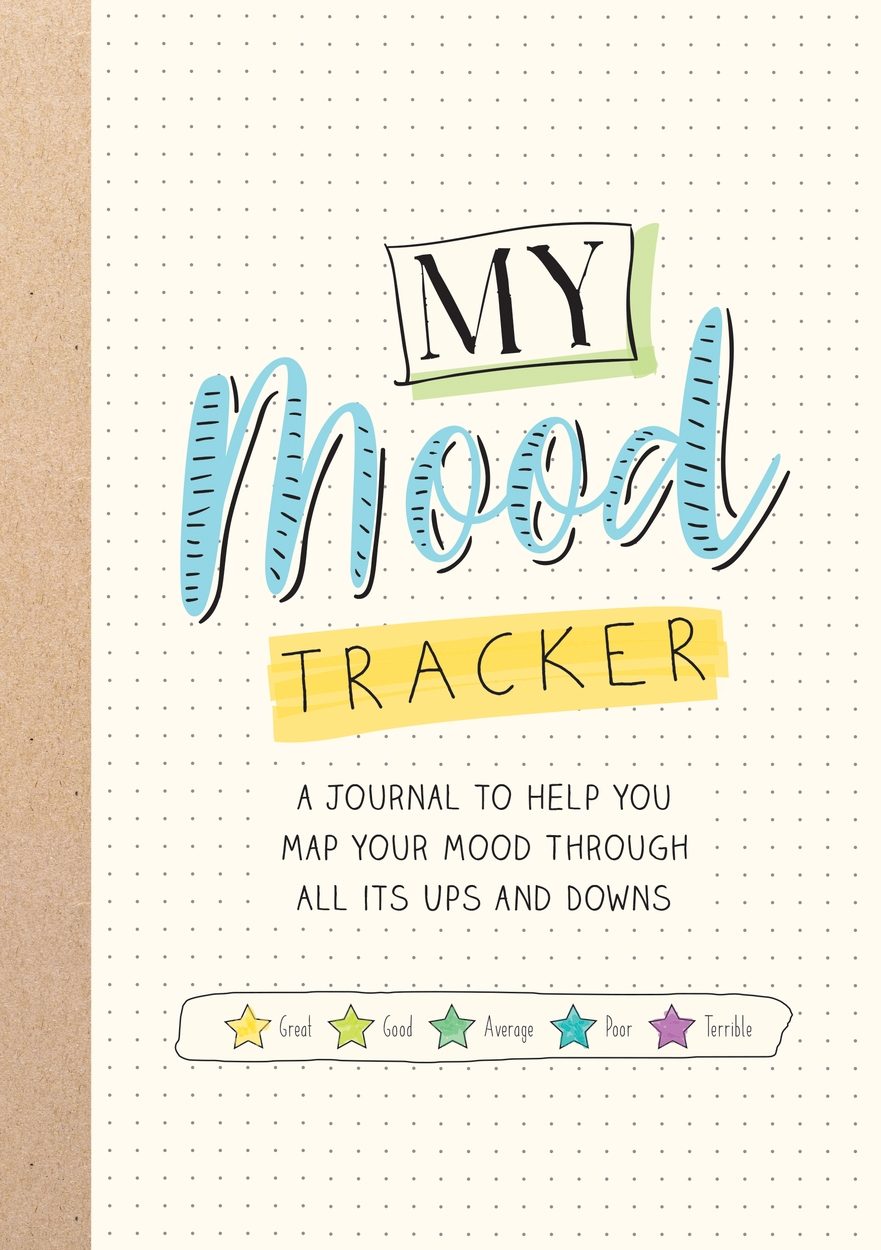
My Mood Tracker by Summersdale Publishers — A much simpler, lower-commitment option. It’s a 160-page undated paperback with a monthly mood tracker, a sleep chart, and a diet tracker, plus daily check-in pages described as a quick way to “untangle your feelings and keep tabs on your state of mind.” Some pages use a coloring-in format so the tracker visually fills in as you log. At under $15, it’s the cheapest and least intimidating way to start a mood-tracking habit, and because it’s undated you can begin any day of the year.
Mental Health Tracker by Zeitgeist Wellness (Penguin Random House) — The most comprehensive of the three. It’s a 192-page, 6″ x 9″ paperback built around six months of daily and monthly check-ins. Each day you log your mood, note any anxiety symptoms or mental health highs and lows, and check off self-care habits like sleep quality, relaxation, and nutrition. Monthly review pages are designed to help you spot patterns and triggers over time, and there’s space to jot notes for therapy appointments. At roughly $12.99, it’s a good middle ground if you want more structure than a basic tracker but don’t need a full CBT workbook.
How to Pick the Right One
Think about how much structure you actually want. If daily prompts feel like homework, the simpler Summersdale tracker will get used; if you want prompts to lean on because you don’t know what to write, the Clever Fox CBT format or the Zeitgeist Wellness tracker will serve you better.
Check whether it’s dated or undated. My Mood Tracker is undated, so you can start anytime and it never “expires.” The Zeitgeist Wellness tracker spans six months of entries, so it works best if you’re ready to commit to a longer run. None of these three lock you into a specific calendar year, which makes them easier to start mid-year.
Consider format over features. A hardcover with a pen loop and elastic closure (Clever Fox) survives a bag or nightstand better than a plain paperback, but it also costs more. If budget is the deciding factor, the Summersdale and Zeitgeist Wellness options are both well under $20.
Tips for Actually Using a Mood Tracker
Log at the same time each day — right before bed or right after waking up — so it becomes a habit instead of a chore you forget. A tracker only becomes useful once you have a few weeks of entries to look back on, so consistency matters more than detail in any single entry.
Note context, not just the mood. A single word like “anxious” is less useful later than “anxious — bad night’s sleep, big meeting.” Any of the three journals above give you a little room for this; use it even if the printed prompt doesn’t explicitly ask.
Revisit monthly, not daily. The real value of a paper tracker shows up when you flip back a few weeks and start seeing patterns — a bad week every month, a dip after poor sleep, a lift after exercise. Don’t skip the monthly review pages if your journal has them.
A mood journal is a self-awareness tool, not a diagnostic one. If you’re logging consistently low moods or ongoing symptoms, bring the journal to a conversation with a doctor or therapist rather than trying to self-treat from the patterns alone.
Explore more: more mental health picks.
Mood tracker journals FAQs
Is a paper mood tracker better than a mood tracking app?
Neither is objectively better — it depends on your habits. Paper removes the screen-before-bed problem and feels more private, while apps can send reminders and chart data automatically. Many people use both: an app for daily taps and a paper journal for the reflective writing.
Do mood tracker journals work for anxiety or depression specifically?
They can help you notice patterns and triggers, which is useful self-awareness, but they aren’t a treatment on their own. The Clever Fox Mental Health & Anxiety Journal is built around CBT techniques, which makes it a closer fit for anxiety specifically, but any of these can complement — not replace — professional support.
How long does a mood tracker journal usually last?
It depends on the book: the Zeitgeist Wellness tracker is built for about six months of daily entries, while undated trackers like My Mood Tracker can stretch longer if you don’t fill a page every single day.
Are these journals dated to a specific year?
No — all three options covered here are undated or span a fixed number of months rather than a calendar year, so you can start on any date without wasting pages.
Skip the Spreadsheet — Track It in ZenDuel
Habit streaks, mood tracking, and accountability duels in one free app — no template maintenance required. Get ZenDuel.
Want a calmer inbox? Subscribe to the free newsletter.
Images: Clever Fox®.