A mood tracker is one of the simplest tools you can use to understand your own emotional patterns, and a printable PDF version means you don’t need an app, an account, or a subscription to start. You just print it, put it somewhere visible, and fill it in.
Table of Contents
This guide walks through what a good weekly or monthly mood tracker template should include, where to find free clinical-grade versions, how to actually fill one in so it’s useful, and the mistakes that make people give up on tracking after a few days.
Quick Answer
A free printable mood tracker PDF is a downloadable chart you fill in by hand to log how you feel over time. Weekly templates are best for catching short-term patterns tied to your daily routine (sleep, work stress, social plans), while monthly calendar-style trackers make it easier to spot longer trends, like a mood dip that shows up around the same time each month. Pick a simple template with a clear rating scale, print a few copies, and keep it somewhere you’ll actually see every day, like next to your bed or on the fridge.
What to Look for in a Mood Tracker Template
Not all templates are equally useful. Look for one with a simple, consistent rating system: a 1-5 or 1-10 scale, a set of mood words (great, good, okay, low, rough), or a color-coding key you fill in with colored pencils. Overly complex scales tend to get abandoned after a week.
A good template also leaves room for a short note next to each entry, a few words on sleep, what happened that day, or a trigger you noticed. The mood rating alone tells you what you felt; the note tells you why, which is what actually helps you spot patterns.
For a clinically-oriented option, Therapist Aid publishes free downloadable PDFs, including a Weekly Mood Chart and a Daily Mood Chart, that are built the way therapists use mood logs in practice: rate your mood at set intervals and jot down the context. Dr. David Burns’ free Daily Mood Log (from his Feeling Good CBT method) is another well-known option if you want to pair mood tracking with identifying the thoughts behind a low mood.
Weekly vs. Monthly Trackers: Which One to Use
A weekly tracker usually has a row or column per day, with space to log mood two or three times a day (morning, afternoon, evening). This format is useful if you’re trying to connect mood swings to daily habits, like poor sleep, skipped meals, or a specific recurring stressor at work.
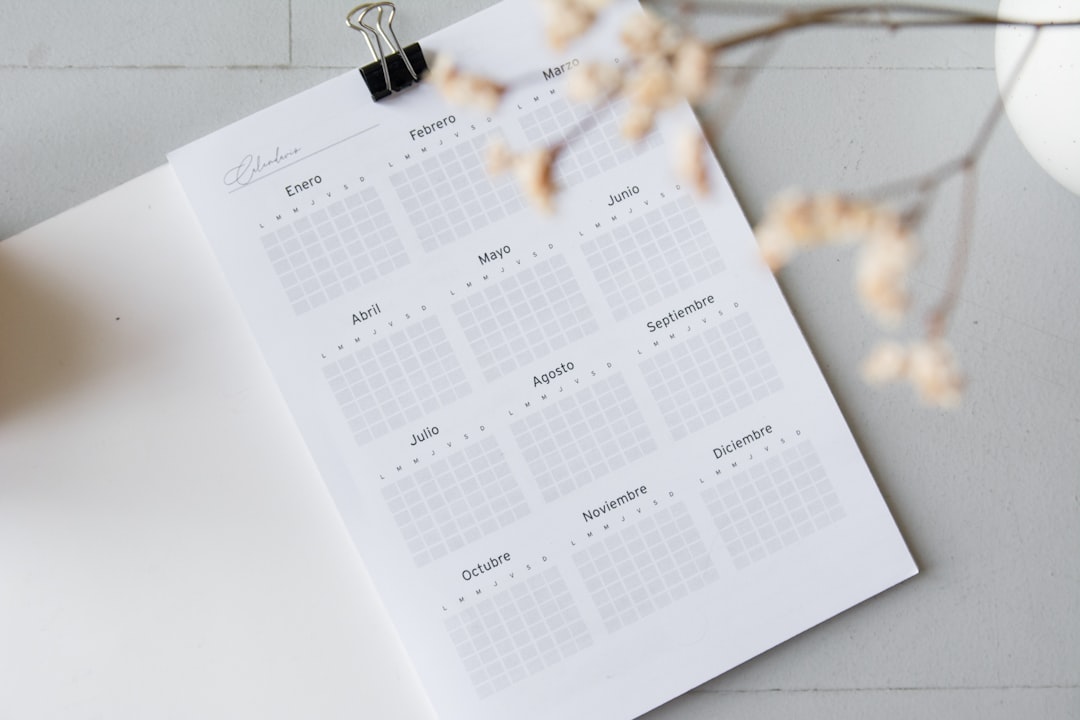
A monthly tracker is typically a calendar grid, one box per day, where you fill in a single color or number to represent your overall mood that day. Because it fits an entire month on one page, it’s the better format for noticing bigger-picture trends, like whether your mood consistently dips in the days before a period, gets worse in winter, or improves after starting a new routine.
Many people use both: a weekly sheet for the day-to-day detail and a monthly calendar as a rolled-up summary they can bring to a therapy appointment or just glance at for a quick self-check.
Tips and Common Mistakes
Fill it in at the same time each day. Tracking works best as a habit attached to something you already do, like right after brushing your teeth or before bed, rather than something you try to remember at random.
Rate honestly, not aspirationally. It’s tempting to round a ‘meh’ day up to ‘good,’ but the value of a tracker comes from accurate data, not a flattering-looking chart.
Don’t skip a day and then leave it blank forever. If you miss a day, just pick the tracker back up the next day rather than abandoning the whole sheet. Gaps are normal.
Review it periodically instead of just filling boxes. Set a weekly or monthly reminder to actually look back over the sheet and ask what pattern stands out.
Treat a mood tracker as one input, not a diagnosis. It’s genuinely useful for spotting patterns and giving a therapist concrete detail to work with, but research on mood monitoring shows mixed results on its own as a treatment, some people find it clarifying, others find constant self-rating adds pressure. If low mood is persistent, intense, or interfering with daily life, use the tracker as a conversation starter with a mental health professional rather than a substitute for one.
Explore more: more mental health tools and comparisons.
Free printable mood tracker PDF FAQs
Is a printable mood tracker as good as a mood tracking app?
Both work; it comes down to preference. A printed PDF has no notifications, screens, or logins, which some people find easier to stick with, while apps can graph trends automatically. If you like writing things by hand and want zero setup, print a PDF.
What scale should I use to rate my mood?
A simple 1-5 scale or five mood words (great, good, okay, low, rough) is easiest to keep up daily. You can always add detail with a short note; the scale itself should stay simple so you don’t overthink each entry.
How long before I notice patterns?
Give it at least two to four weeks of consistent entries before drawing conclusions. A single bad day doesn’t mean much, but a recurring dip on the same day of the week or same point in a cycle usually becomes visible within a month.
Can I bring my mood tracker to therapy?
Yes, many therapists welcome it. A filled-in weekly or monthly chart gives concrete examples to talk through instead of relying on memory, and templates like Therapist Aid’s Weekly Mood Chart are designed with that use in mind.
Does mood tracking actually help mental health?
Evidence is mixed. Some studies report benefits like better self-awareness, more confidence managing mood, and useful information for treatment, while others find no consistent effect on symptoms themselves. It’s best used as a self-awareness and communication tool, not a treatment on its own.
Skip the Spreadsheet — Track It in ZenDuel
Habit streaks, mood tracking, and accountability duels in one free app — no template maintenance required. Get ZenDuel.
Want a calmer inbox? Subscribe to the free newsletter.
Photo by Behnam Norouzi on Unsplash.

1 thought on “Free Printable Mood Tracker PDF: Weekly & Monthly Templates”
Comments are closed.